Distinct neighborhoods with strong local identity
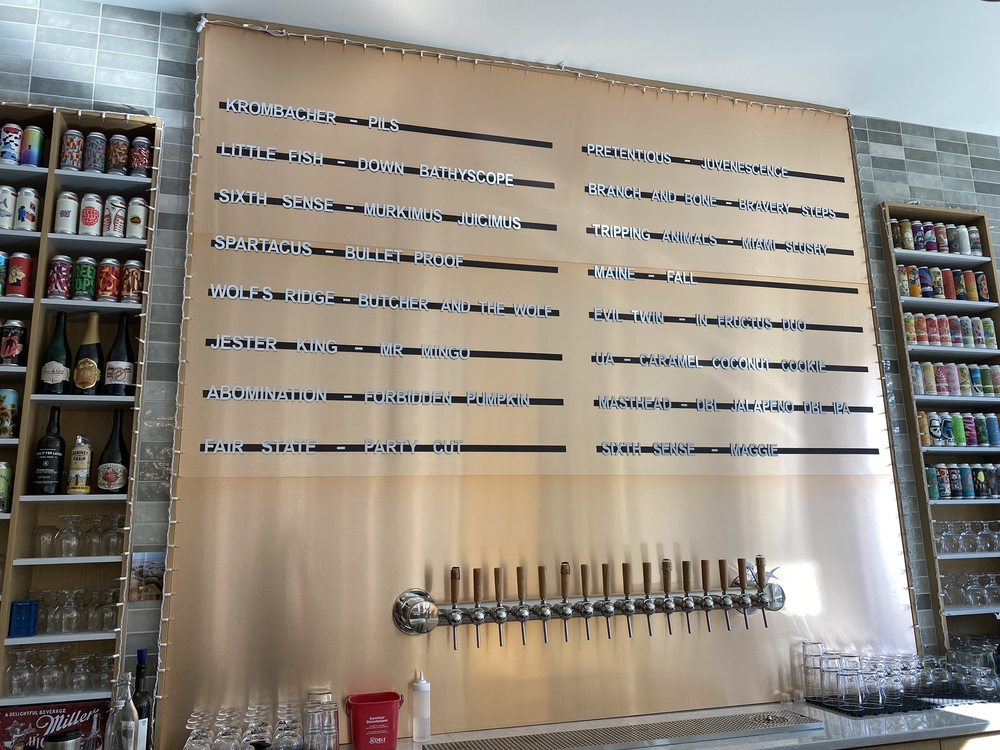
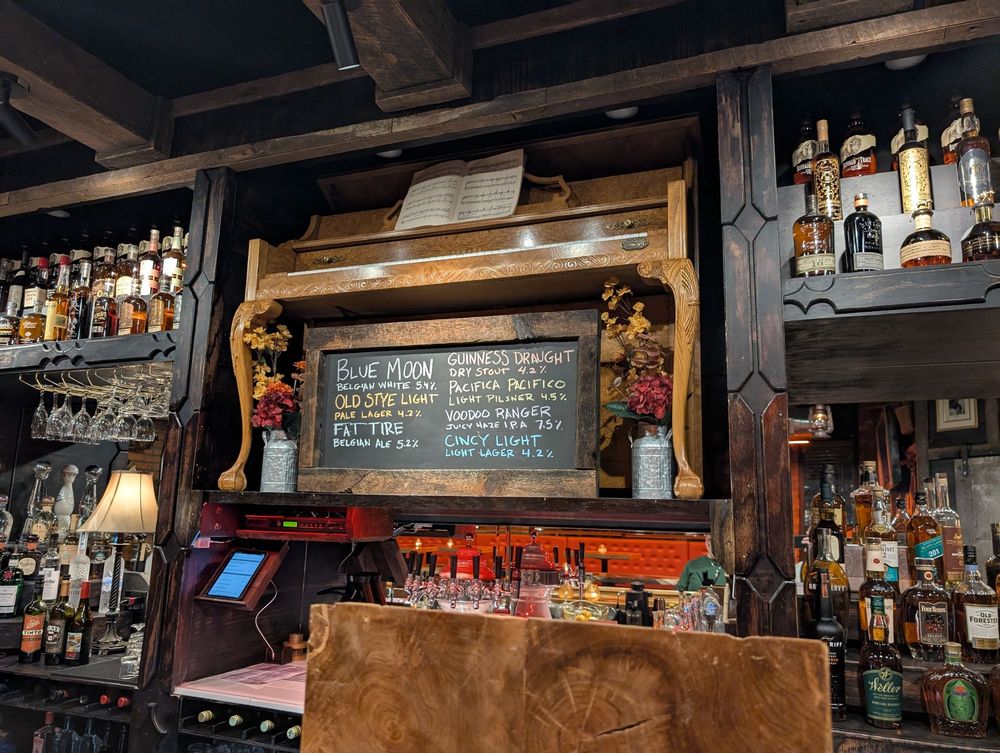
Active food scene with long-standing favorites and steady new openings
Strong arts and sports culture with year-round events
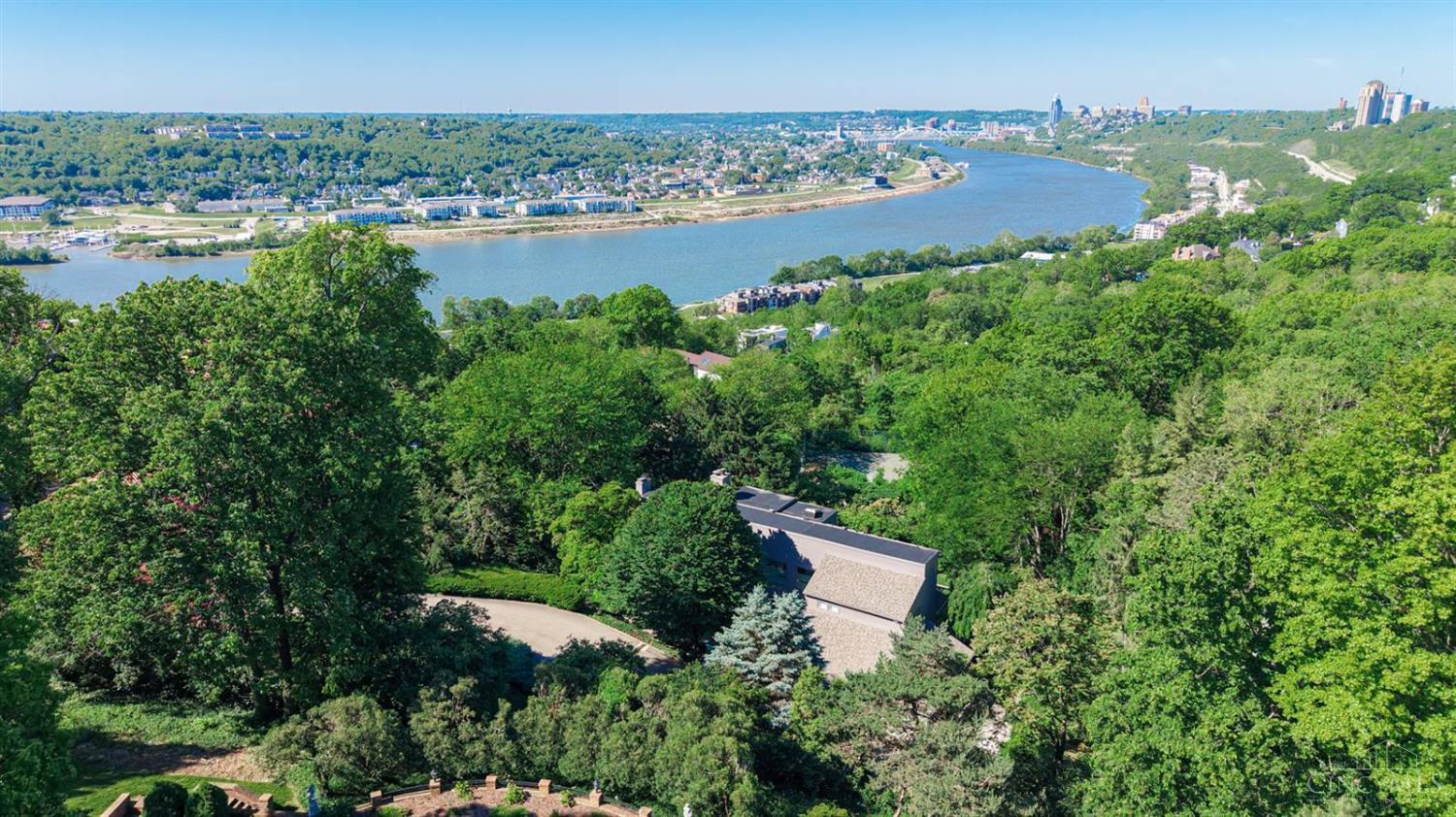
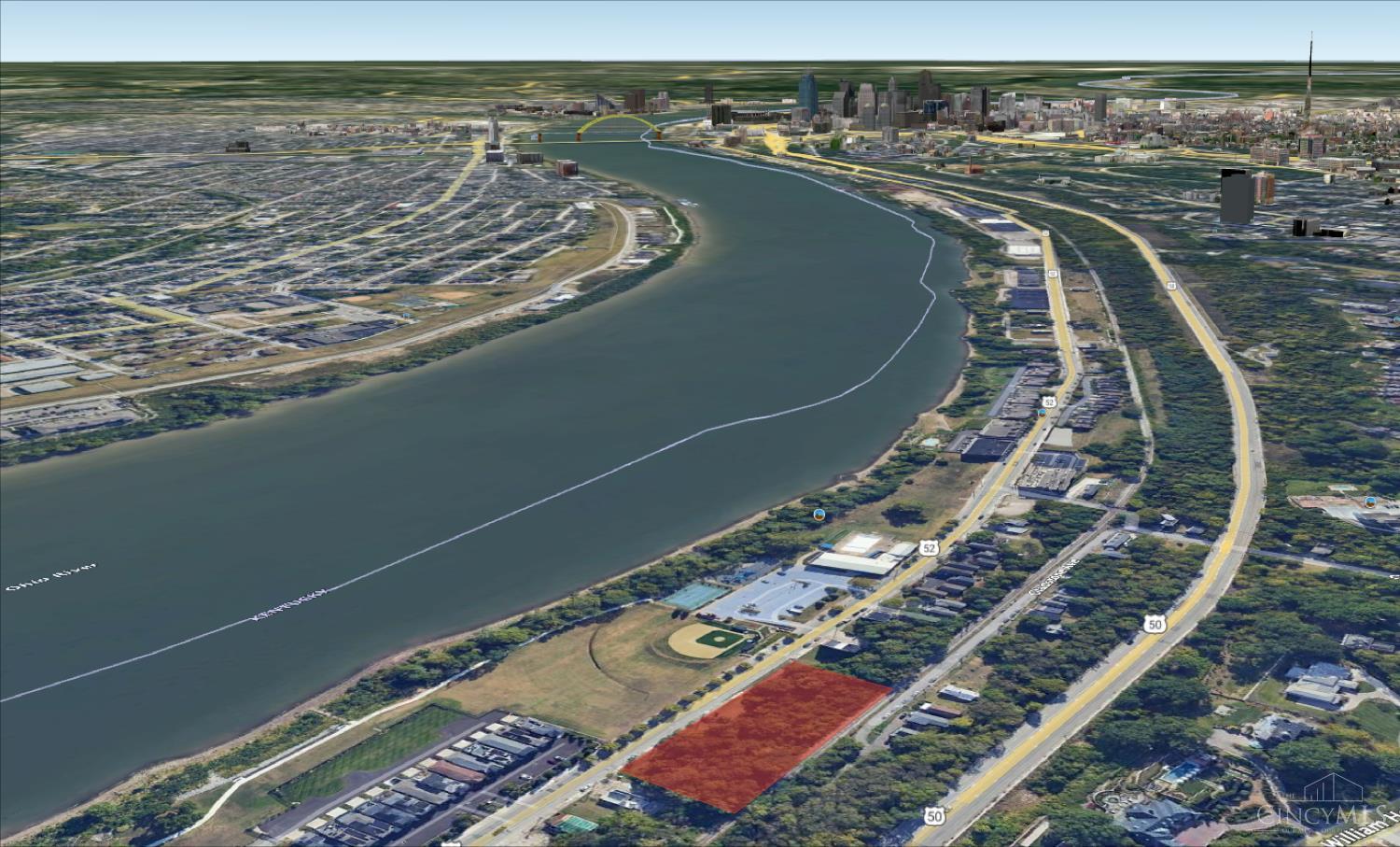
Reliable park system and access to the Ohio River
Manageable cost of living compared to similar metros
Solid commuter access through I-71, I-75, and I-74
Cincinnati is a midwestern city with a clear sense of history and a practical approach to daily living. Residents often describe it as an easy place to settle in because each neighborhood has its own rhythm while still feeling connected to the larger city. The urban core has seen steady investment, which has helped bring new restaurants, entertainment options, and housing choices while keeping the city’s character intact. People appreciate that Cincinnati offers cultural depth without the complications of a much larger metro area.
Sports play a major part in local identity. Reds and Bengals games bring regular energy to downtown, and FC Cincinnati has added a strong soccer presence in the West End. The arts are equally important. Music Hall, the Cincinnati Art Museum, and the Aronoff Center anchor a dependable cultural calendar. The park system is extensive and includes riverfront paths, hillside parks with city views, and large regional spaces for biking, running, and weekend recreation.
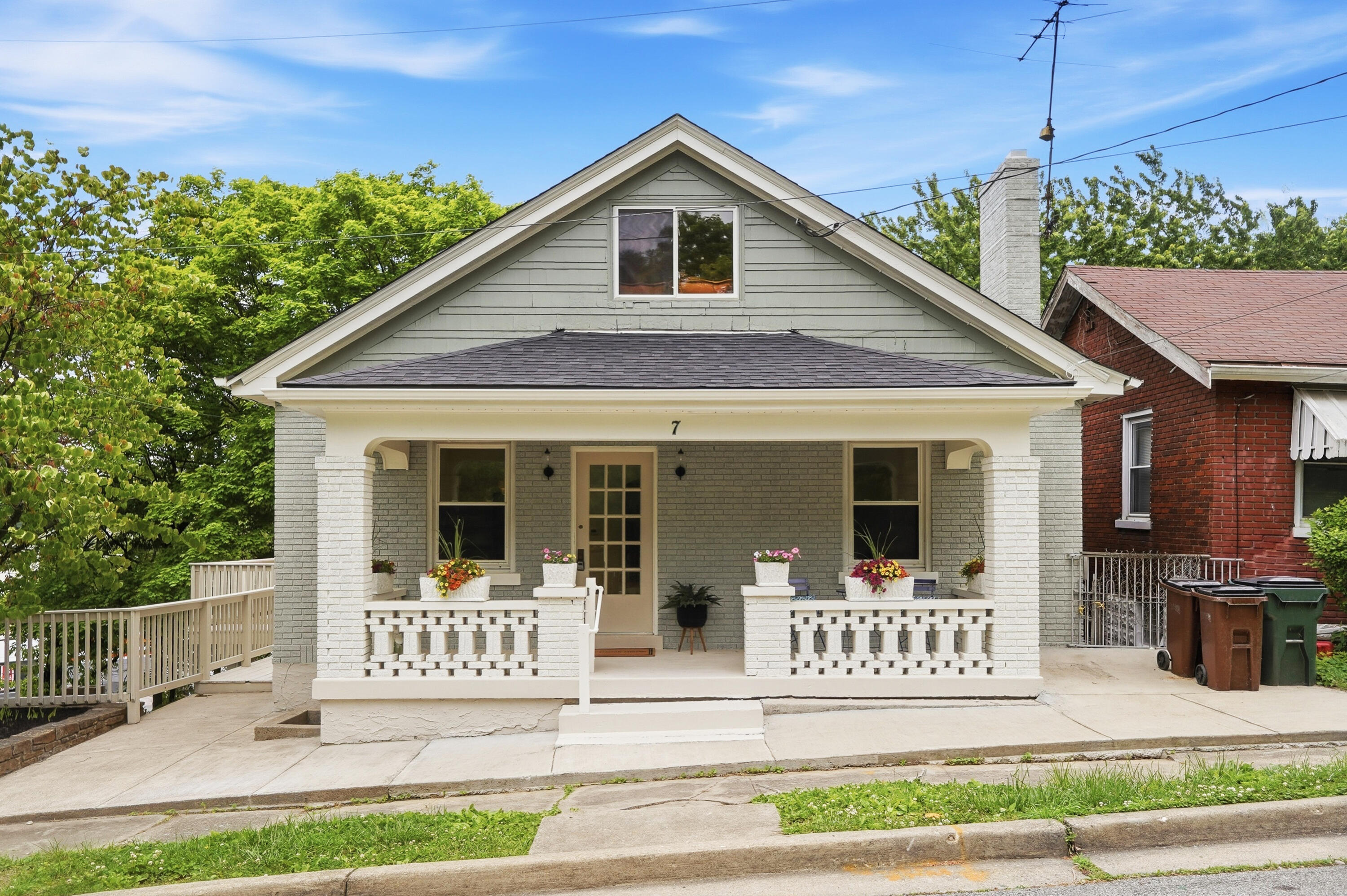
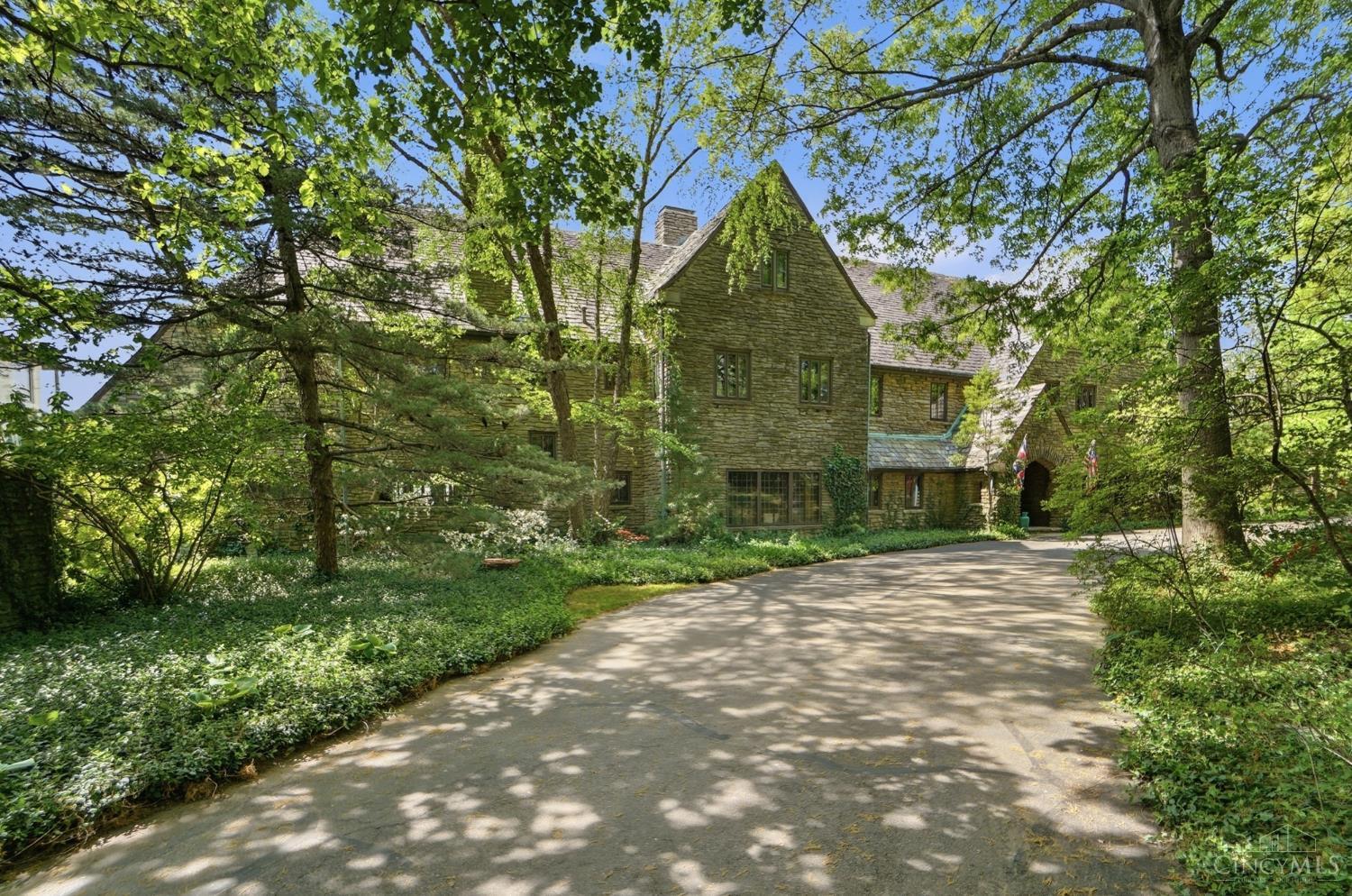
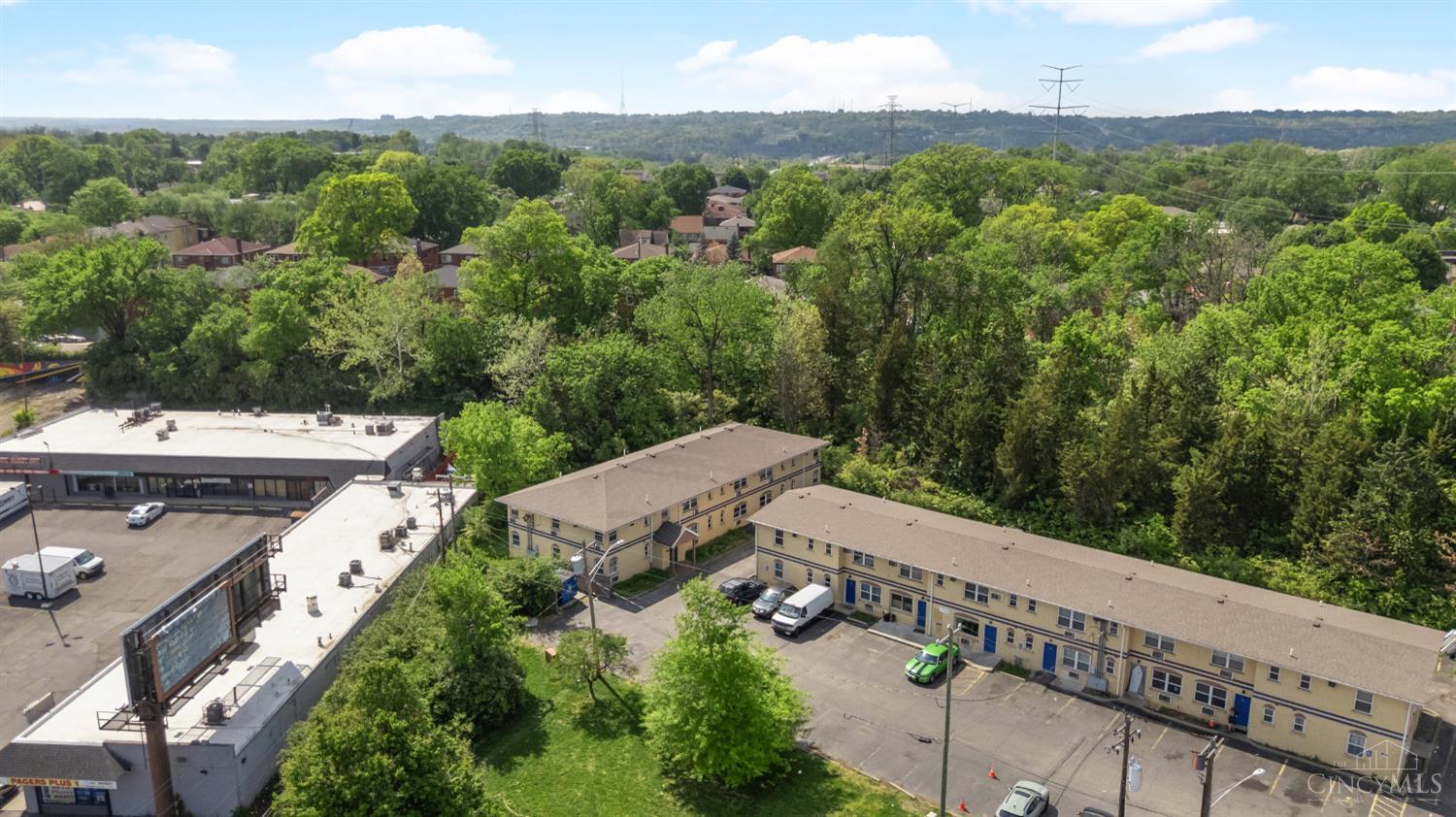
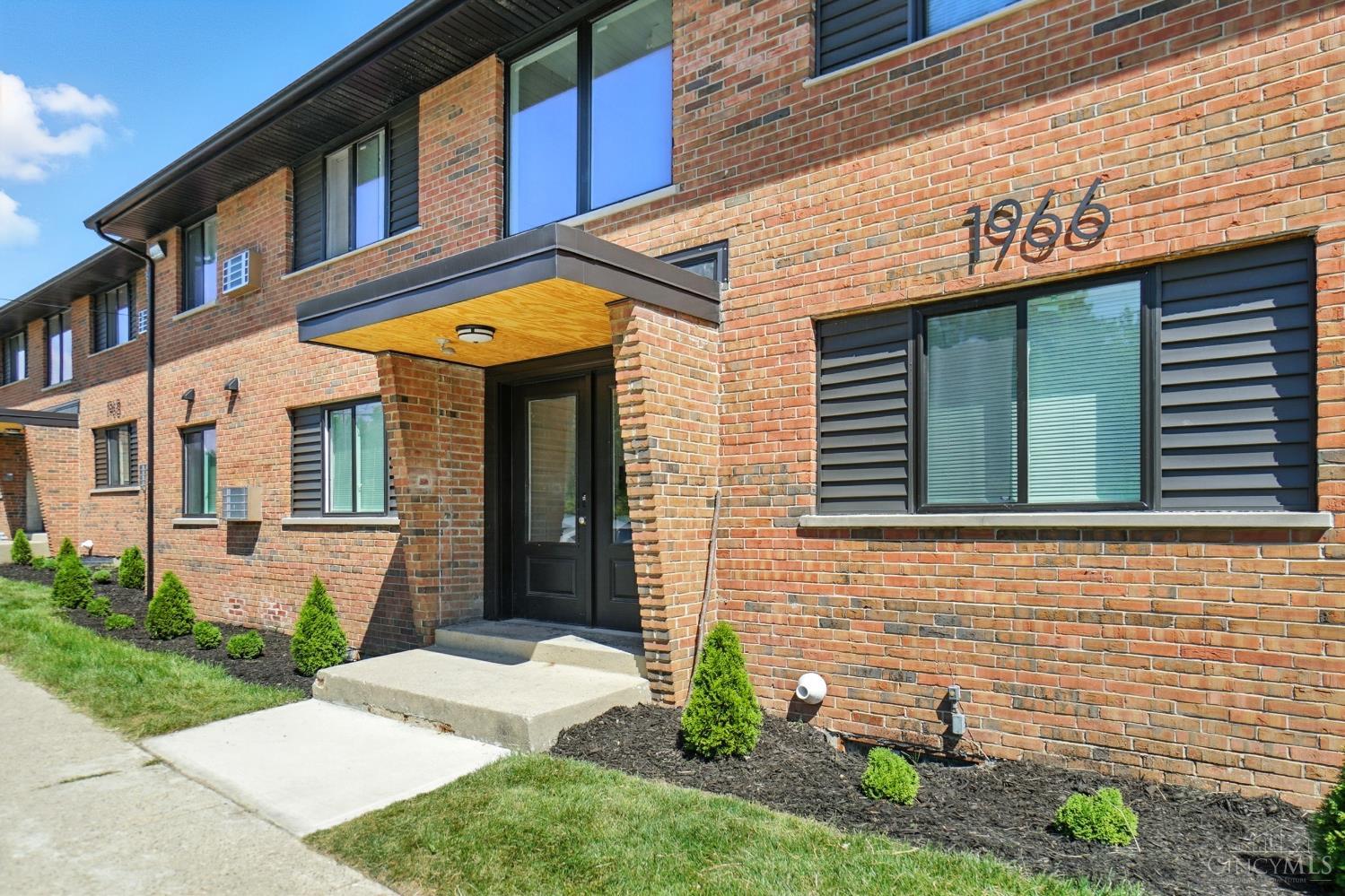
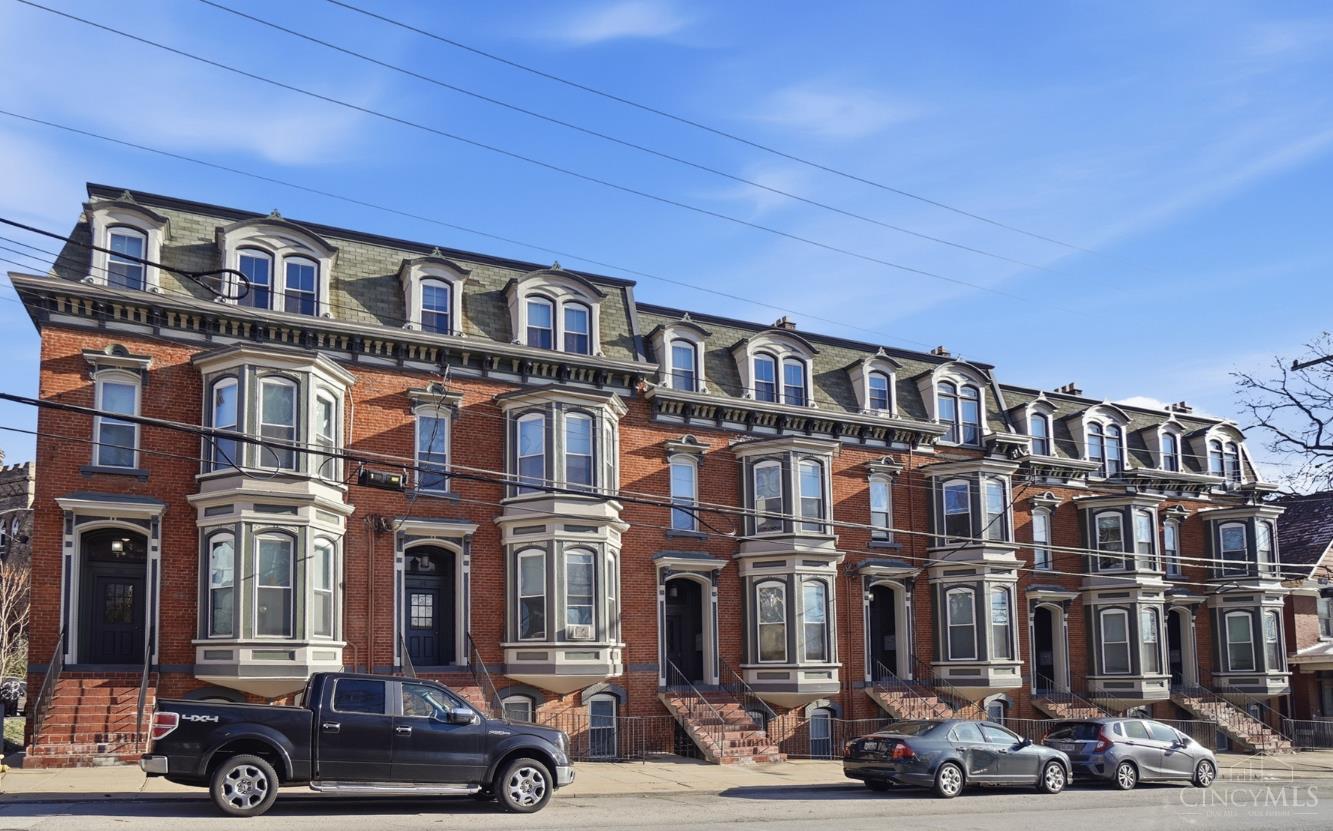
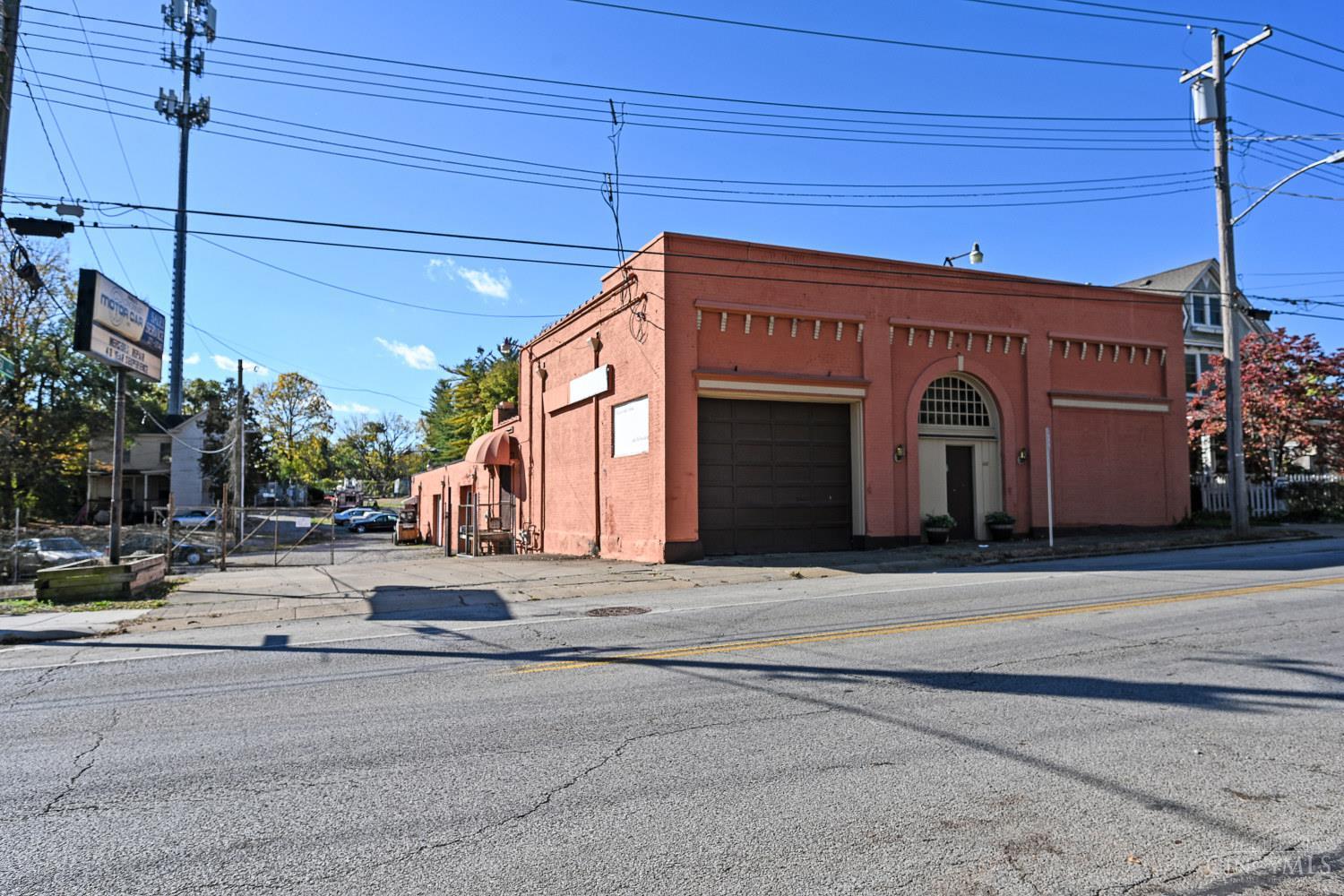
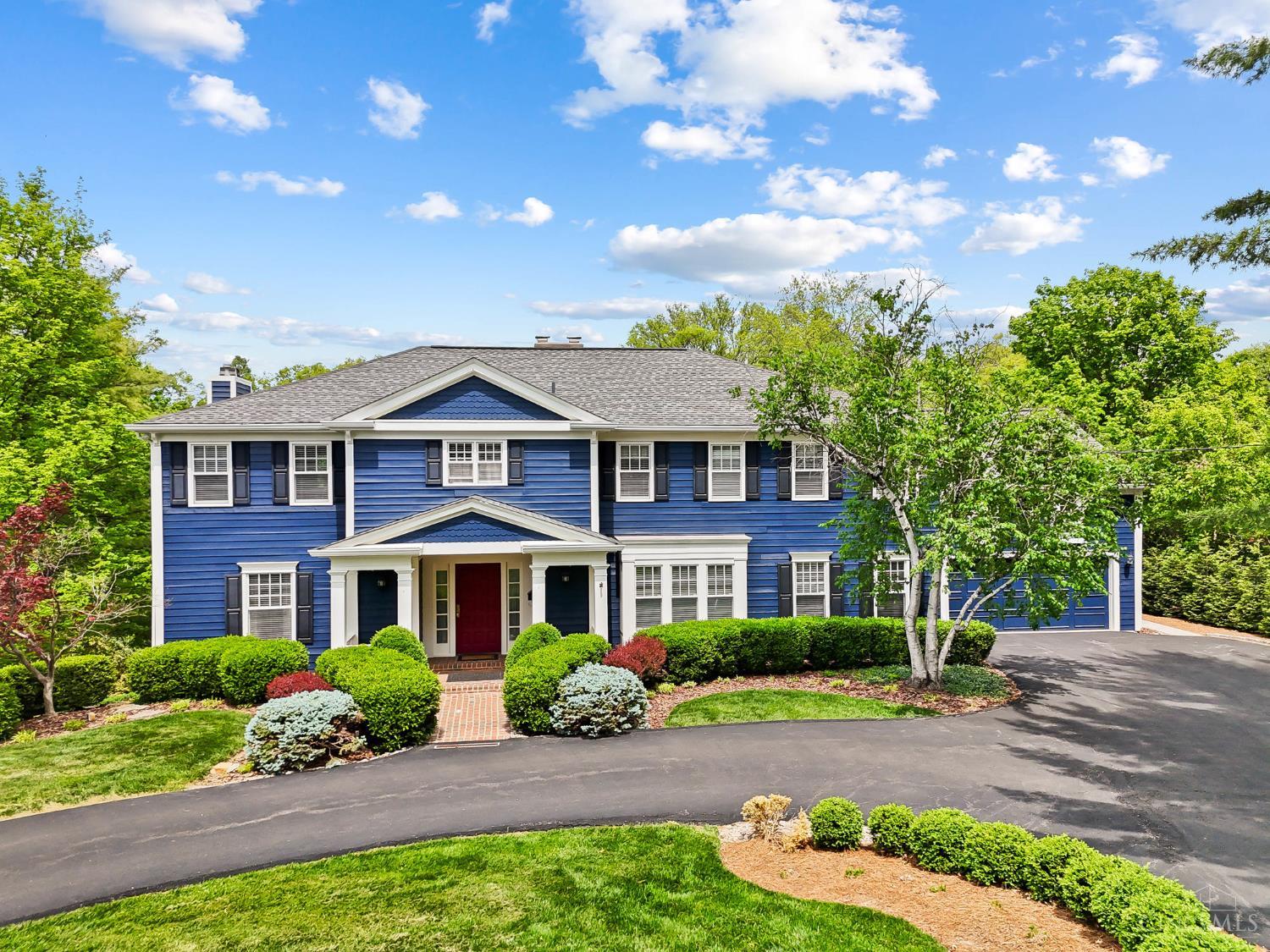
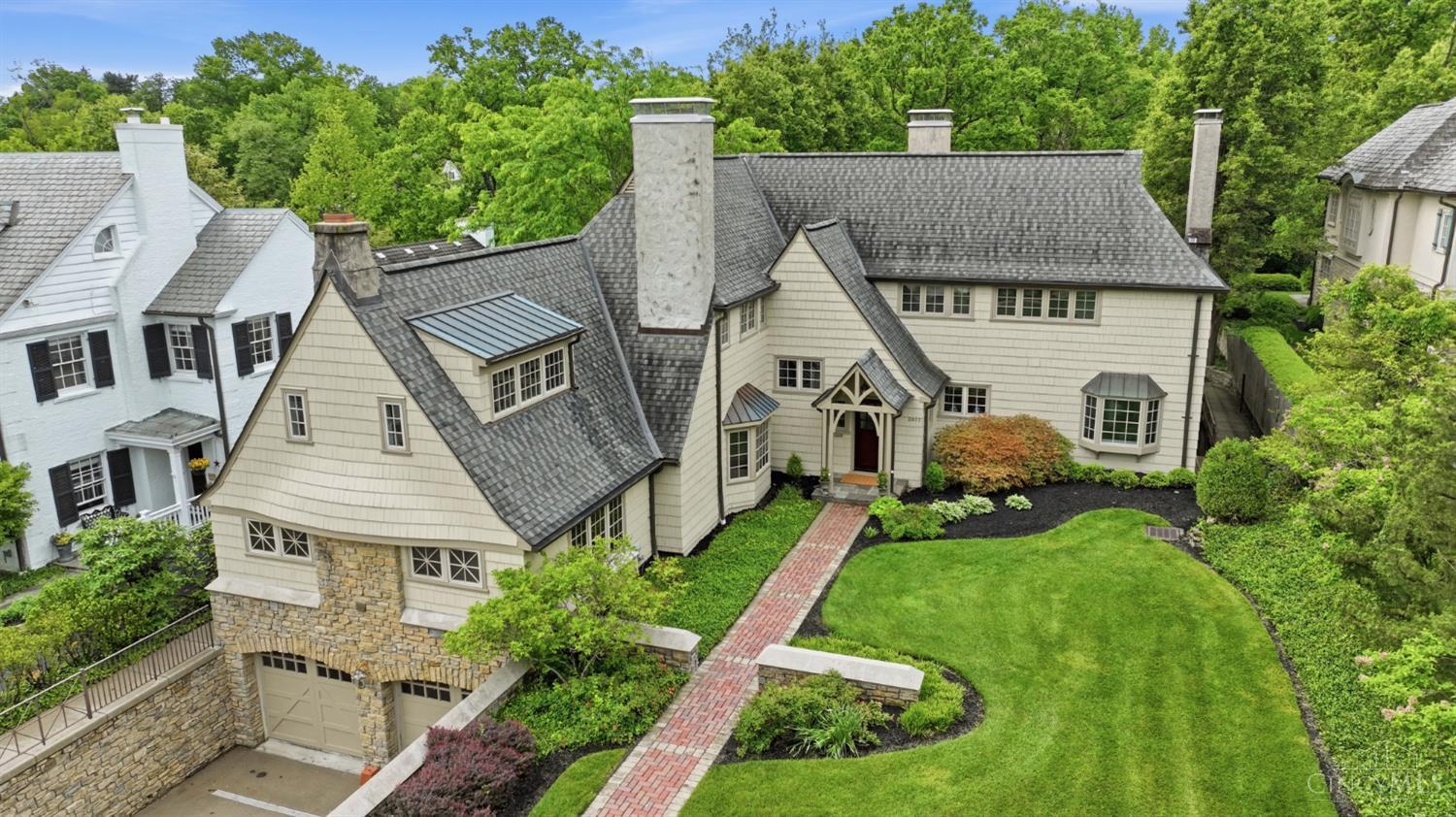
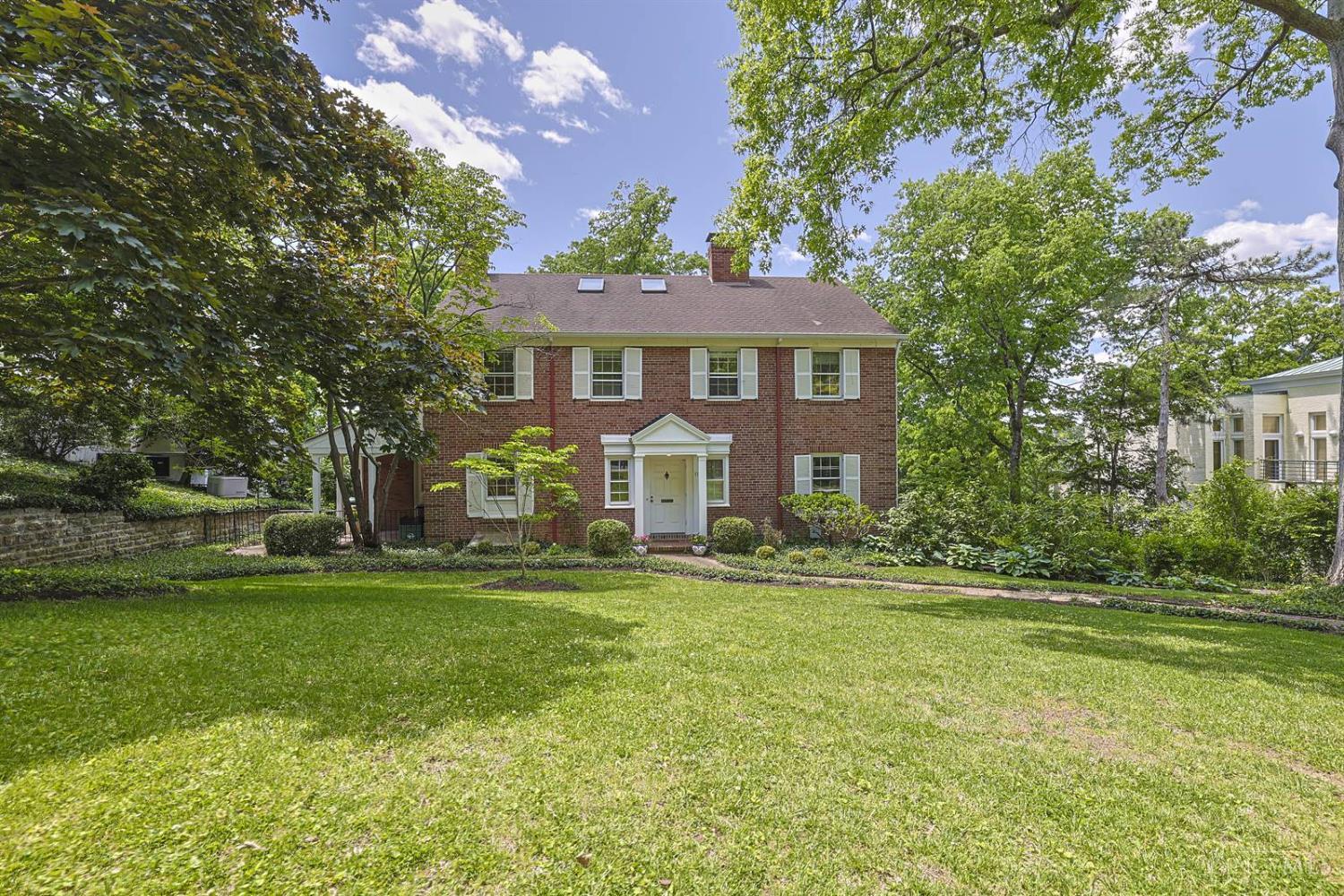
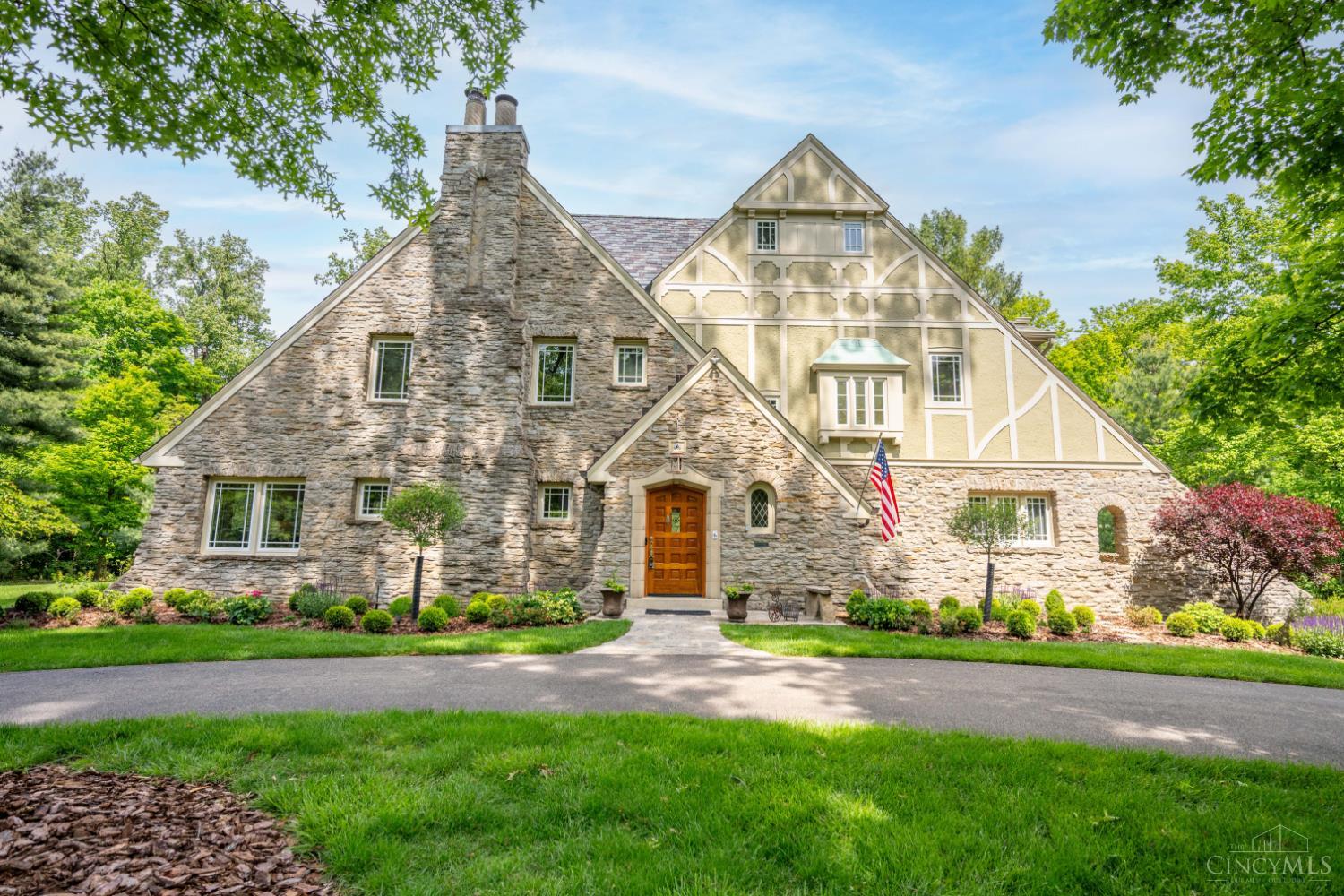
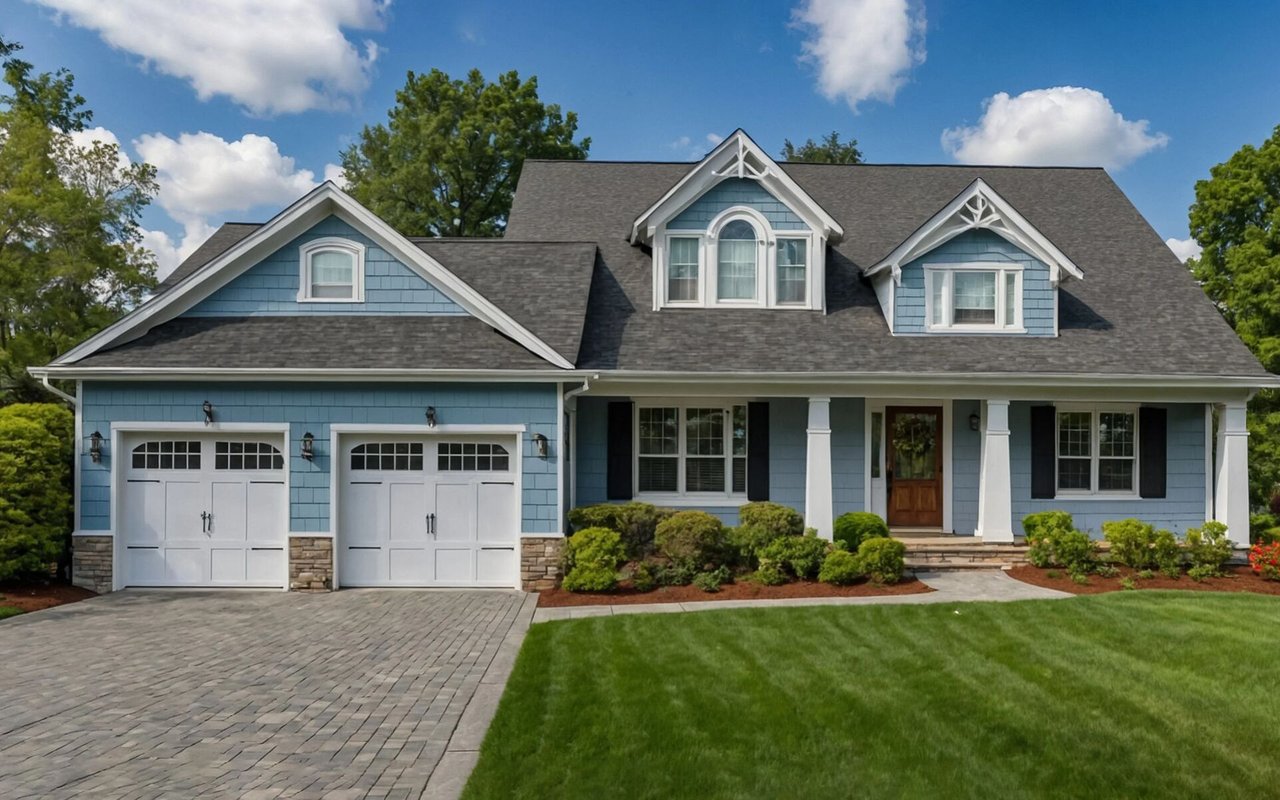
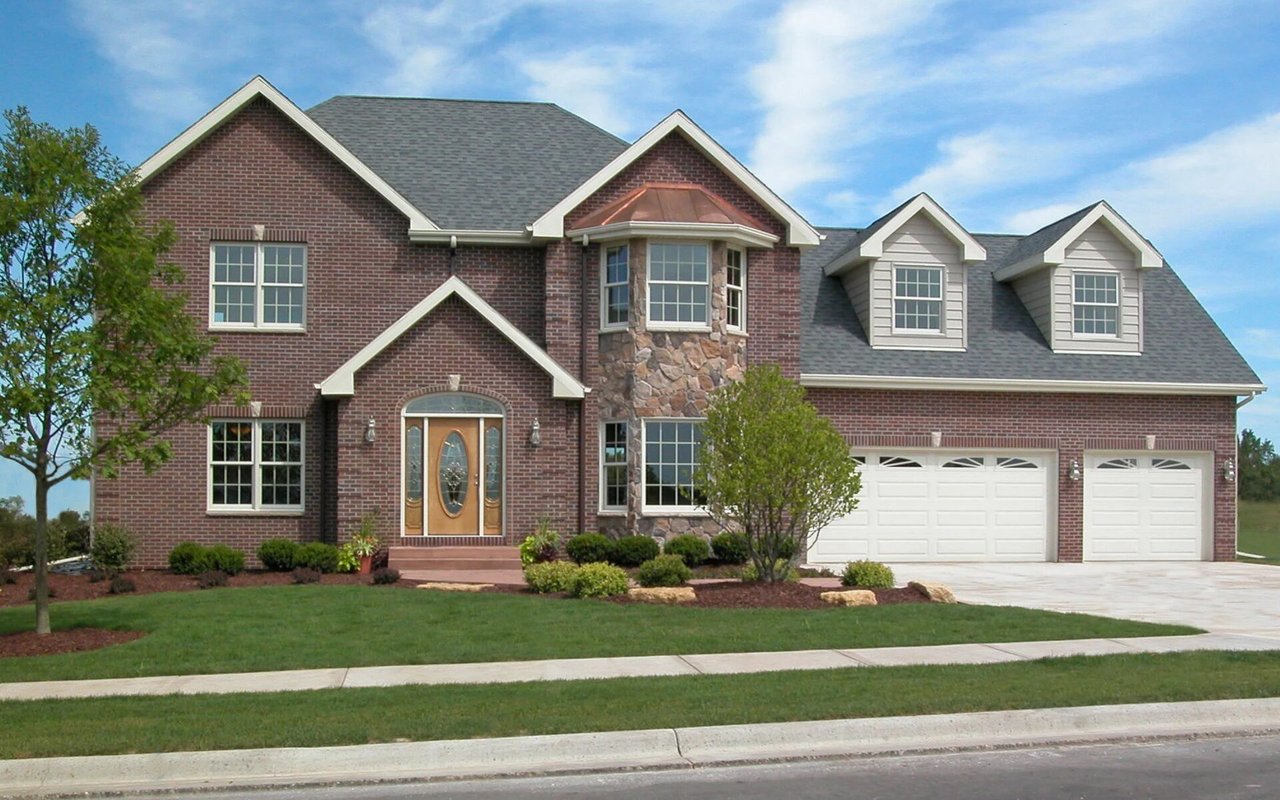
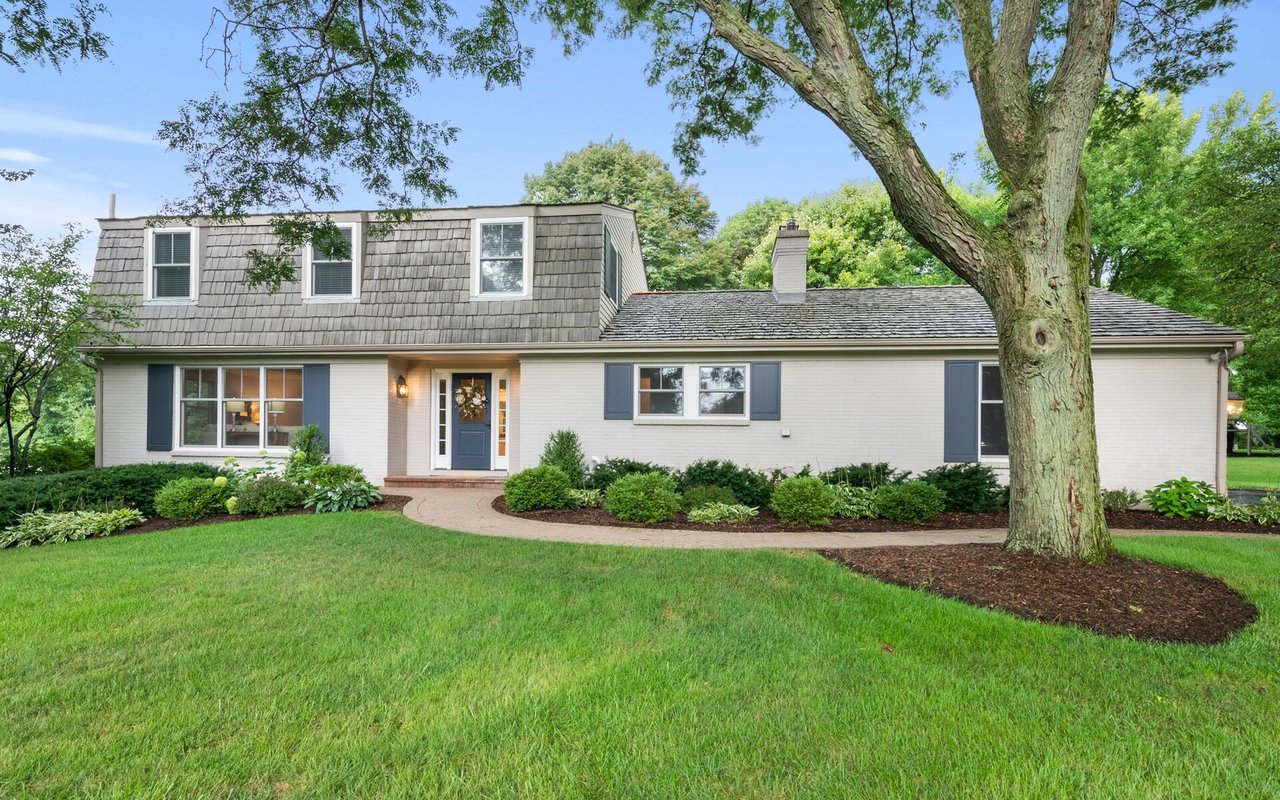
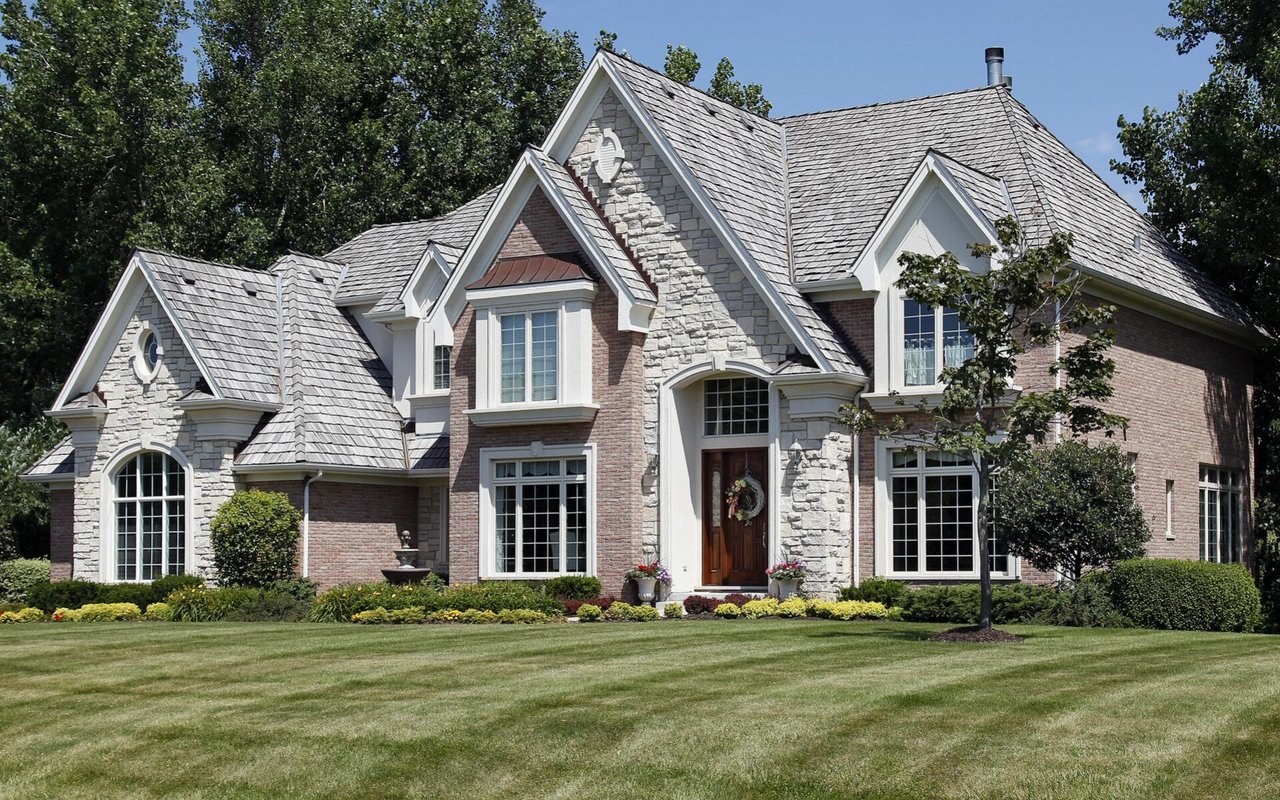
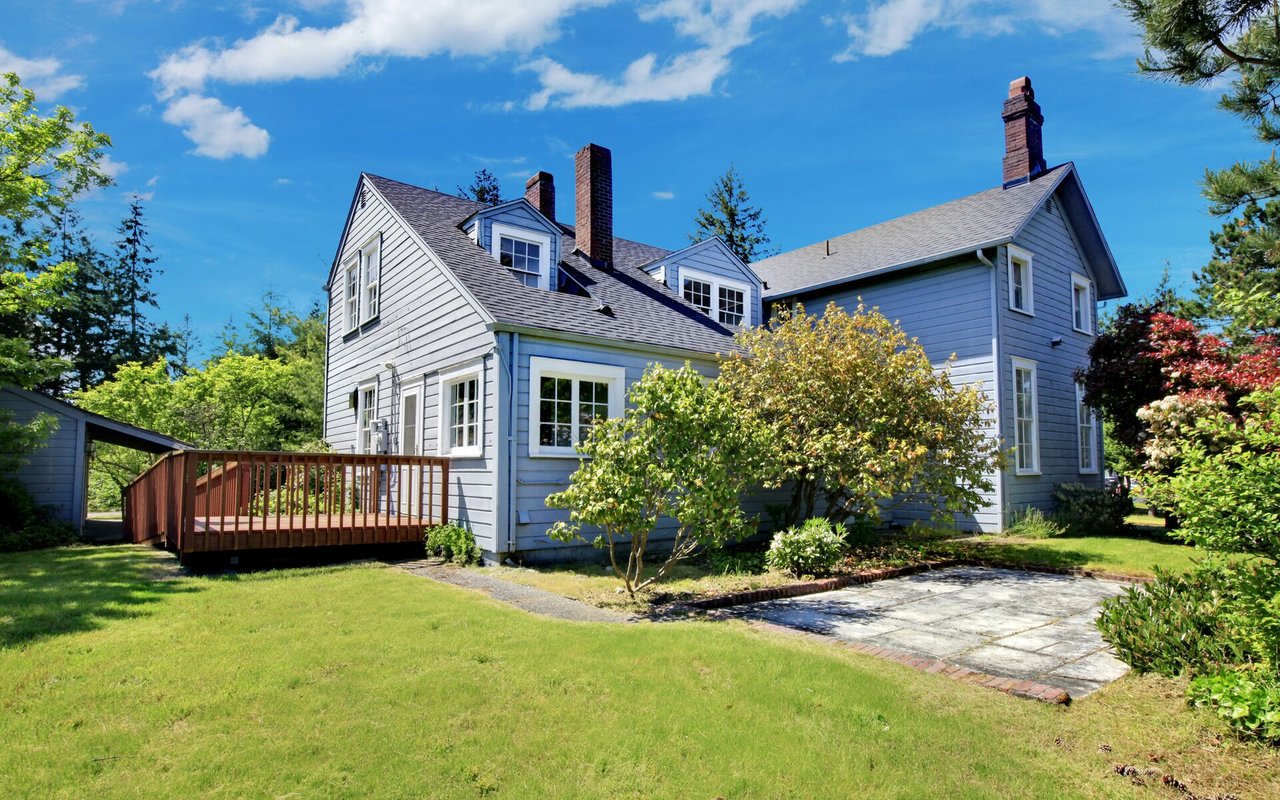
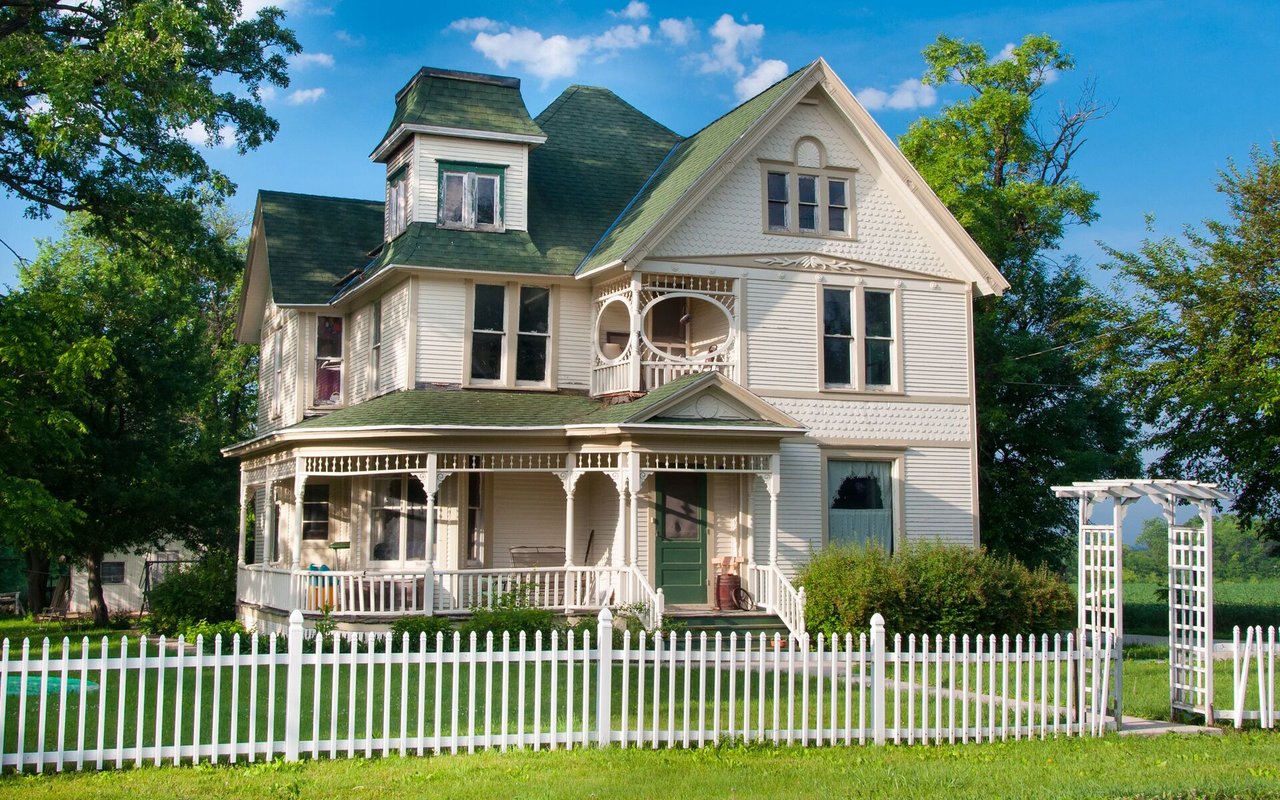
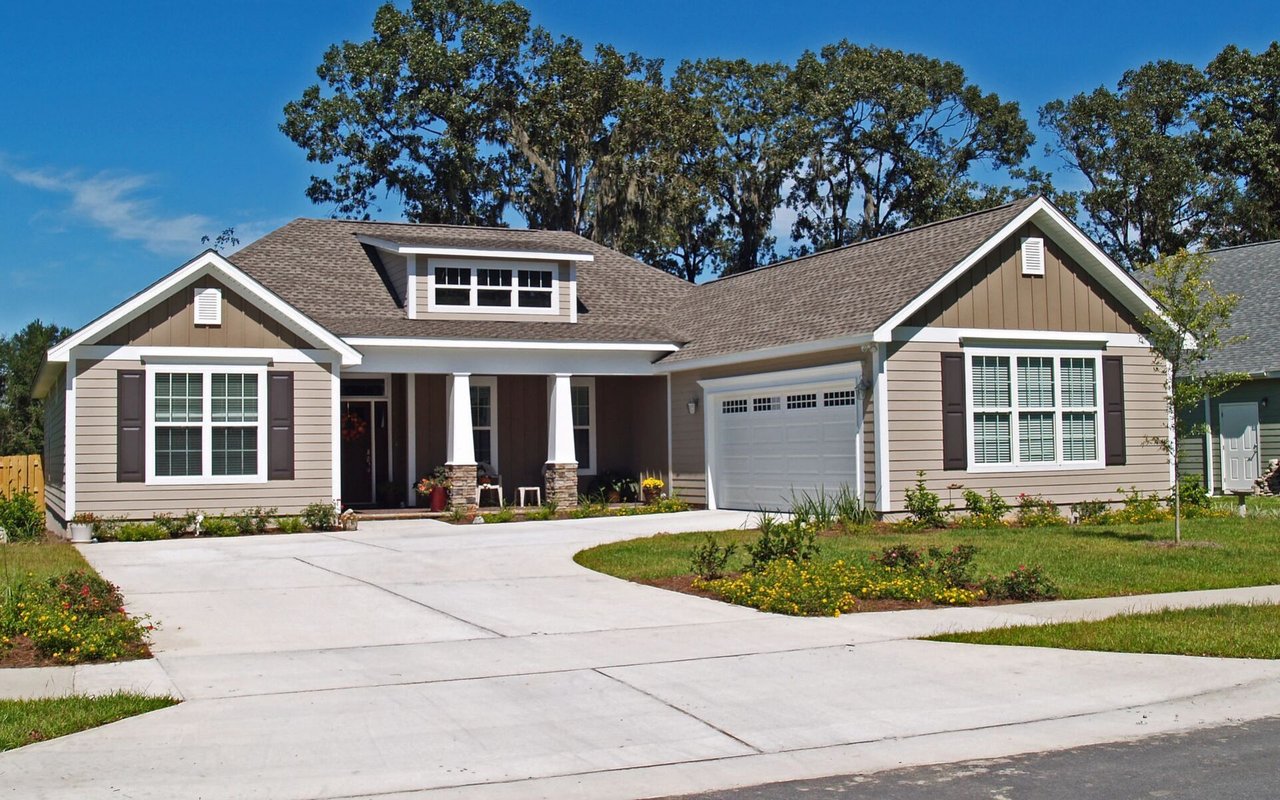
Cincinnati’s real estate market is broad and offers many housing types depending on location. Older single-family homes dominate many established neighborhoods. These properties tend to have solid construction, traditional floor plans, and ongoing updates that vary by owner. Buyers often focus on neighborhoods like Hyde Park, Oakley, Mount Lookout, Clifton, Pleasant Ridge, and Columbia-Tusculum for their walkability and consistent property values.
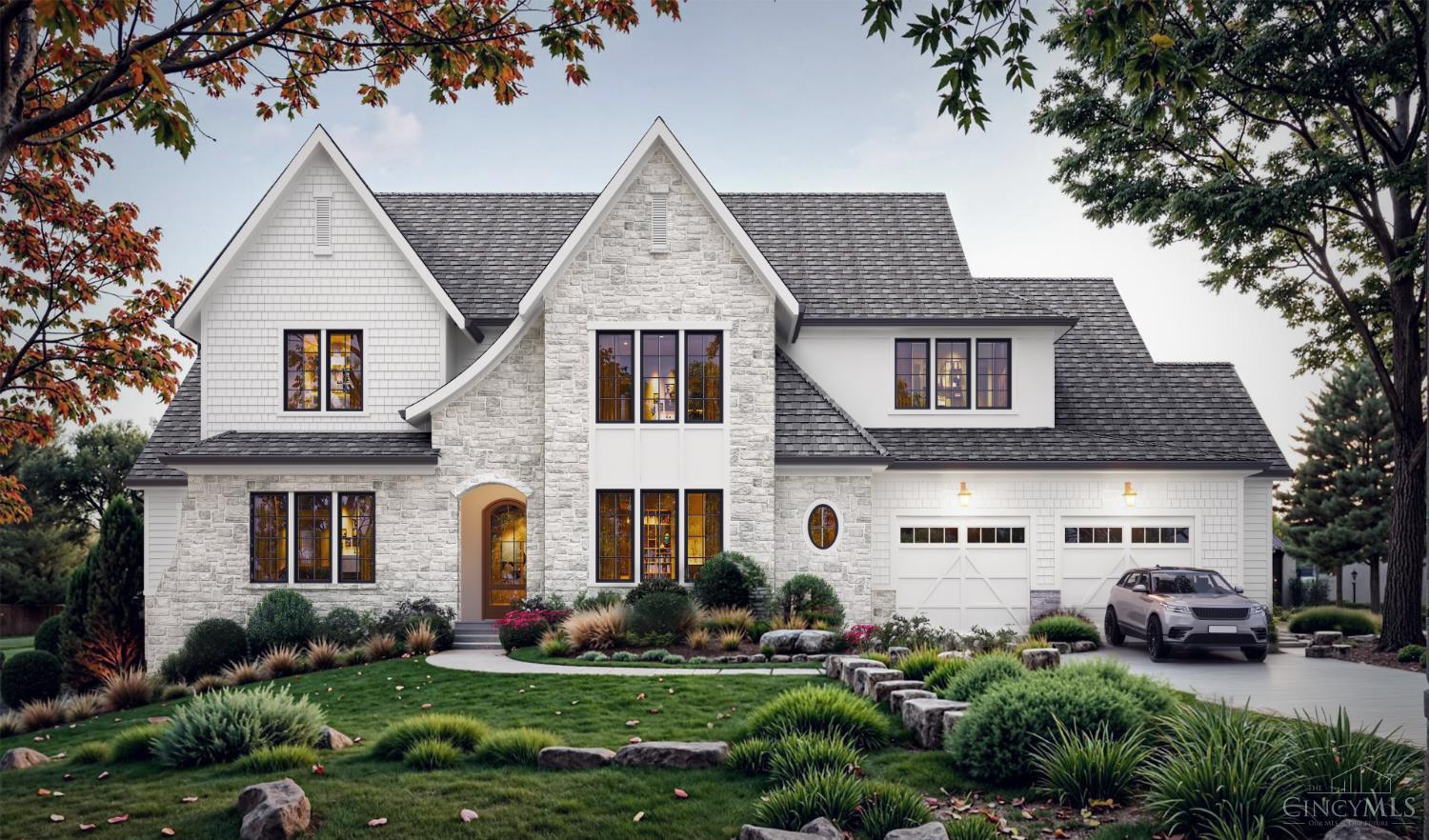
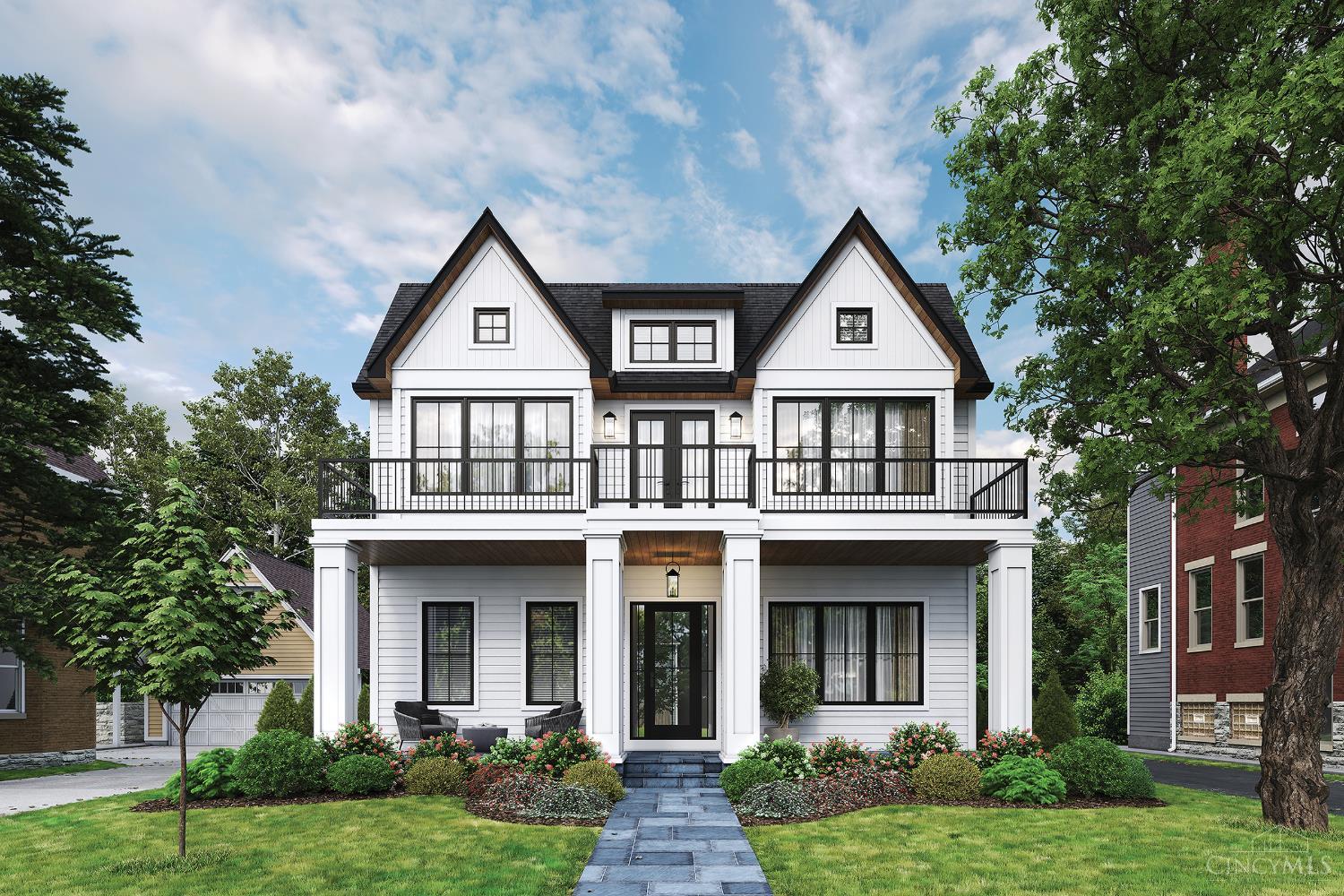
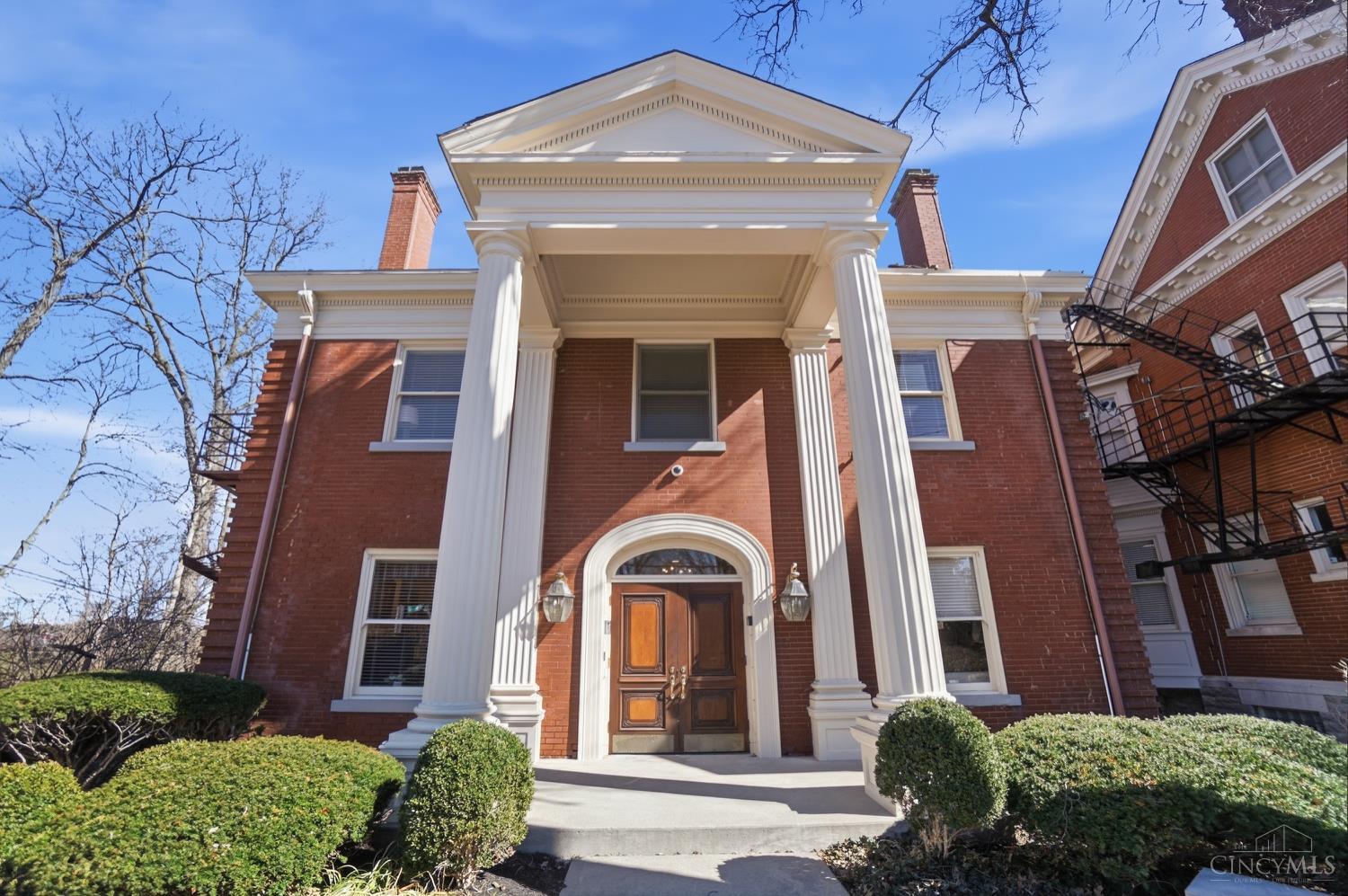
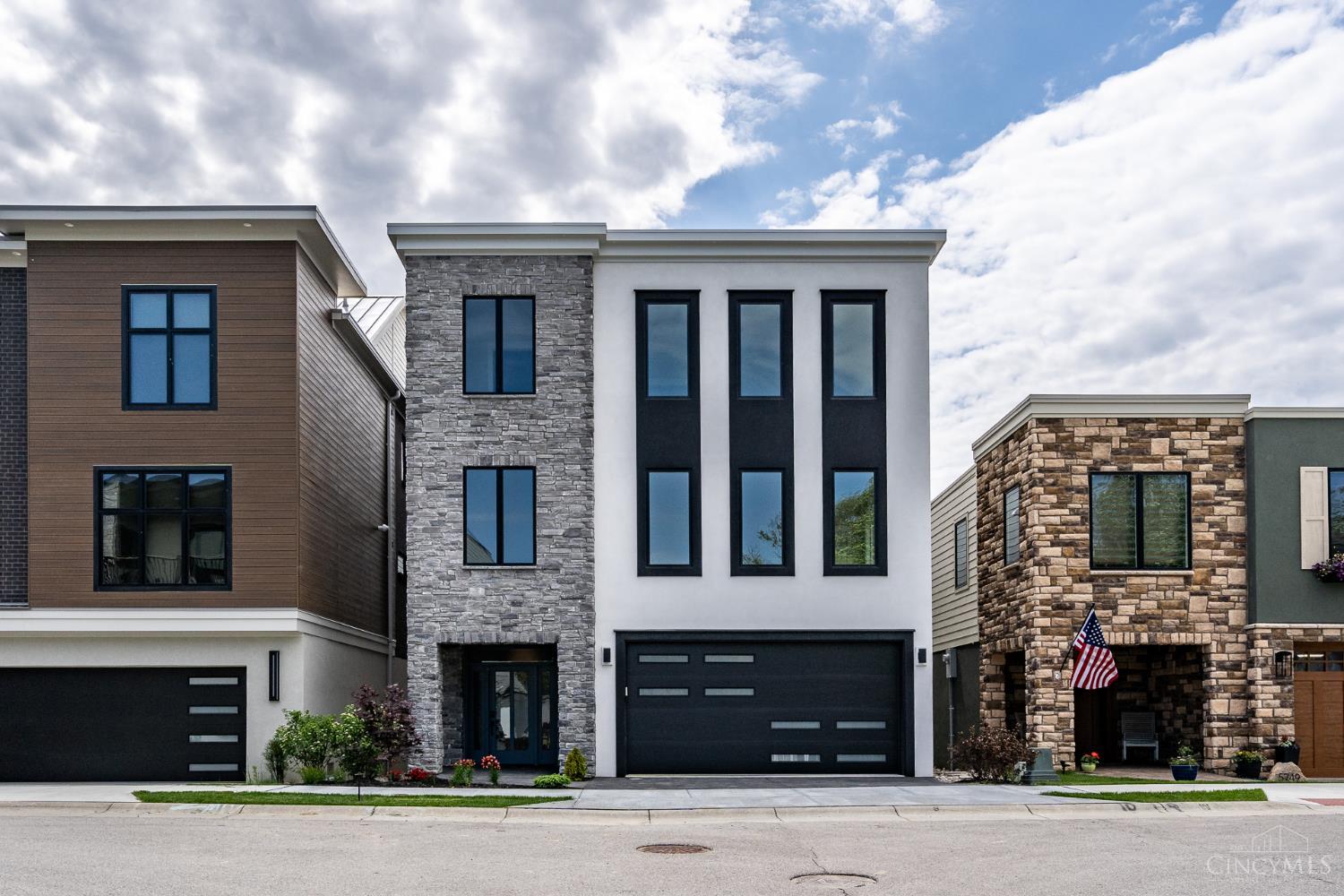
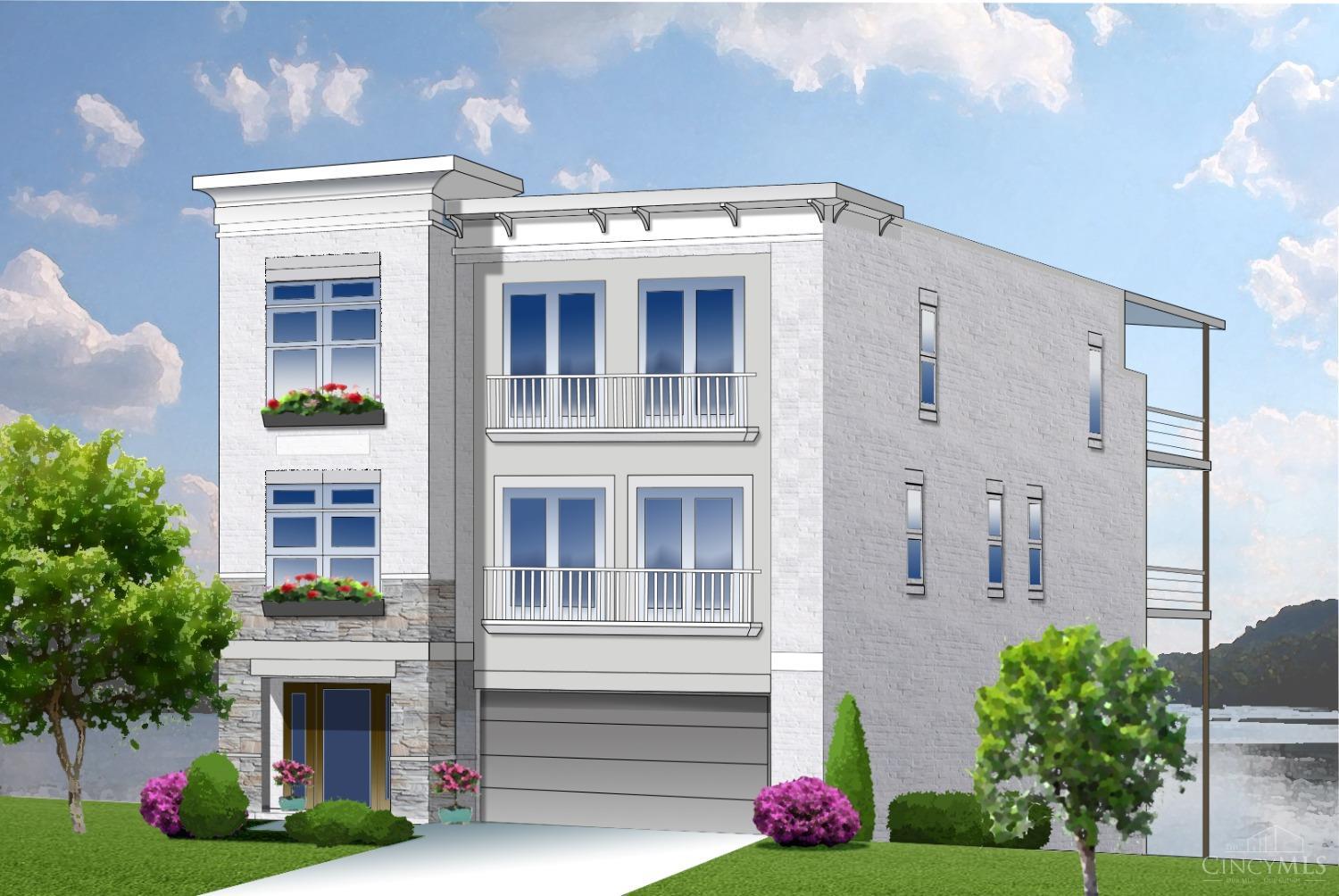
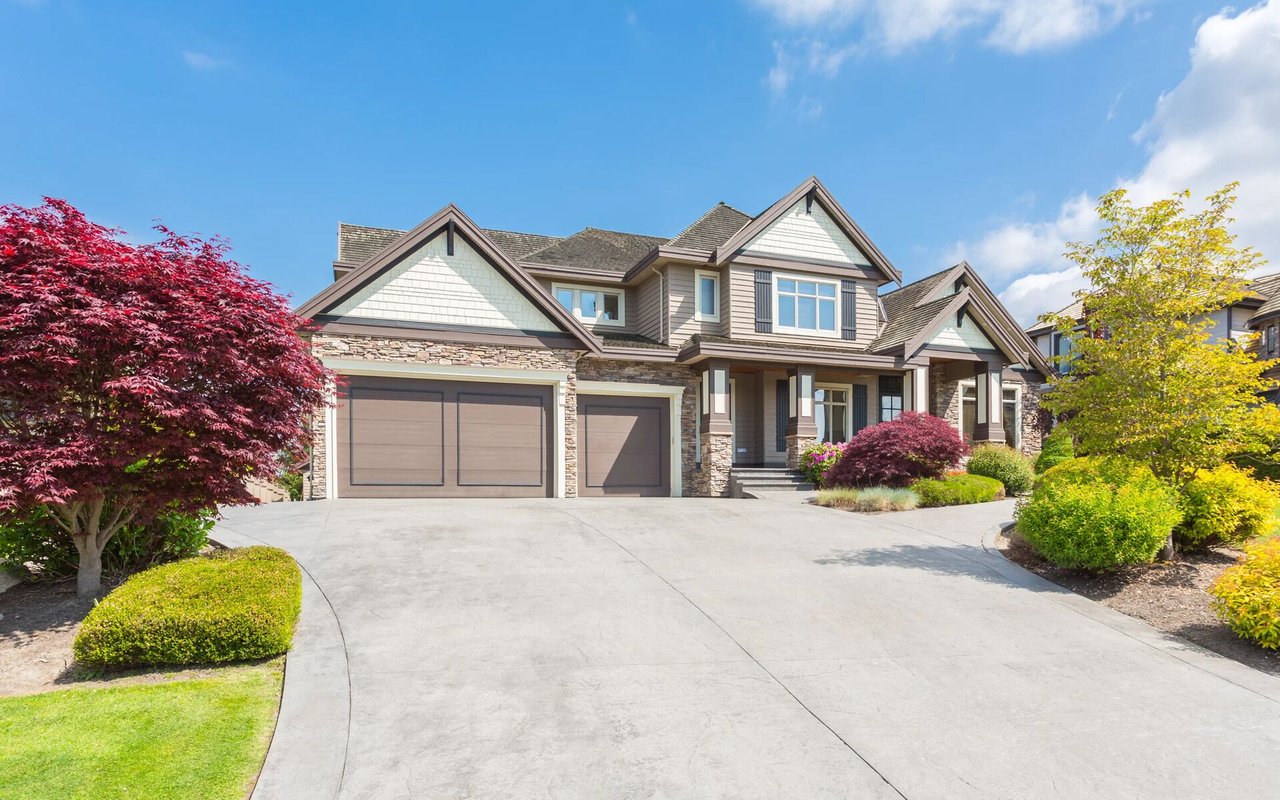
Downtown and Over-the-Rhine offer condos, renovated lofts, and townhomes that appeal to buyers seeking a lower-maintenance home close to restaurants, offices, and entertainment. New construction appears where redevelopment allows for infill projects, especially in areas just outside the urban core. These homes often provide open layouts, attached parking, and modern systems while staying compatible with neighborhood scale.
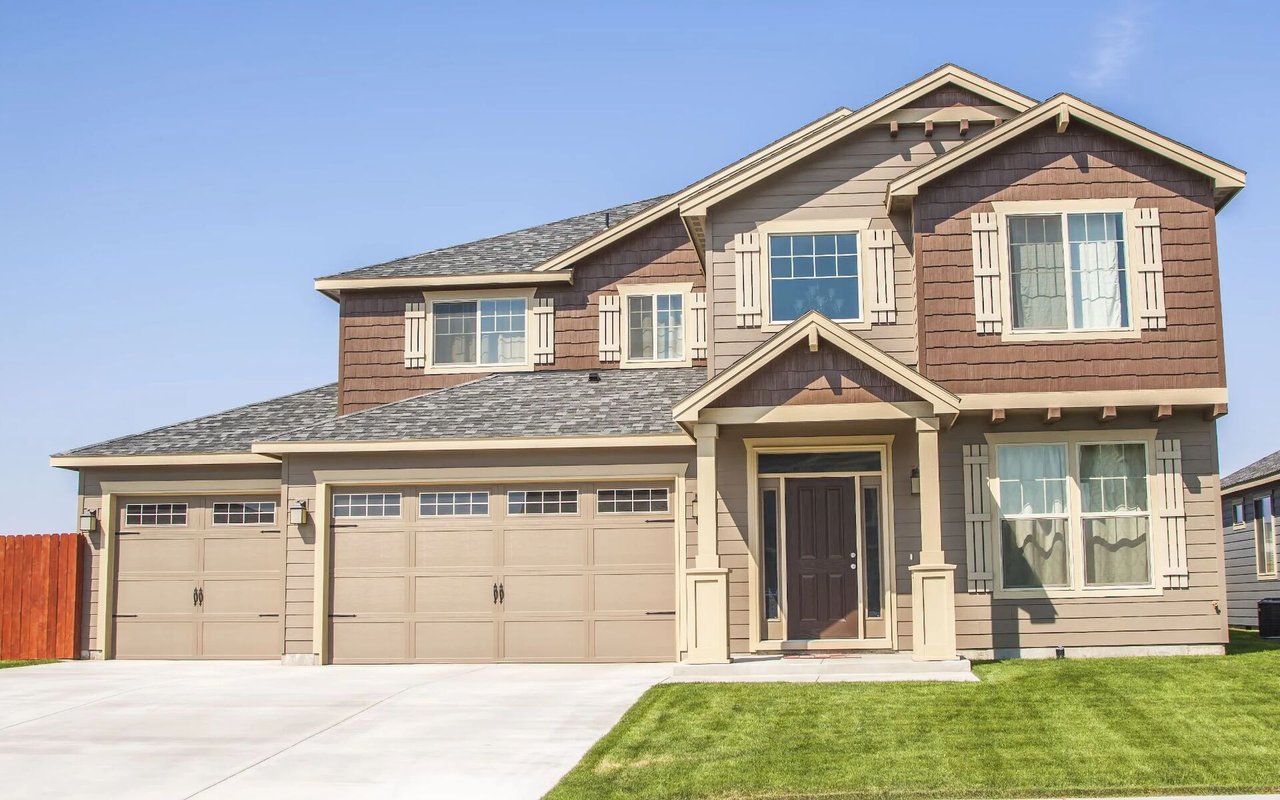
West Side and suburban-adjacent parts of the city offer more attainable price points. These areas attract buyers who want space, yard size, and a quieter setting without leaving city limits. Demand remains steady because Cincinnati provides a wide range of options that fit different budgets and living preferences.
Overall, the market moves consistently, with well-priced homes selling quickly in most neighborhoods. Buyers benefit from understanding the character and pace of each area since market conditions can vary block by block.
Local life centers on food, parks, community events, and neighborhood pride. The city supports weekly markets, festivals, and outdoor concerts throughout spring, summer, and fall. The trail network continues to expand, giving residents more ways to bike or run between neighborhoods. Smale Riverfront Park and Eden Park remain major gathering points, while pocket parks across the city offer easy access to outdoor space.
Cincinnati is also known for its strong job market in healthcare, education, finance, and consumer goods. Major employers like Procter & Gamble, Kroger, and multiple hospital systems help create stability for professionals who choose to live within the city rather than commute from the suburbs.
Daily life is straightforward. Commutes are manageable, services are consistent, and neighborhoods maintain their own traditions. People who choose Cincinnati often appreciate its scale, its predictability, and its ability to offer both quiet residential living and active urban experiences.
309,595 people live in Cincinnati, where the median age is 33 and the average individual income is $38,878. Data provided by the U.S. Census Bureau.
Total Population
Median Age
Population Density Population Density This is the number of people per square mile in a neighborhood.
Average individual Income
There's plenty to do around Cincinnati, including shopping, dining, nightlife, parks, and more. Data provided by Walk Score and Yelp.
Explore popular things to do in the area, including Etxe, Mi Cocina, and Cincy Cafe.
| Name | Category | Distance | Reviews |
Ratings by
Yelp
|
|---|---|---|---|---|
| Dining | 1.37 miles | 8 reviews | 5/5 stars | |
| Dining | 4.11 miles | 15 reviews | 5/5 stars | |
| Dining · $ | 0.76 miles | 27 reviews | 5/5 stars | |
| Dining | 1.3 miles | 9 reviews | 5/5 stars | |
| Dining | 4.03 miles | 7 reviews | 5/5 stars | |
| Dining · $$ | 2.15 miles | 34 reviews | 4.9/5 stars | |
| Active | 1.79 miles | 10 reviews | 5/5 stars | |
| Active | 1.17 miles | 9 reviews | 5/5 stars | |
| Active | 3 miles | 5 reviews | 5/5 stars | |
| Nightlife | 1.89 miles | 7 reviews | 5/5 stars | |
| Nightlife | 3.99 miles | 7 reviews | 5/5 stars | |
| Nightlife | 2.59 miles | 12 reviews | 5/5 stars | |
| Beauty | 1.87 miles | 12 reviews | 5/5 stars | |
| Beauty | 2.23 miles | 7 reviews | 5/5 stars | |
| Beauty | 1.78 miles | 5 reviews | 5/5 stars | |
| Beauty | 4.11 miles | 5 reviews | 5/5 stars | |
| Beauty | 4.79 miles | 6 reviews | 5/5 stars | |
| Beauty | 2.77 miles | 9 reviews | 5/5 stars | |
| Beauty | 1.26 miles | 14 reviews | 5/5 stars | |
| Beauty | 1.74 miles | 23 reviews | 5/5 stars | |
|
|
||||
|
|
||||
|
|
||||
|
|
||||
|
|
||||
|
|
Cincinnati has 142,810 households, with an average household size of 2.07. Data provided by the U.S. Census Bureau. Here’s what the people living in Cincinnati do for work — and how long it takes them to get there. Data provided by the U.S. Census Bureau. 309,595 people call Cincinnati home. The population density is 3,974.1 and the largest age group is Data provided by the U.S. Census Bureau.
Total Population
Population Density Population Density This is the number of people per square mile in a neighborhood.
Median Age
Men vs Women
Population by Age Group
0-9 Years
10-17 Years
18-24 Years
25-64 Years
65-74 Years
75+ Years
Education Level
Total Households
Average Household Size
Average individual Income
Households with Children
With Children:
Without Children:
Marital Status
Blue vs White Collar Workers
Blue Collar:
White Collar:
The Ernst Team is dedicated to helping you find your dream home and assisting with any selling needs you may have. Contact them today for a free consultation for buying, selling, renting, or investing in Ohio.