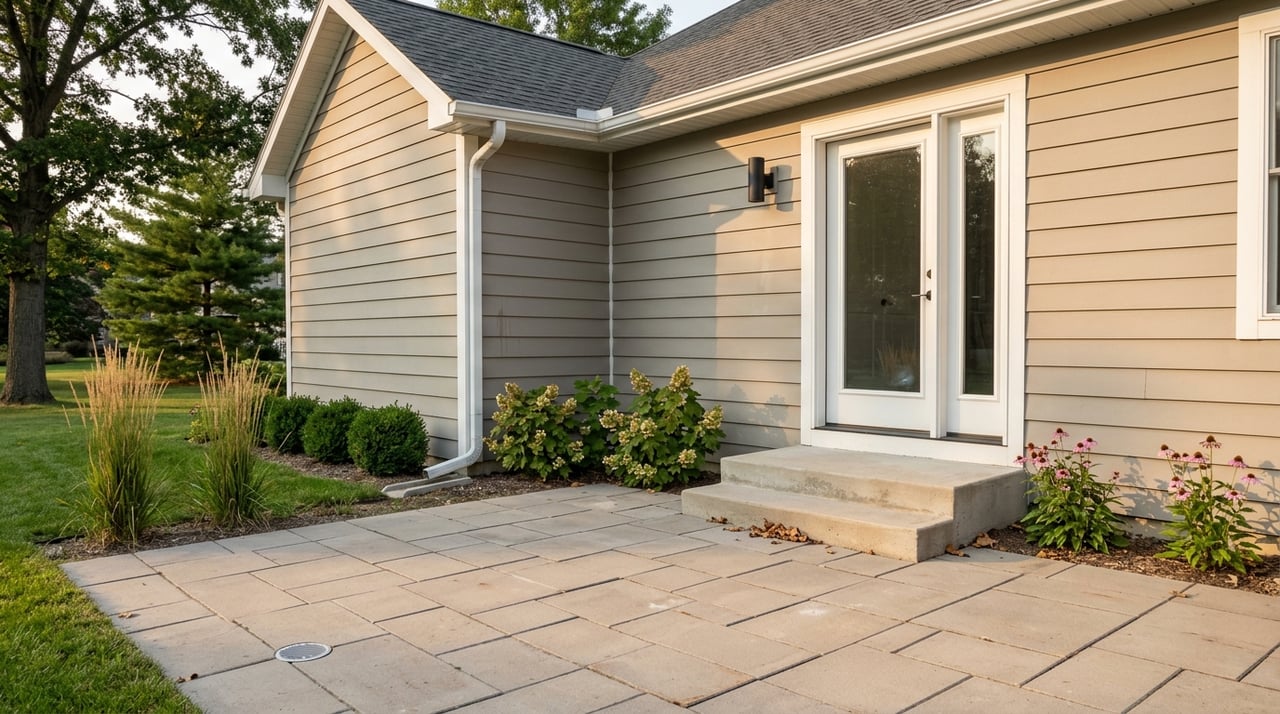
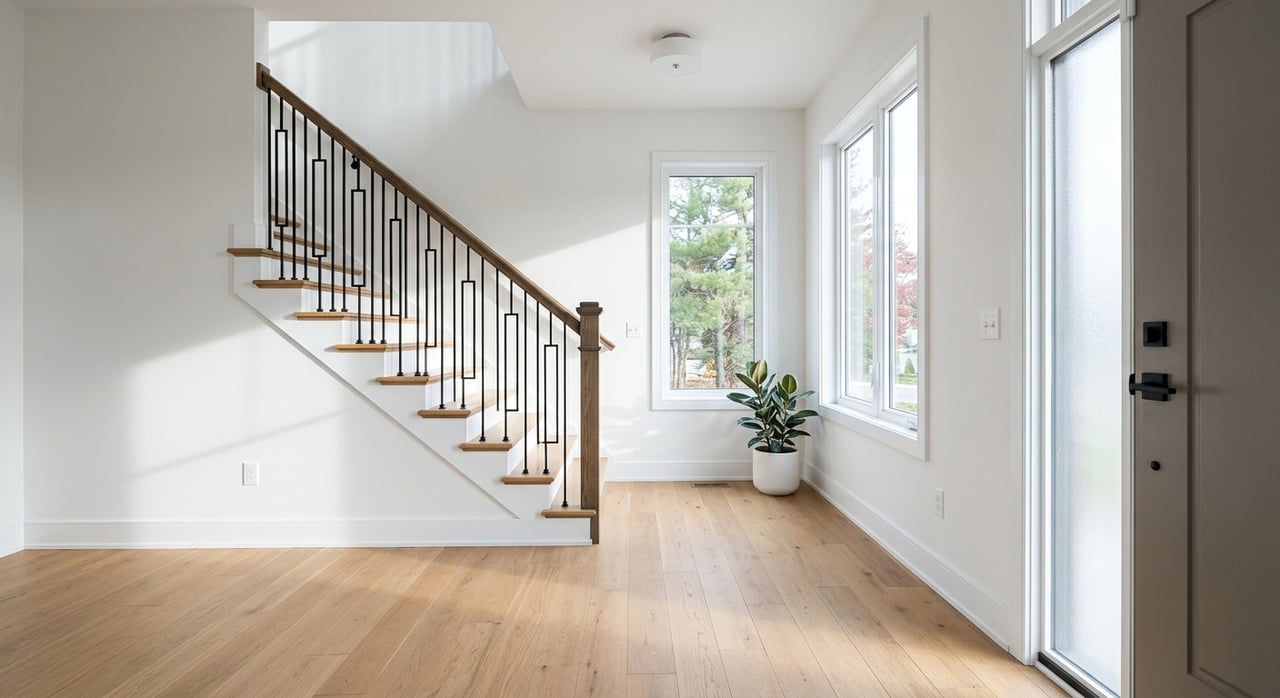
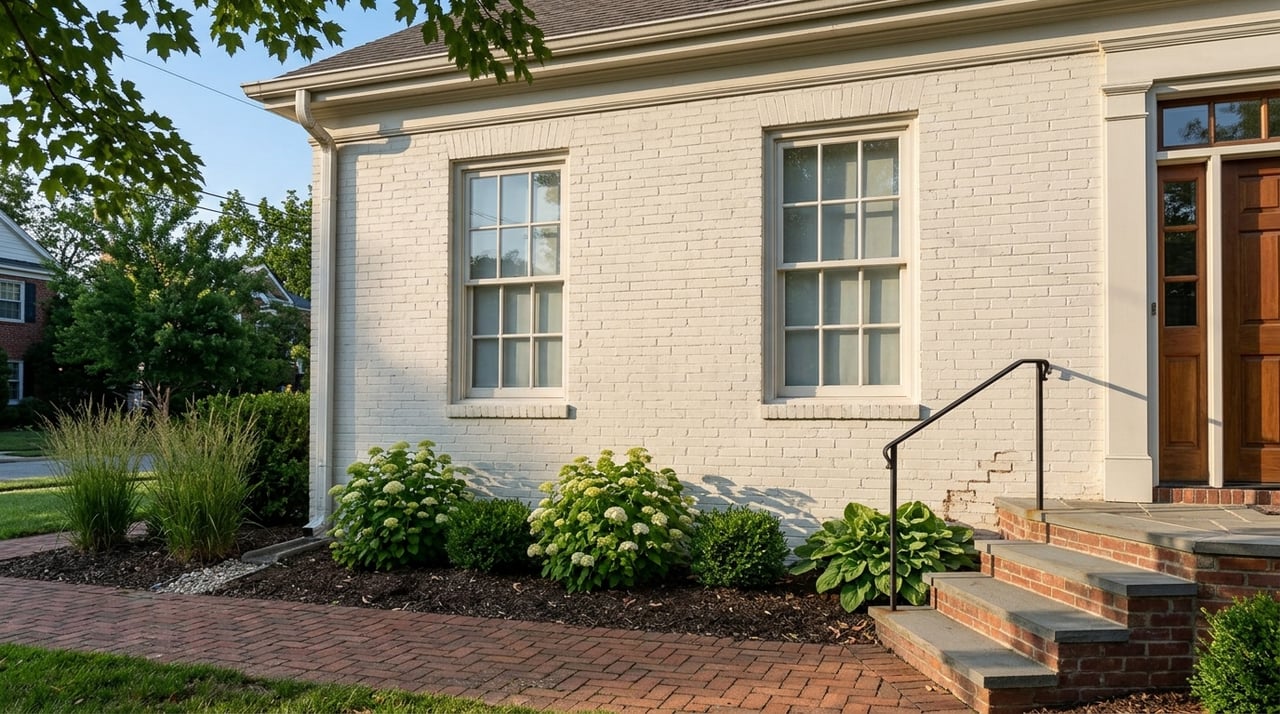
If you want less yard work without giving up the Milford lifestyle you love, condos and townhomes can be a smart move. Maybe you’re busy, traveling more, or simply ready to trade weekend projects for pool time or the Little Miami Scenic Trail. In this guide, you’ll learn where attached homes cluster in the Milford area, what typical floorplans and amenities look like, how HOA fees work, and what to check before you buy. Let’s dive in.
Why Milford suits low-maintenance living
Milford offers a small-town feel with quick access to Greater Cincinnati. You can enjoy local shops and dining, plus easy recreation on the Little Miami Scenic Trail that runs right by town. If you want to keep life simple and still be close to parks, paths, and downtown conveniences, a condo or townhome here can fit well.
As a quick market context, Milford’s median sale price was about $251,000 as of January 2026. That gives you a helpful baseline when you compare attached options to nearby single-family homes.
Where condos and townhomes cluster
Most attached options that serve Milford buyers sit in and around Miami Township and the edges of Milford, especially along SR-131, SR-28 and the I-275 corridor. You’ll also find a handful of communities closer to downtown and the river trail if you value walkability and recreation. Popular clusters include areas like Meadowcreek and Village of Woodcreek, as well as Cobblestone and Oakbridge style complexes. Newer townhome-style communities are being marketed in the Parkview area of Miami Township.
If trail access is on your wish list, look for addresses near downtown Milford and the Little Miami Scenic Trail. It is a frequent selling point for attached-home buyers seeking low maintenance and outdoor time. You can preview the trail system on this overview of Milford-area paths and access points on the Little Miami Scenic Trail.
- Explore the local trail network: Milford trail overview
What you get: layouts and amenities
You’ll see three broad product types around Milford:
- Condo units in 1 to 3-story buildings where you own the interior space and share common elements.
- Townhomes in row or paired formats, sometimes set up as condominiums, often with attached garages or assigned parking.
- Single-level ranch or paired townhome options designed for one-floor living.
Common amenities include community pools, a clubhouse or fitness room, assigned parking or garages, private balconies or patios, and secured entries in some buildings. Many communities bundle exterior maintenance, landscaping, and snow removal. Trash and sometimes water are included in dues in certain associations.
Trade-offs are simple. You’ll spend less time on exterior chores and get amenities without the upkeep, but you’ll also pay monthly HOA dues and follow community rules on things like exterior changes, rentals, and pets.
Price ranges and HOA fees in Milford
Milford’s attached-home market is active but smaller than its single-family market. Here’s a local snapshot based on recent listings reviewed in early 2026:
- Townhomes: median list near $350,000.
- Older 2-bed condos: commonly $100,000 to $160,000.
- Newer or larger attached homes: often $200,000 to $400,000+ depending on plan and finish.
HOA fees vary by community and amenity level. Local listings commonly show about $200 to $410 per month. Pools, full clubhouse facilities, elevators, and robust exterior coverage tend to push fees toward the higher end. For broader context on how fees are structured and why they vary, review this national explainer on HOA dues:
- Learn more about how HOA fees work: Bankrate overview
What HOA dues often cover here
Every association is different, so read the fine print. Locally, dues often include:
- Landscaping and snow removal
- Exterior maintenance and repairs for common elements
- Master insurance for the building’s common areas
- Trash service and sometimes water/sewer
- Amenity upkeep such as a pool, clubhouse, fitness room, and walking paths
If a community advertises a broad maintenance package, expect dues to be higher. If amenities are limited and buildings are simple to maintain, dues are often lower.
Quick monthly cost snapshots
It helps to compare total monthly cost, not just price. Add mortgage, property taxes, insurance, and HOA dues, then compare to a similarly priced single-family home without an HOA. Here are simple, illustrative scenarios based on local ranges:
- Older 2-bed condo at $150,000 with a $300 HOA. You trade a lower price for a consistent monthly HOA that covers many exterior items.
- Newer townhome at $350,000 with a $275 HOA. Higher price point, modest dues, and likely more space plus a garage.
- Single-family home near the area median around $251,000 with no HOA. No monthly dues, but you handle all exterior upkeep, future roof and siding, and yard costs.
Your lender can model the exact payment for each option. The key is to consider the HOA as part of your monthly budget and weigh it against the time and future maintenance you’ll save.
HOA, legal, and financing checkpoints
Before you make an offer on a condo or townhome, review a few essentials.
Understand the legal framework
In Ohio, condominiums are governed by Chapter 5311 of the Ohio Revised Code. Planned communities with HOAs are generally covered under Chapter 5312. The statutes outline how associations operate and what documents must exist. If you want to read the condo chapter directly, start here:
- Ohio Revised Code, Chapter 5311: Condominium Property
Request the full association package
Ask for these documents early so you can evaluate the community’s health and rules:
- Declaration/CC&Rs and bylaws
- Current budget and the last 2 to 3 years of financials
- Most recent reserve study and current reserve balance
- Minutes from recent board meetings
- Insurance certificates for the association’s master policy and a clear summary of what it covers
- Any pending or recent special assessments
- Litigation disclosures
- Rental and short-term rental policies
- Owner-occupancy and delinquency rates
- Resale certificate, if available
For a consumer-friendly overview of what to request and why, see this buyer resource: Nolo’s Essential Guide to Buying Your First Home
Know how financing works for condos and townhomes
Lenders assess projects at the community level. If reserves are low, too many owners are behind on dues, or the association is in significant litigation, some loan programs may not approve the project. Conventional lenders often use project questionnaires and agency standards to confirm eligibility.
- Learn how project eligibility works: Fannie Mae guidance
Ask your lender upfront whether the community you’re eyeing is considered warrantable and if any special approvals are needed.
Watch for special assessments and reserves
Even healthy associations sometimes levy one-time assessments for big-ticket items like roofs, siding, decks, or structural repairs. Review the reserve study, recent capital projects, and board meeting minutes to understand near-term risks.
Insurance 101 for owners
Associations typically insure common elements through a master policy. You will likely need an HO-6 policy for your unit’s interior finishes, personal property, liability, and loss assessment coverage. Confirm exactly what the association’s policy covers and what falls to you.
Who condos and townhomes fit best
- Downsizers and right-sizers: Single-level floorplans and exterior maintenance included can make life simpler. Focus on elevator access, parking, guest policies, and HOA fee levels that match the services you value.
- Busy professionals and commuters: Locations near I-275 and SR-131 offer quick access, with lock-and-leave convenience and low upkeep.
- First-time buyers: Older condos and townhomes can create an affordable entry point. Budget for dues and confirm lending options for the specific community.
Milford must-knows before you buy
- School boundaries: If living inside the Milford Exempted Village Schools area matters to you, confirm the attendance zone for the exact address directly with the district. Start here: Milford Exempted Village Schools
- Recreation and walkability: Attached-home buyers often prioritize proximity to the Little Miami Scenic Trail and downtown amenities. If that is you, focus your search near those corridors.
- River corridor due diligence: If you’re considering properties near the Little Miami River, check flood maps and local requirements for the exact address and discuss insurance needs with your agent and insurer.
Quick buyer checklist
- Confirm the address is inside your desired school attendance boundary with the district.
- Request the full HOA package: declaration/bylaws, budget, financials, reserve study, insurance certificates, meeting minutes, special assessments, owner-occupancy and delinquency rates, and any litigation disclosures.
- Verify what the HOA dues cover and what they do not. Look for line-item clarity on utilities, exterior items, and amenities.
- Review recent and planned capital projects and current reserves to gauge future assessment risk.
- Confirm rental and short-term rental rules if you plan to rent now or later.
- Ask your lender about project eligibility and whether the condo or townhome is considered warrantable. Reference: Fannie Mae project eligibility
- Order an independent condo or townhome inspection and discuss flood insurance if the property is near the river corridor.
Ready to tour condos and townhomes?
If low-maintenance living around Milford sounds right, you deserve clear guidance on communities, dues, and value. Our team can help you compare options, line up financing, and navigate HOA documents so you buy with confidence. Reach out to The Ernst Team to schedule your free consultation and start your search.
FAQs
How much are HOA fees for Milford condos and townhomes?
- Local listings commonly show about $200 to $410 per month, with higher fees tied to pools, clubhouses, and broader exterior coverage.
Can you remodel inside a Milford condo or townhome?
- Interior updates are often allowed, but structural changes and any exterior alterations usually need association approval. Review bylaws and design rules before planning work.
Can you rent out a Milford condo or townhome?
- Many associations limit rentals or short-term rentals. Check the declaration, bylaws, and resale certificate for current rules before you buy.
What happens if the HOA levies a special assessment?
- Owners share the cost based on the rules in the declaration. Review reserve studies, meeting minutes, and planned projects to gauge the risk of near-term assessments.
Are Milford condos located within Milford Exempted Village Schools?
- Some are, some are not. Always confirm address-specific attendance zones directly with the district: Milford Exempted Village Schools
Will my loan work for a specific Milford condo community?
- It depends on project eligibility. Ask your lender about warrantability and review standards like those from Fannie Mae early in your search.