If you work in Cincinnati but want your home life to feel a little more relaxed, Milford deserves a serious look. You may be trying to balance commute time, housing options, and what your evenings and weekends will actually feel like once the workday ends. The good news is that Milford offers a practical connection to Cincinnati along with a distinct river-and-trail lifestyle. Let’s dive in.
Why Milford Works for Cincinnati Commuters
Milford functions as part of Cincinnati’s eastern commuter belt, not a far-out suburb that leaves you stuck in the car for hours. Its location near the expanded Exit 59 area off I-275 gives you direct highway access, which matters if you need a dependable route into the city.
According to U.S. Census QuickFacts for Milford, the mean travel time to work is 20.2 minutes. Travelmath also estimates the drive from Milford to Cincinnati at about 23 minutes under typical traffic conditions, which supports Milford’s reputation as a relatively short-drive option for downtown commuters.
What the Daily Commute Looks Like
For many people, driving will be the simplest choice. Milford’s access to I-275 makes it easier to think of your commute as a manageable suburban drive rather than a long regional trek.
That said, your actual travel time can still vary based on your work schedule, your destination in Cincinnati, and traffic conditions. If you work standard downtown hours, Milford is often appealing because it keeps you connected without giving up that small-town feel after work.
Driving From Milford to Cincinnati
If you prefer flexibility, driving is usually the most direct option. Research in the local planning materials and commute estimates points to Milford as a strong fit for people who want access to Cincinnati while living outside the urban core.
This can be especially helpful if your job requires irregular hours, multiple stops during the day, or a route that does not line up neatly with transit schedules. In those cases, Milford gives you room to spread out without putting downtown completely out of reach.
Bus Options for Weekday Commuters
If you would rather avoid driving every day, Metro’s 29X Milford Express offers a weekday connection between Milford, Mariemont, the East End, and Downtown Cincinnati. Published morning departures from Main St & Lila Ave are around 5:36, 6:06, and 6:34 a.m., with arrivals at Government Square around 6:43, 7:13, and 7:45 a.m.
That makes bus commuting possible for some workers, but it is clearly more schedule-dependent than driving. It works best if your work hours match the route and you want a weekday backup to your normal routine.
Park-and-Ride Choices Near Milford
Milford commuters also have a few park-and-ride options to consider. Metro’s updates list Milford Kroger as a park-and-ride location, and the nearby Glen Este Park & Ride, operated by Clermont Transportation Connection, has space for 30 vehicles.
These options can help if you want to split the trip between driving and transit. They are practical tools, but they do not create the kind of all-day, high-frequency transit network you might expect in a larger urban setting.
What Life Feels Like After Work
One of Milford’s biggest strengths is what happens when your workday ends. Instead of coming home to a purely car-oriented suburb, you have access to a downtown area tied closely to the river, the trail system, and local businesses.
The city’s The Junction in Milford brochure describes Milford as a place where trails, shops, restaurants, and natural paths are woven through downtown. That gives Milford a different rhythm than many commuter communities.
Little Miami Scenic Trail Access
Milford sits along the Little Miami River next to the Little Miami Scenic Trail, which is one of the area’s standout recreation assets. Great Parks notes that this corridor is part of a 78-mile trail system along a designated National Wild and Scenic River.
For you, that can mean easy bike rides, walks, or runs after work without needing to plan a whole outing. It also adds to Milford’s identity in a way that feels more connected to the outdoors than many typical suburban choices.
Outdoor Time Beyond the Trail
If you want more than a paved trail, Milford also offers access to natural spaces nearby. Valley View Nature Preserve includes 190 acres along the East Fork River and hosts activities such as guided bird hikes, yoga, foraging events, and monthly night hikes, according to the city brochure.
That kind of off-hours option matters if lifestyle is part of your moving decision. When you leave work in Cincinnati, Milford gives you more than just a place to sleep before the next morning’s alarm.
Milford Housing: Character or Convenience
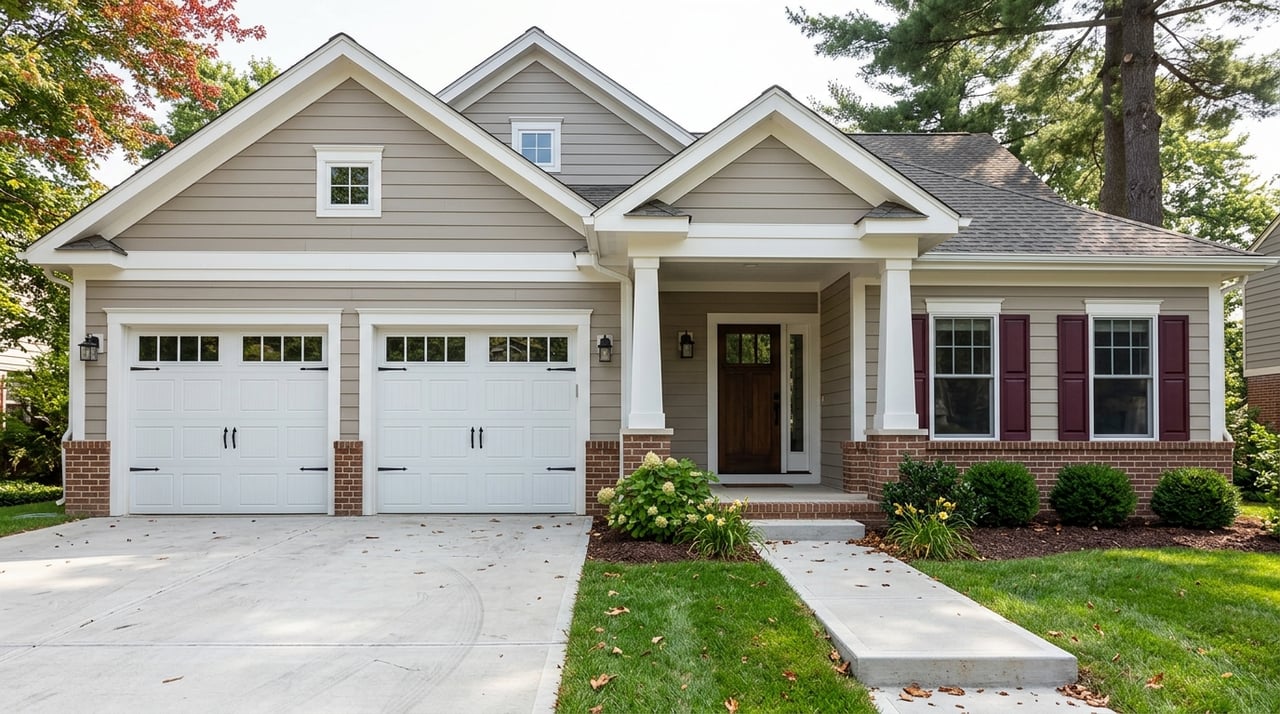
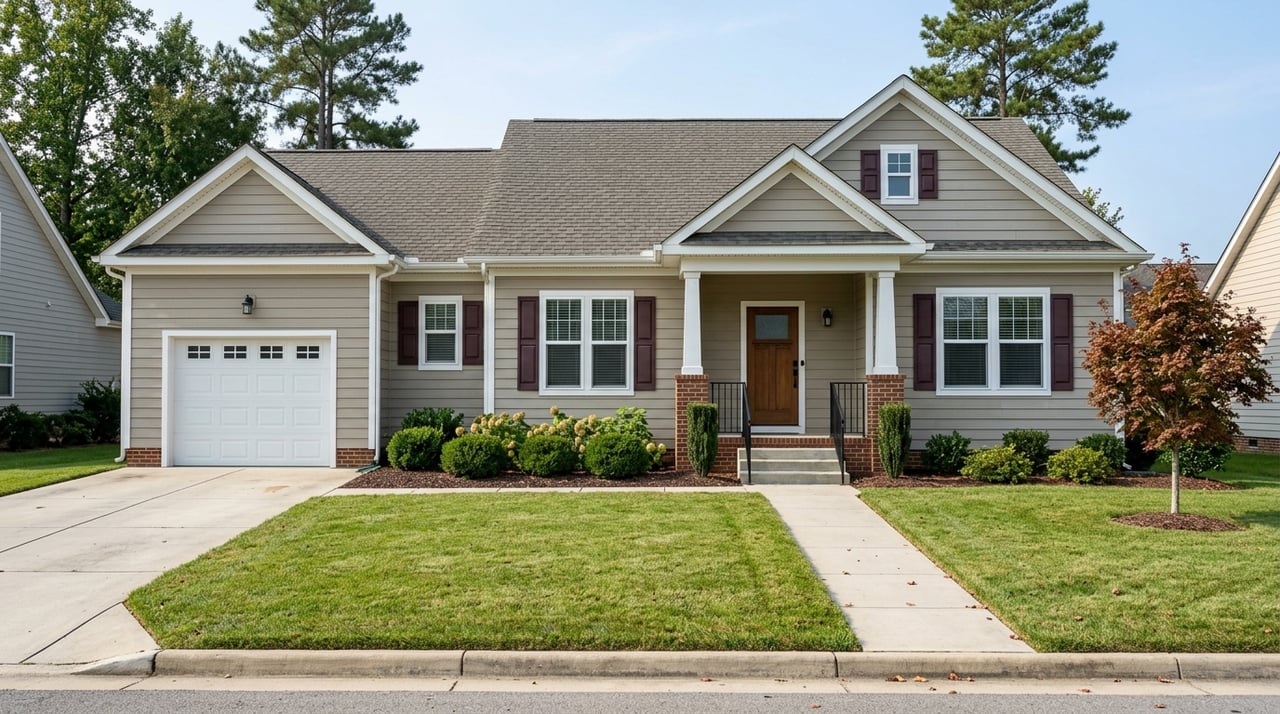
Milford is not a one-look housing market. That is important if you are comparing it with newer suburban areas where much of the housing stock follows a similar style and age range.
According to the Milford Historical Society, the historic district includes homes in Greek Revival, Italianate, Victorian Gothic, Queen Anne, Stick, Second Empire, Dutch Colonial Revival, American Foursquare, Bungalow/Craftsman, Tudor Revival, and Cape Cod styles. In plain terms, Milford offers a wider mix of home styles than many buyers expect.
Historic Core Appeal
If you are drawn to character, the historic core may be one of Milford’s strongest selling points. Older homes, varied architecture, and a downtown-and-trail setting can create a more distinctive experience than a typical subdivision layout.
The city brochure also points out that the downtown trail corridor passes a diverse mix of architecture. For buyers who want charm and a sense of place, that variety can be a major advantage.
More Conventional Suburban Options
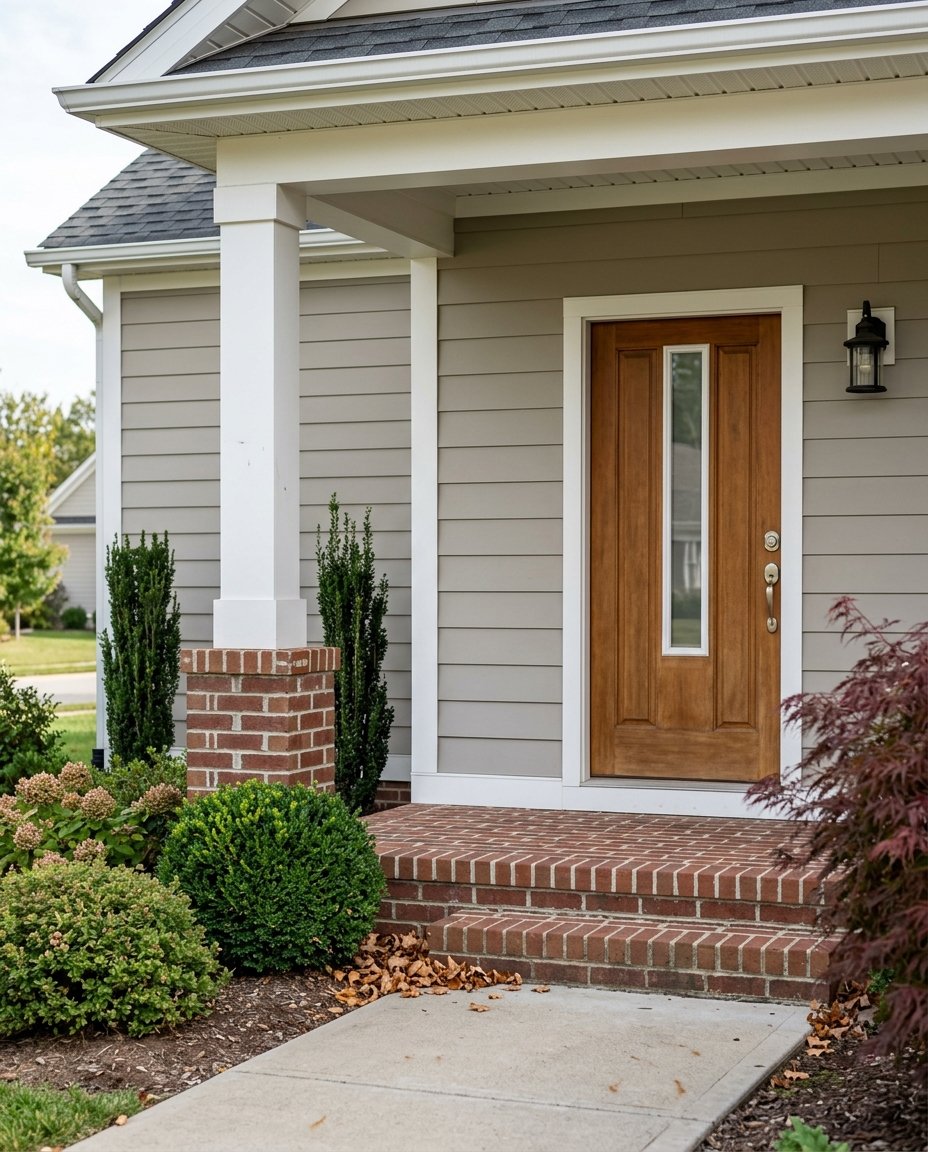
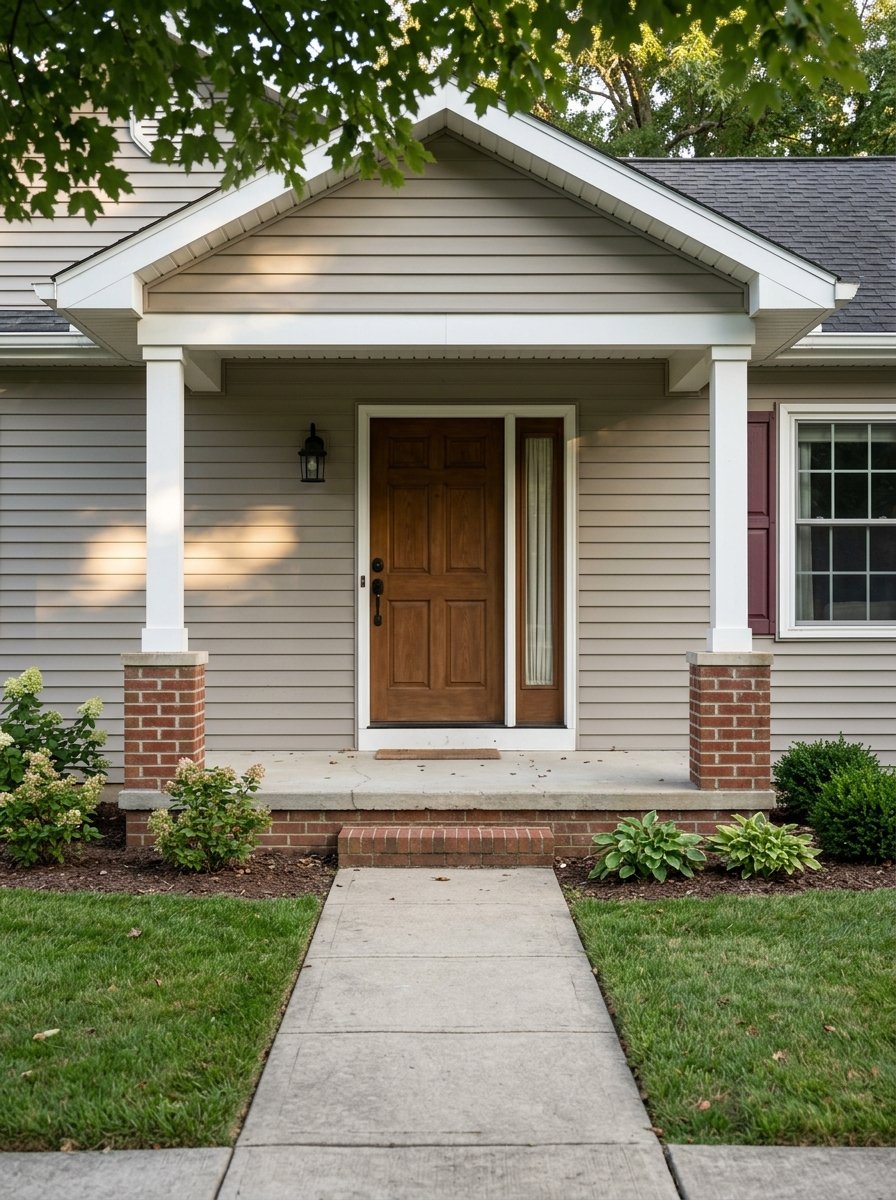
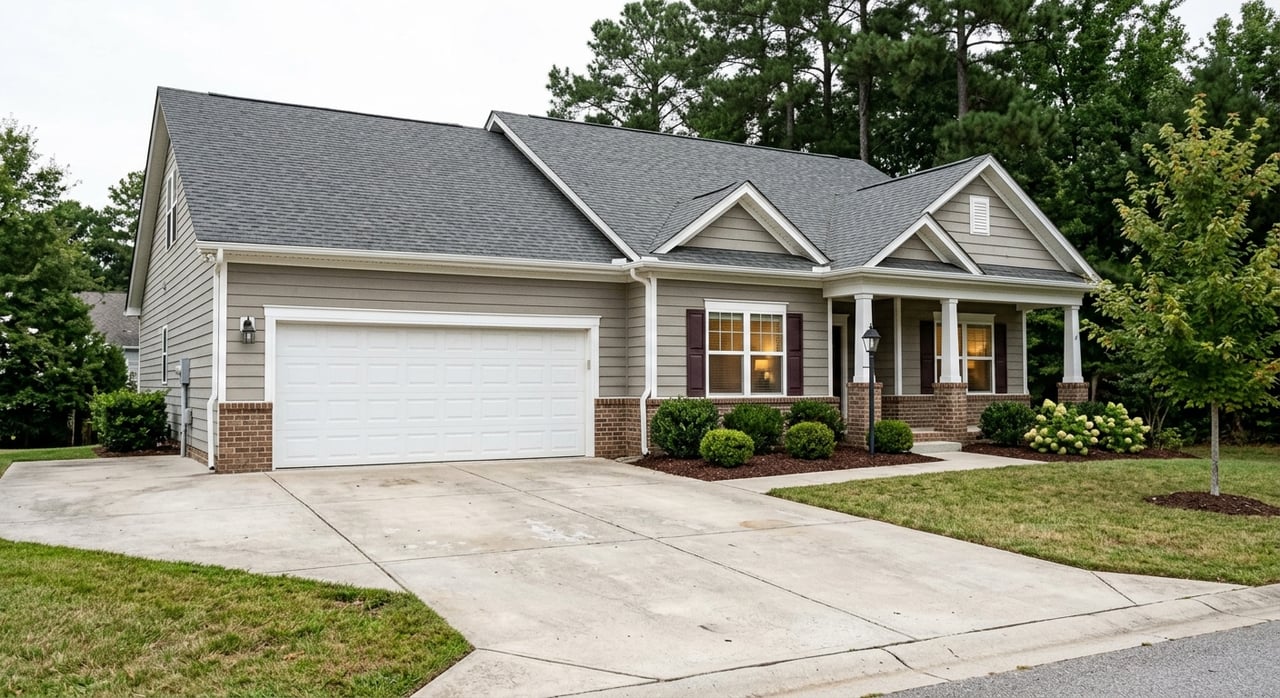
Milford is not only about historic homes. The broader area also gives you more conventional suburban housing choices, which can appeal if your priority is a more familiar layout, car-oriented access, or a simpler maintenance profile.
A regional planning snapshot described downtown Milford as a historic river town with boutique storefronts, while the U.S. 50 corridor reflected a more suburban retail pattern. Even though that planning description is older, it still helps explain the tradeoff many movers are weighing today: close-in character versus a more standard suburban setup.
Milford Housing by the Numbers
If you like to ground your search in data, Milford shows signs of a mixed housing market rather than a single dominant type. The same Census QuickFacts page reports a 49.6% owner-occupied housing rate, a median owner-occupied value of $238,700, and a median gross rent of $940.
That mix can be helpful whether you are planning to buy now, rent first, or relocate in stages. It suggests Milford has options for different budgets and timelines instead of serving only one kind of household.
Is Milford a Good Fit for You?
Milford can make sense if you want a relatively short drive to Cincinnati, a weekday transit backup, and a home base that feels more personal than purely suburban. It is especially appealing if you care about outdoor access, local character, and having a downtown area that adds something to everyday life.
It may be less appealing if you want a dense all-day transit network or a fully urban, walk-everywhere setup. In that case, Milford is better understood as a connected suburb with a distinctive small-town core, not an extension of downtown living.
How to Evaluate Milford Before You Move
If Milford is on your shortlist, it helps to visit with your real schedule in mind. Drive your likely commute route, check bus timing if transit matters to you, and spend time downtown after business hours so you can get a feel for the area when people are actually off the clock.
You should also compare the kind of home you want with the lifestyle you want. In Milford, that often means choosing between historic character near the core and more conventional suburban convenience farther out.
If you are weighing Milford against other Cincinnati-area suburbs, working with a local team can make the decision easier. The Ernst Team can help you compare neighborhoods, housing styles, and commute realities so you can find the right fit for your move.
FAQs
Is Milford, Ohio a good place to live if you work in Cincinnati?
- Milford can be a strong fit if you want a relatively short commute, direct highway access, and a lifestyle centered on trails, river access, and a small-town downtown setting.
How long is the commute from Milford to Cincinnati?
- Milford’s mean travel time to work is 20.2 minutes according to Census QuickFacts, and Travelmath estimates a typical drive to Cincinnati at about 23 minutes.
Are there public transit options from Milford to Downtown Cincinnati?
- Yes. Metro’s 29X Milford Express runs Monday through Friday and connects Milford with Downtown Cincinnati, though it is more schedule-dependent than driving.
What makes Milford different from other Cincinnati suburbs?
- Milford stands out for its location along the Little Miami River, access to the Little Miami Scenic Trail, and a historic core with a wide variety of architectural styles.
What types of homes can you find in Milford, Ohio?
- Milford offers a mix of housing that includes character-rich historic homes near the core and more conventional suburban options in the broader area.
Can The Ernst Team help with a move to Milford from Cincinnati?
- Yes. The Ernst Team offers residential buyer and seller representation and can help you evaluate Milford based on commute, lifestyle, and housing goals.