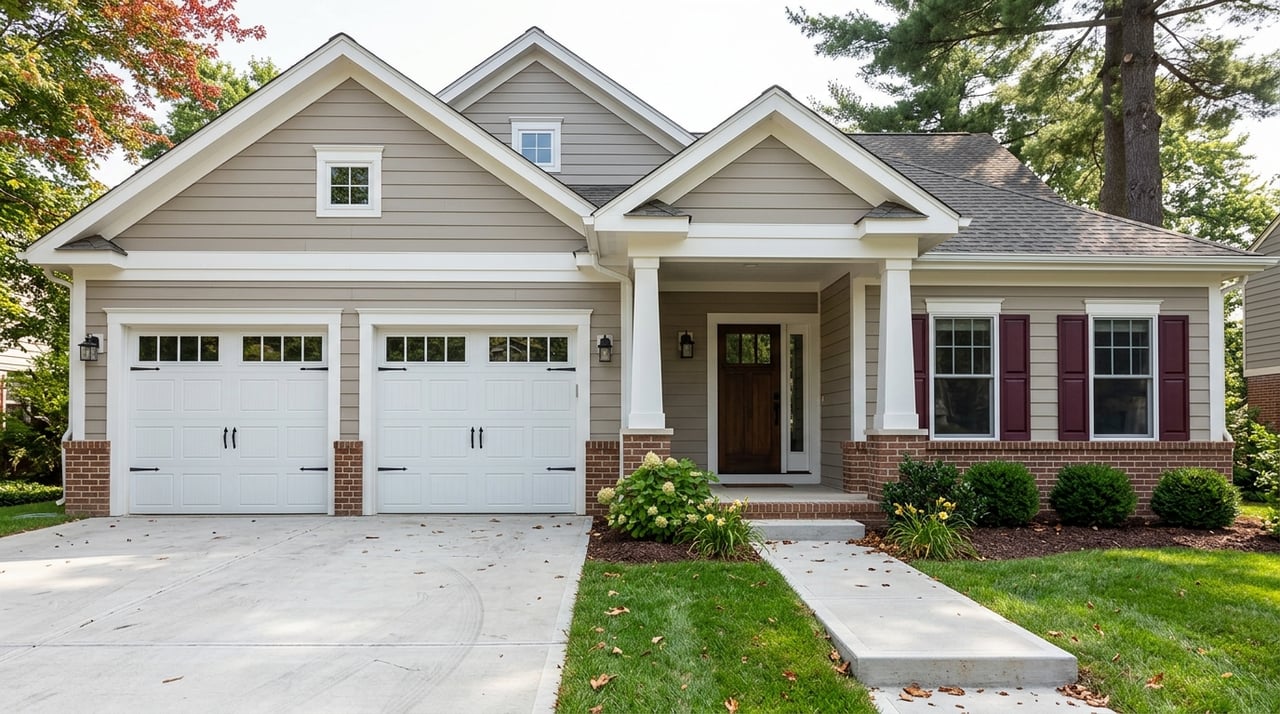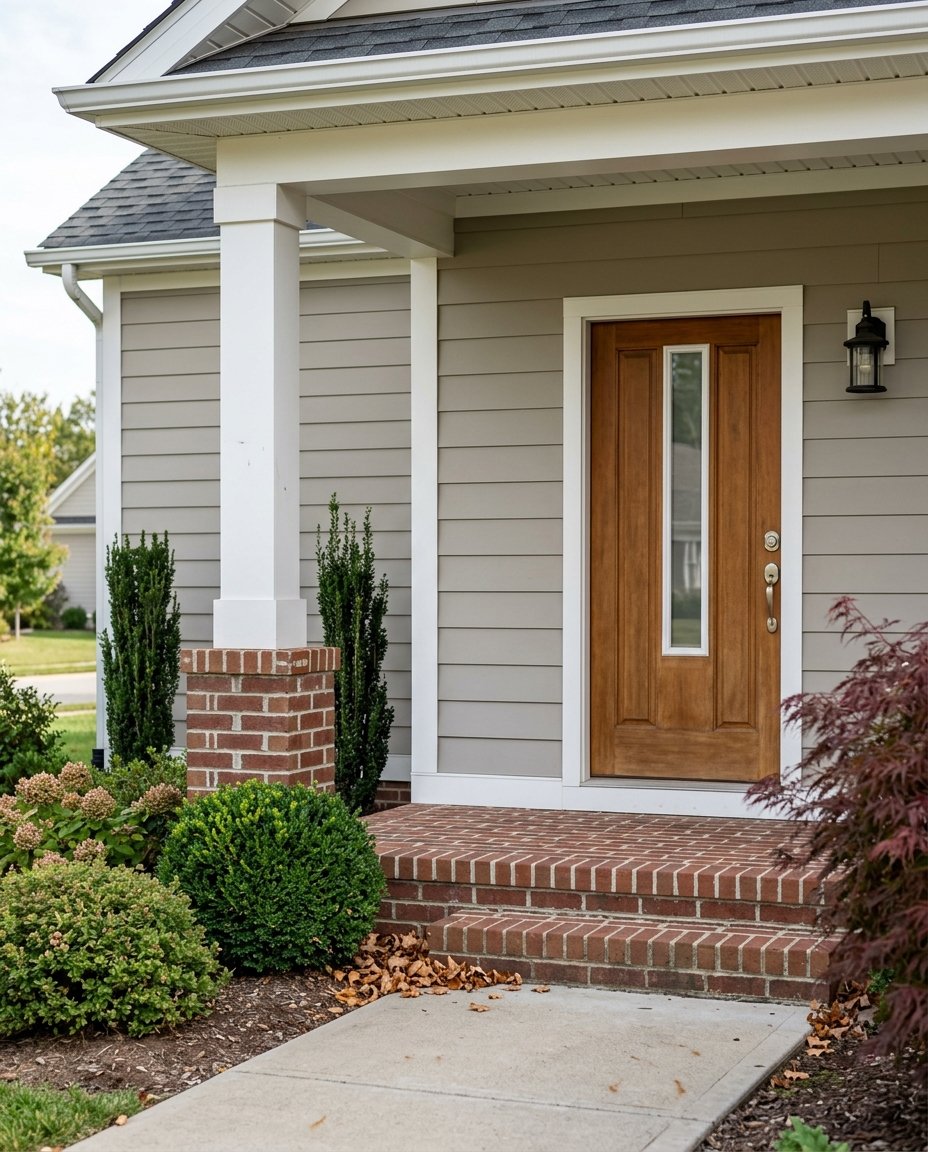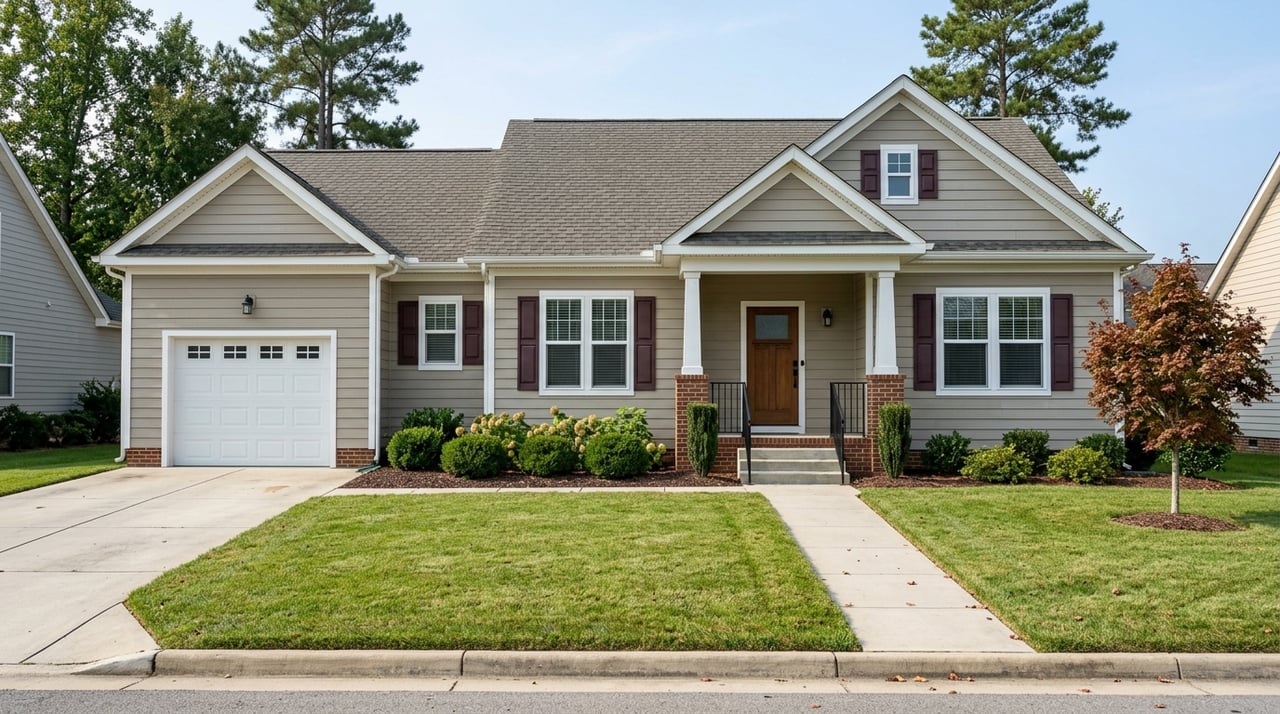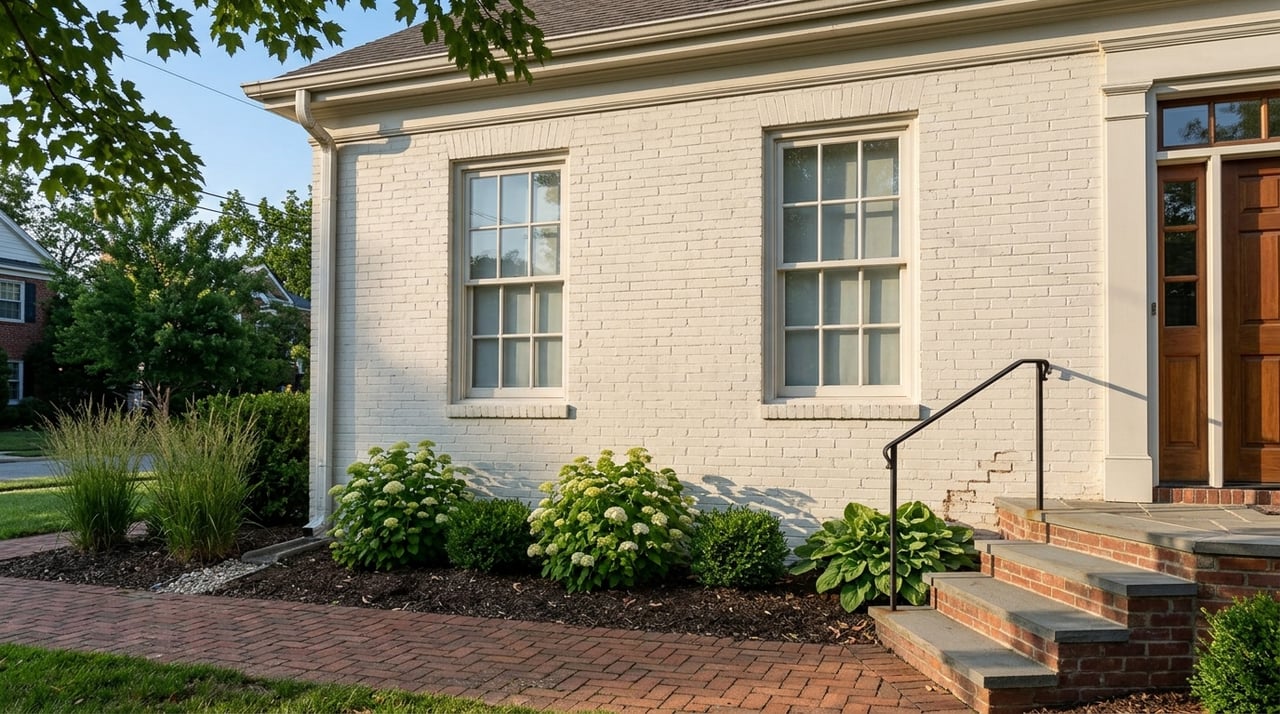
If you’ve ever fallen for a front porch, tall windows, or the kind of detail you just do not see in newer construction, Lebanon might already be on your radar. Historic homes here offer real charm, but they also come with responsibilities that can shape how you buy, update, and live in the property over time. Before you make an offer, it helps to understand what makes Lebanon’s historic housing stock special and what careful ownership really looks like. Let’s dive in.
Why Lebanon Historic Homes Stand Out
Lebanon is not a brand-new suburb built all at once. It is an established community with 21,501 residents, a median age of 38.5, and a median owner-occupied home value of $290,200, according to the ACS 2024 5-year estimates. That long-term stability is part of the appeal when you start looking at older homes here.
What makes the market especially interesting is its variety. Lebanon’s historic housing is not one look or one era. National Park Service materials describe a broad mix of styles, including Greek Revival, Italianate, Gothic Revival, Second Empire, Romanesque Revival, Queen Anne, Colonial Revival, bungalow, English Revival, and Usonian homes.
That means your search may include everything from a cube-shaped Greek Revival residence from the 1830s or 1840s to an early 20th-century bungalow or a revival-style home with later updates. In Lebanon, historic character often changes from block to block, which makes each showing feel a little different.
Lebanon’s Historic Areas Matter
If you are shopping for an older home in Lebanon, location matters almost as much as the house itself. City planning materials describe the core historic area around four districts: East End, Floraville, Lebanon Commercial, and North Broadway. These areas help tell the story of how the city developed over time.
It is also important to know that “historic” in Lebanon does not only mean very early 1800s homes. One 2025 planning packet discusses a structure on lots from the original 1802 plat that was built around 1910. That is a good reminder that the city’s historic core reflects multiple eras, not just one snapshot in time.
For you as a buyer, that layered history can be a big plus. It often means more architectural variety, more lived-in neighborhood character, and a stronger sense of place than you may find in a newer subdivision.
What the Architectural Review Overlay Means
One of the biggest things to understand before buying is whether a property sits within Lebanon’s Architectural Review Overlay, or ARO. The city’s zoning code says this overlay exists to preserve historic areas and buildings, maintain the scale and character of historic districts and neighborhoods, and support residents, tourists, and property values.
If a home is within the ARO, a certificate of appropriateness is required before new construction, reconstruction, rehabilitation, restoration, or other exterior modification. Ordinary maintenance and repair that do not change the exterior appearance are exempt. In simple terms, routine upkeep is treated differently from visible exterior changes.
This matters because your future plans may need review before work begins. If you are picturing new siding, replacement windows, a porch rebuild, or a major exterior addition, you will want to understand those rules early, not after closing.
What Buyers Should Look At First
When you tour an older Lebanon home, charm is easy to spot. The harder part is evaluating how the property has been maintained and updated over time. In many historic homes, the real story is in the mix of original materials and later improvements.
A smart first step is to pay close attention to the exterior envelope. Look carefully at porches, masonry, siding, windows, rooflines, and visible additions. These features can tell you a lot about whether changes were handled thoughtfully and whether the house still fits its original style and proportions.
Lebanon’s preservation standards emphasize compatibility in style, proportion, texture, and material. That makes exterior details especially important. Even if you love a home’s personality, you should still ask practical questions about visible prior work and what may need attention next.
Older Homes Are Usually a Mix of Old and New
Many buyers imagine finding a perfectly untouched historic home, but that is not usually how older properties work in real life. Lebanon’s standards make clear that these homes can remain functional while preserving exterior character. The city code specifically says that limited, sensitive upgrading of mechanical, electrical, and plumbing systems is appropriate within a restoration project.
That is good news if you want character without giving up basic comfort. It also means you should expect many homes to reflect a combination of original features, later repairs, and updated systems. A historic house is often less of a museum piece and more of an evolving property that has adapted over time.
As a buyer, that perspective can help you stay grounded. Instead of asking whether everything is original, ask whether improvements appear respectful to the home’s age and whether major systems have been modernized in a practical way.
Think Beyond the Purchase Price
Historic homes can pull you in emotionally, which is part of their appeal. But ownership tends to work best when you think beyond the offer price and plan for steady upkeep. In Lebanon, local historic designation does not replace the underlying zoning rules. It adds another layer of review.
That means long-term ownership may look more like thoughtful maintenance and phased improvements than one massive renovation. If you love the idea of restoring a home over time, that can be exciting. If you want total freedom to make fast exterior changes, it may feel more limiting.
Before you buy, it helps to think honestly about your timeline, budget, and patience. A house with character can be incredibly rewarding, but it usually asks for a more intentional approach.
Downtown Access Adds to the Appeal
For many buyers, the draw of Lebanon’s historic homes is not just the architecture. It is also the setting. City planning materials describe downtown as a place intended to support business, institutional, public, cultural, and residential uses while renewing the historic business area.
The city’s downtown vision also emphasizes a pedestrian-friendly atmosphere and residential choices that fit downtown character. If you like the idea of living near an established downtown, this can be a major part of the value. Historic-home living here often comes with a stronger connection to the daily rhythm of the city.
Anchors like the Golden Lamb, which has operated in downtown Lebanon since 1803 according to its official history, reinforce that sense of continuity. In Lebanon, buying an older home can mean buying into an established downtown culture, not just an individual property.
A Practical Lebanon Buyer Checklist
Before you move forward on a historic home in Lebanon, keep these points in mind:
- Confirm whether the property is in the Architectural Review Overlay.
- Ask what exterior work has been done and when.
- Review visible features like porches, windows, siding, masonry, and additions closely.
- Look for signs that updates fit the home’s age and overall character.
- Ask whether major systems have been upgraded over time.
- Factor in steady maintenance, not just upfront renovation plans.
- Consider how important downtown access and walkability are to your lifestyle.
This kind of prep can help you separate a home that is simply old from one that has been cared for in a way that supports long-term ownership.
Why Guidance Matters With Older Homes
Buying a historic home can be exciting, but it also comes with more layers than a typical move-in-ready purchase. You may be weighing charm against upkeep, location against future project plans, and emotion against practical costs. That is where experienced guidance can make a big difference.
A local team that understands design, renovation potential, and the rhythm of older-home ownership can help you ask better questions from the start. That does not take the character out of the process. It helps you enjoy it with more confidence.
If you are thinking about buying in Lebanon and want help evaluating a historic property with both heart and practicality, The Ernst Team is here to help.
FAQs
What makes Lebanon, Ohio historic homes different from newer homes?
- Lebanon historic homes often offer architectural variety, original details, and a location within established neighborhoods near the city’s historic core and downtown area.
What is the Architectural Review Overlay in Lebanon, Ohio?
- The Architectural Review Overlay is a local preservation tool that requires review for certain exterior changes in designated historic areas, while ordinary maintenance that does not change exterior appearance is generally exempt.
What architectural styles can you find in Lebanon historic districts?
- Buyers may see a range of styles, including Greek Revival, Italianate, Gothic Revival, Second Empire, Romanesque Revival, Queen Anne, Colonial Revival, bungalow, English Revival, and Usonian homes.
What should buyers inspect first in a Lebanon historic home?
- Buyers should pay close attention to exterior elements such as porches, windows, siding, masonry, rooflines, and additions, along with signs of how major systems may have been updated over time.
Are Lebanon historic homes usually fully original inside and out?
- Most older homes are a mix of original materials and later updates, so it is more realistic to look for thoughtful improvements than to expect a completely untouched time capsule.
Why do buyers like living near downtown Lebanon, Ohio?
- Many buyers are drawn to the pedestrian-friendly downtown setting, the mix of residential and cultural uses, and the established local character that comes with living near a long-standing city center.