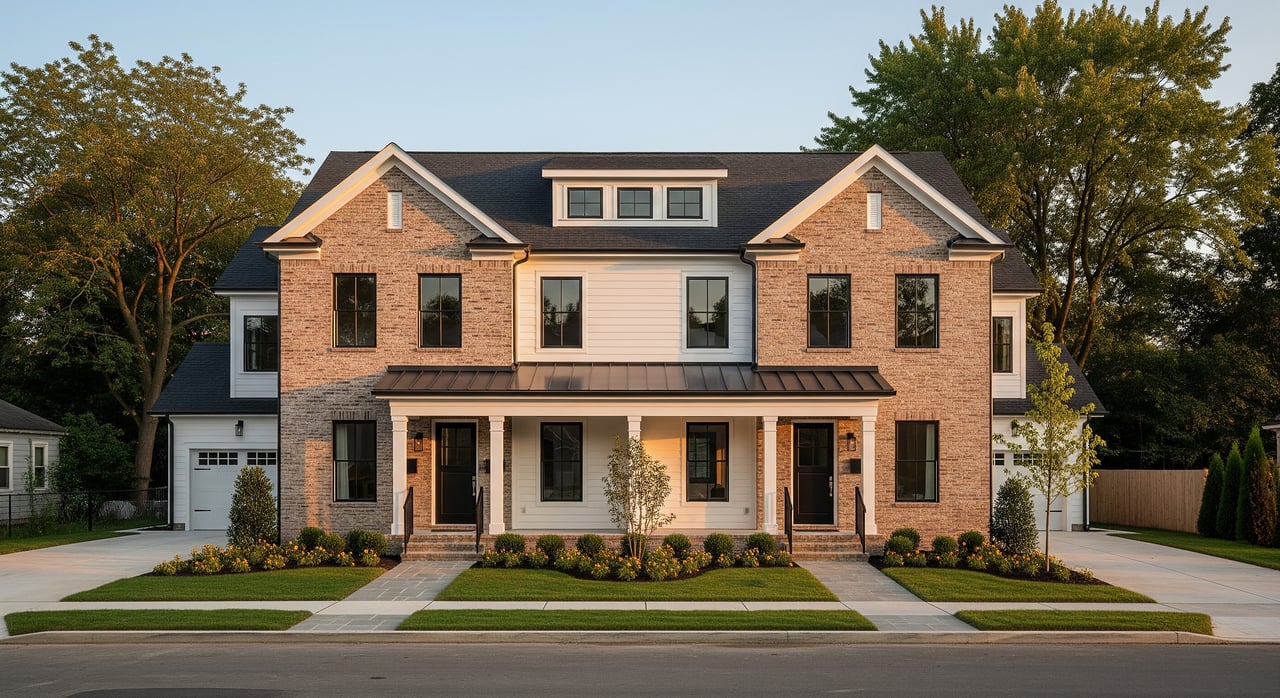
What if your first home could help pay your mortgage? If you are design minded or a first-time buyer thinking about a duplex in Pleasant Ridge in Union County, house hacking can be a smart path to build equity and lower monthly costs. You want clear steps, realistic numbers, and a plan that keeps you on the right side of financing and local rules. This guide walks you through financing options, expense modeling, renovation and rent-readiness, and where to verify the details before you buy. Let’s dive in.
What house hacking means here
House hacking is simple. You live in one unit of a duplex and rent out the other. Your tenant helps cover your mortgage and operating expenses while you build equity. In Union County, rules for two-unit properties can vary by township or municipality, so it is important to confirm what is allowed for the specific address you are considering.
Start with these checks:
- Confirm the property is a legal duplex, or that a conversion is permitted, with the Union County Planning and Zoning office or the local township or city building department.
- Ask the local building official about required permits for any electrical, plumbing, HVAC, structural, or unit-creation work.
- Review the parcel’s tax history and assessment with the Union County Auditor. Tax rates and special assessments can differ by area.
- Review Ohio landlord and tenant rules in the Ohio Revised Code, and check if your municipality requires rental registration or inspections.
Verify zoning and permits
Before you write an offer, verify the basics for the exact parcel:
- Duplex use and parking requirements
- Minimum lot size and unit layout standards
- Any local owner-occupancy requirement for two-unit properties
- Permit steps and inspection timelines for renovations
A 10-minute call to the building department can save weeks later. If you plan to convert a single-family home into a duplex, ask about fire separation, egress, and utility metering early.
Owner-occupant financing options
Buying a duplex as your primary residence opens more financing choices than non-owner purchases. Program rules change, so confirm the latest details with your lender.
FHA for 2–4 units
- FHA allows 1–4 unit owner-occupied purchases. You must occupy one unit as your primary residence and typically move in within about 60 days of closing.
- Minimum down payment is commonly 3.5 percent for credit scores of 580 or higher. Lower scores may require a larger down payment.
- FHA appraisals check minimum property standards and habitability. Significant issues may need repair before closing.
- Upfront and annual mortgage insurance premiums apply.
- FHA county loan limits vary. Use HUD’s county limit lookup to verify the current limit for Union County.
Conventional owner-occupied loans
- Some conventional products allow two-unit primary residences with lower down payments, often around 5 to 10 percent, depending on the product and your qualifications.
- Conventional loans can have stricter credit requirements but may offer lower long-term mortgage insurance costs or none at all with higher down payments.
USDA and state or local programs
- If the property sits in an eligible rural area, a USDA loan may offer zero down. Rules for two-unit properties vary, so confirm eligibility with your lender.
- The Ohio Housing Finance Agency and other local programs sometimes offer down payment assistance for owner-occupants. Confirm whether duplex purchases qualify.
What lenders review
Most lenders will look at the following:
- Credit, debt-to-income ratio, and cash reserves. Multi-unit purchases can require reserves equal to a few months of mortgage payments.
- Rental income treatment. FHA and conventional guidelines differ on how projected rent is counted. Some lenders need a signed lease or market rent documentation.
- Appraisal scope. Two-unit appraisals consider comparable sales and market rents and will evaluate if both units function as independent dwellings.
Pro forma basics and realistic assumptions
Build a conservative pro forma before you commit. Start with local rent comps for similar unit sizes in Pleasant Ridge and nearby Union County communities. Add real quotes for taxes, insurance, and utilities, then stress test the numbers.
Key line items to include:
- Mortgage principal and interest
- Property taxes based on Union County Auditor data
- Insurance for an owner-occupied multi-unit property
- Utilities you will pay, including water, trash, gas, and electric if not separately metered
- Property management, even if you self-manage. Budget a placeholder for your time or plan for an 8 to 12 percent management fee if you hire out
- Vacancy allowance at 5 to 10 percent of gross potential rent
- Maintenance and repairs. Use a rule of thumb like 1 percent of property value per year or 5 to 10 percent of rent
- Capital expenditures. Roofs, HVAC, and big-ticket systems need their own reserve
- Leasing and turnover costs, including cleaning, paint, minor repairs, and marketing
A simple framework:
- Gross potential rent: add the market rent for each unit.
- Less vacancy allowance: subtract 5 to 10 percent.
- Less operating expenses: taxes, insurance, utilities, repairs, management, and reserves.
- Net operating income: what remains before debt service.
- Cash flow before tax: NOI minus annual mortgage payments.
Metrics to keep you honest
- Debt service coverage: NOI divided by annual mortgage payments. Higher is better.
- Cash-on-cash return: annual pre-tax cash flow divided by total cash invested.
- Cap rate: NOI divided by purchase price. Helpful for comparisons, but remember owner-occupant financing and lifestyle benefits can change the picture.
Conservative planning helps. Use market rents validated by property managers, include at least one month of potential vacancy in year one, and keep an emergency reserve for surprises.
Renovation and code priorities
If you are converting or updating a duplex, focus on code and safety first, then design that supports durable rent and lower turnover.
Priorities to address early:
- Unit habitability. Each unit needs a functional kitchen, bathroom, and legal egress. Bedrooms must meet minimum size and egress standards.
- Fire and life safety. Smoke and carbon monoxide detectors, fire separation between units where required, and safe exits.
- Utilities and metering. Decide whether to separate gas, electric, and water. Separate meters simplify bills but add upfront cost.
- Soundproofing and privacy. Insulation, sealing penetrations, and solid-core doors improve tenant satisfaction and retention.
- Permits and inspections. Pull permits for structural, electrical, plumbing, and HVAC changes. Unpermitted work can stall financing and insurance claims.
- Lead paint in pre-1978 homes. Follow lead-safe work practices and disclosures.
Budgeting and design choices
- Get 2 to 3 bids from licensed contractors, and ask a local property manager which features renters value most.
- Handle roof, water intrusion, electrical safety, plumbing, and HVAC before cosmetic upgrades.
- Use durable, easy-to-maintain finishes. Modern kitchens, efficient appliances, and smart thermostats can boost rent, but weigh cost against proven rent increases in the area.
Rent-readiness checklist
Before you list a unit for rent, confirm:
- Occupancy permit if required by the jurisdiction
- Working HVAC, plumbing, and electrical systems
- Installed smoke and CO detectors and compliant egress
- Clear parking plan if applicable
- Required disclosures, including lead-based paint for pre-1978 properties
- Clean, photographed condition report
- Lease reviewed for Ohio law compliance
- Security deposit handling that meets state and local rules
- A screening policy consistent with fair housing laws
Team and timeline
Build a local team before you go under contract so you can move quickly and avoid surprises.
Suggested team:
- Real estate agent with duplex and owner-occupant experience in Union County
- Mortgage lender familiar with FHA 2–4 unit and conventional options
- Property manager for rent comps, tenant screening standards, and marketability
- Licensed contractor or architect who understands local permit workflows
- Home inspector experienced with multi-unit properties
- CPA or tax advisor for rental income, depreciation, and partial owner-occupancy planning
- Real estate attorney if you want lease or local regulatory review
Step-by-step plan:
- Confirm zoning and duplex legality for the exact parcel.
- Meet with at least two lenders to compare FHA versus conventional terms, down payment, reserve requirements, and rental income treatment. Ask about county loan limits and appraisal expectations.
- Collect market rent comps from property managers and the local MLS, then validate unit features that support those rents.
- Order a comprehensive inspection and get contractor estimates for repairs required by code or appraisal.
- Build a conservative pro forma using verified taxes, insurance quotes, utilities, vacancy, maintenance, management, and debt service.
- Confirm permit scope, fees, and inspection timelines with the local building department.
- If using FHA, plan for required repairs before closing and occupancy timing.
- Prepare your lease, screening criteria, and move-in documentation before marketing the unit.
Avoid common mistakes
- Relying on best-case rents. Validate with third-party comps and property managers.
- Underestimating repairs and code work. Budget for health, safety, and systems first.
- Skipping permits. Unpermitted changes can derail financing and resale.
- Ignoring reserves. Keep cash for vacancy and unexpected repairs.
- Missing owner-occupancy rules. Some loan products and local codes require you to live in one unit.
Next steps
If house hacking in Pleasant Ridge fits your goals, line up your lender, confirm zoning for the specific address, and map a realistic budget. A focused plan will help you move fast when the right duplex hits the market. If you want help sourcing on-market and off-market options, validating rents, and planning smart upgrades, reach out to The Ernst Team for a friendly, no-pressure consult.
FAQs
How does house hacking work for a Pleasant Ridge duplex in Union County?
- You live in one unit as your primary residence and rent the other, using the rent to offset your mortgage and operating costs while you build equity.
What financing options exist for an owner-occupied duplex in Union County?
- FHA and conventional loans are common for 2-unit primary residences, with FHA often allowing 3.5 percent down and conventional options varying by product and lender requirements.
Can I use projected rent to qualify for a Pleasant Ridge duplex loan?
- Lenders differ. Some allow a portion of market rent with documentation or a signed lease, while others require more history. Ask your lender how they treat rental income.
What permits do I need to convert a single-family home into a legal duplex in Union County?
- Permit needs vary by township or municipality, but structural, electrical, plumbing, HVAC, fire separation, and egress often require permits and inspections.
What expenses should I include in a duplex house-hack budget for Union County?
- Mortgage payments, taxes, insurance, utilities, vacancy, maintenance, capital reserves, management fees, and leasing or turnover costs.
How soon must I move in if I use FHA financing on a duplex in Union County?
- FHA generally requires you to occupy the property as your primary residence, typically within about 60 days of closing. Confirm timing with your lender.