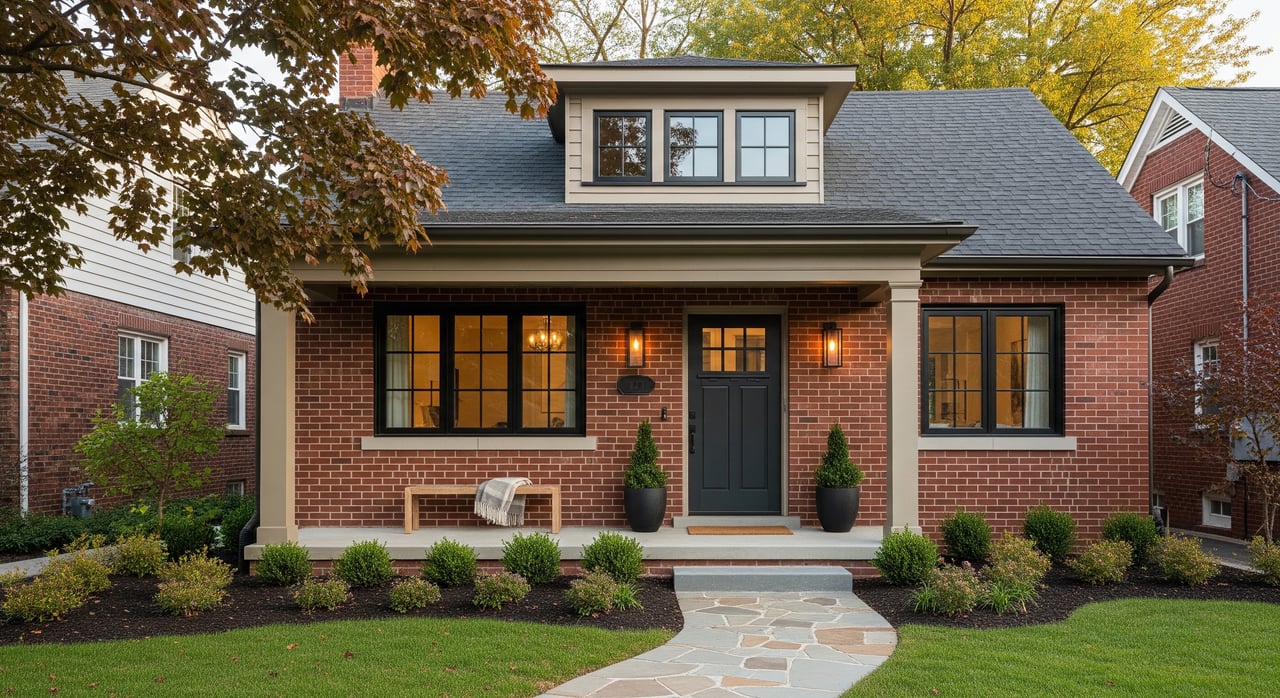
Thinking about selling your older Pleasant Ridge home but not sure if you should update it first or list it as-is? You are not alone. Many local homes have great character along with older kitchens, baths, and systems that make this decision tricky. In this guide, you will learn how buyers in Pleasant Ridge typically respond to condition, what projects matter most, what costs and timelines to expect, and a simple framework to choose your best path. Let’s dive in.
Pleasant Ridge market context
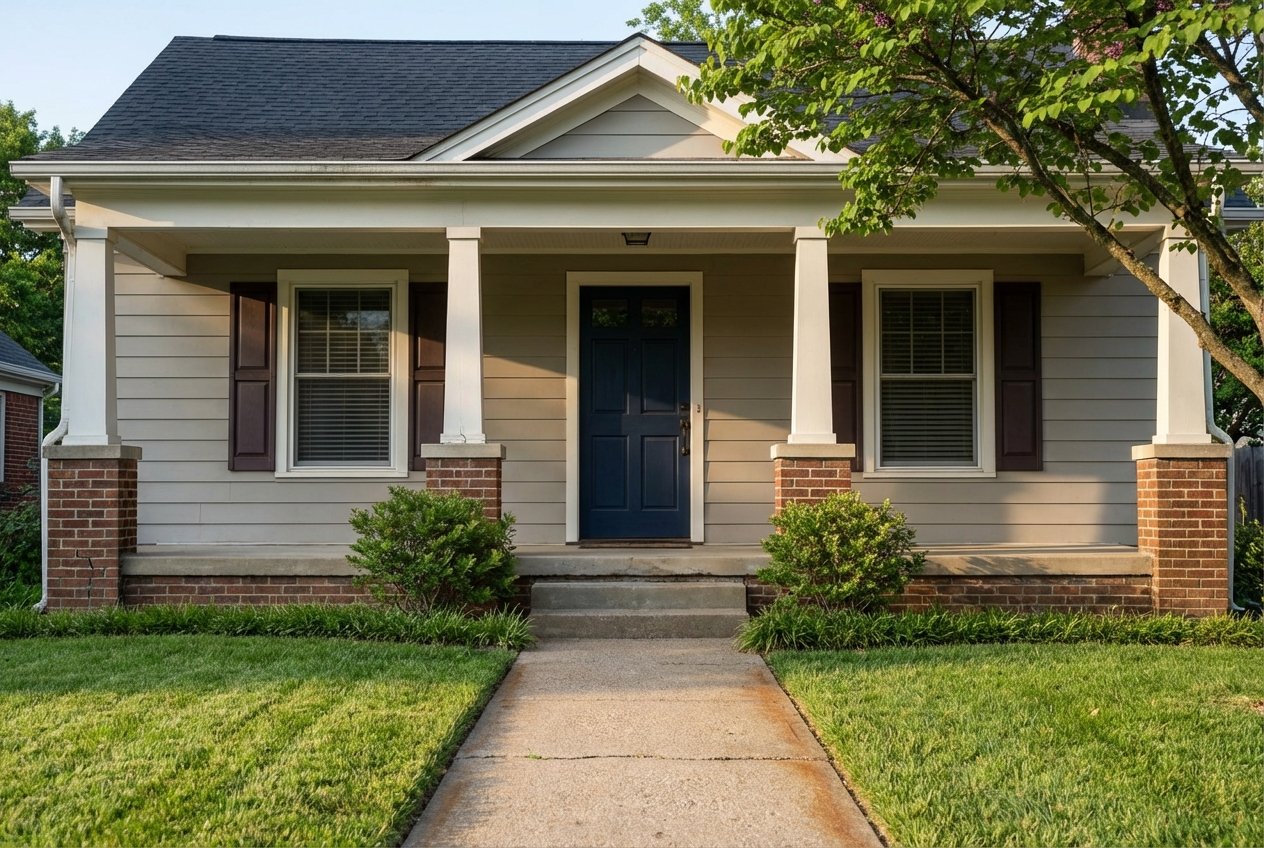
Pleasant Ridge includes many early to mid-20th-century homes with original millwork, smaller kitchens, and aging mechanicals. These homes tend to attract two buyer groups: owner-occupants who love character but want modern function, and investors or DIY buyers who want a lower price and will handle upgrades. In many older-home neighborhoods, buyers expect safe, reliable systems and a functional kitchen and baths.
Before you choose to renovate or sell as-is, check your local data. Look at recent comparable sales for similar age, size, condition, and lot. Note average days on market and list-to-sale price trends for updated homes versus dated ones. Also confirm whether there are any local code or historic-district rules that might affect your plans.
Update vs. as-is: quick framework
Start with safety and systems
Address roof leaks, electrical hazards, failing HVAC, plumbing issues, and active foundation problems first. These items limit your buyer pool and can create lender or appraisal issues, especially for FHA or VA loans that have minimum property standards for health and safety.
Consider buyer pool and financing
Turnkey or mostly updated homes often sell faster and draw more owner-occupant interest. Sound but dated properties can still sell, usually at a discount that reflects renovation costs and risk. Homes with significant deferred maintenance tend to attract investors or bargain buyers, and some loans may require repairs before closing.
Do the math on ROI
Estimate your likely price uplift if you update compared to selling as-is. Subtract all renovation costs, carry costs, and selling expenses to see your net. If the net gain is small or negative, selling as-is may be the smarter move.
- Expected sale price after updates
- Minus renovation and permit costs
- Minus holding costs, utilities, taxes, insurance
- Minus staging, photography, and selling costs
- Compare to your as-is net to decide
When to invest before listing
Update before listing when the work fixes safety or system issues, when local comps show a clear premium for updated kitchens and baths, and when the renovation cost is reasonable compared to the likely price lift. This is often the right path if you can manage the timeline, you are not facing historic design approvals, and the upgrades are straightforward.
High-impact, low-cost refreshes
You do not always need a full remodel to make a difference. Targeted updates can boost appeal and reduce days on market.
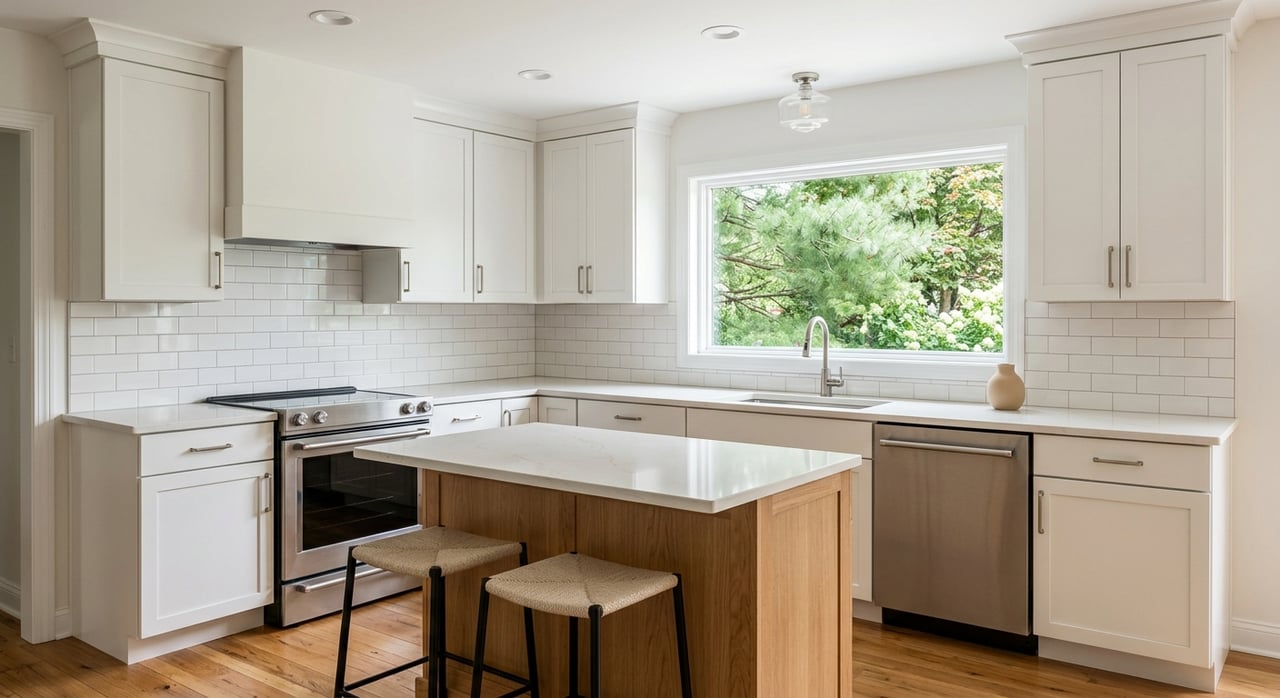
- Kitchen refresh: paint cabinets, update hardware, add a new backsplash, swap dated counters, and consider newer appliances. Timelines often run 1 to 3 weeks for small projects, and costs typically land in the low five-figure range depending on scope.
- Bathroom refresh: update a vanity, tile, lighting, and fixtures. Timelines often run 1 to 4 weeks, with mid four- to low five-figure costs based on materials and labor.
- Lighting and paint: modern, consistent lighting and fresh neutral paint can help buyers focus on space and character.
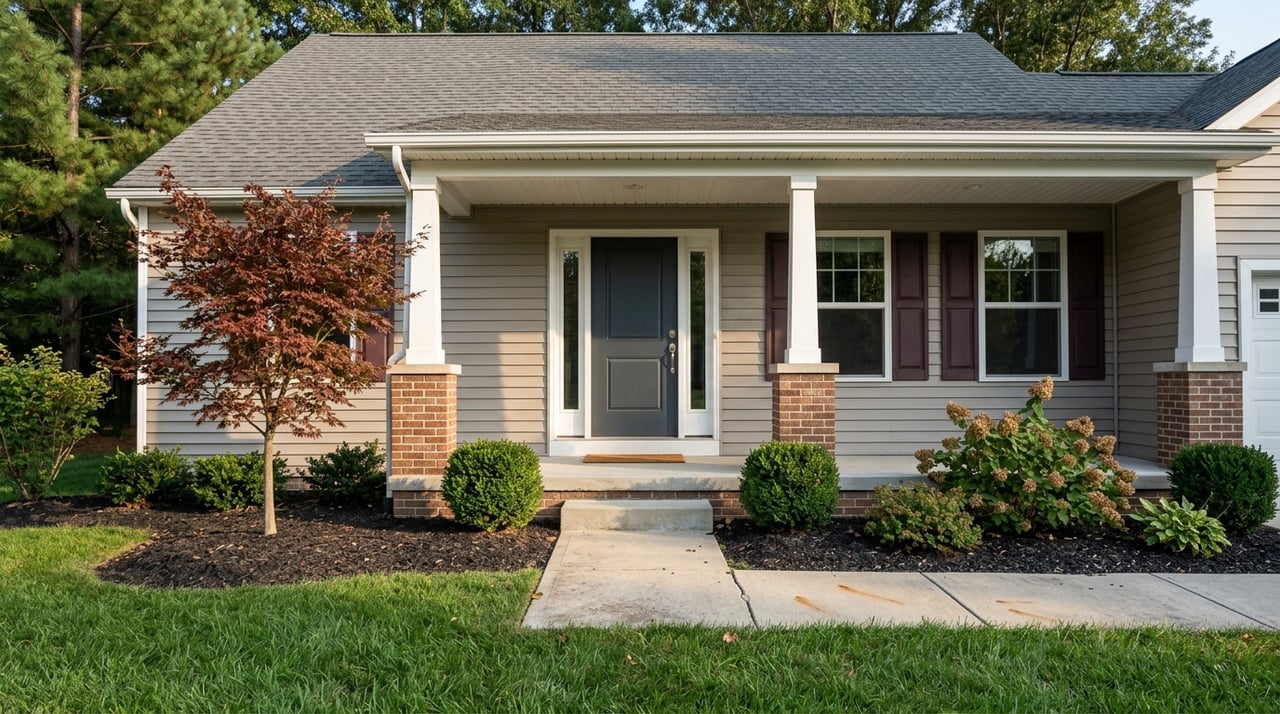
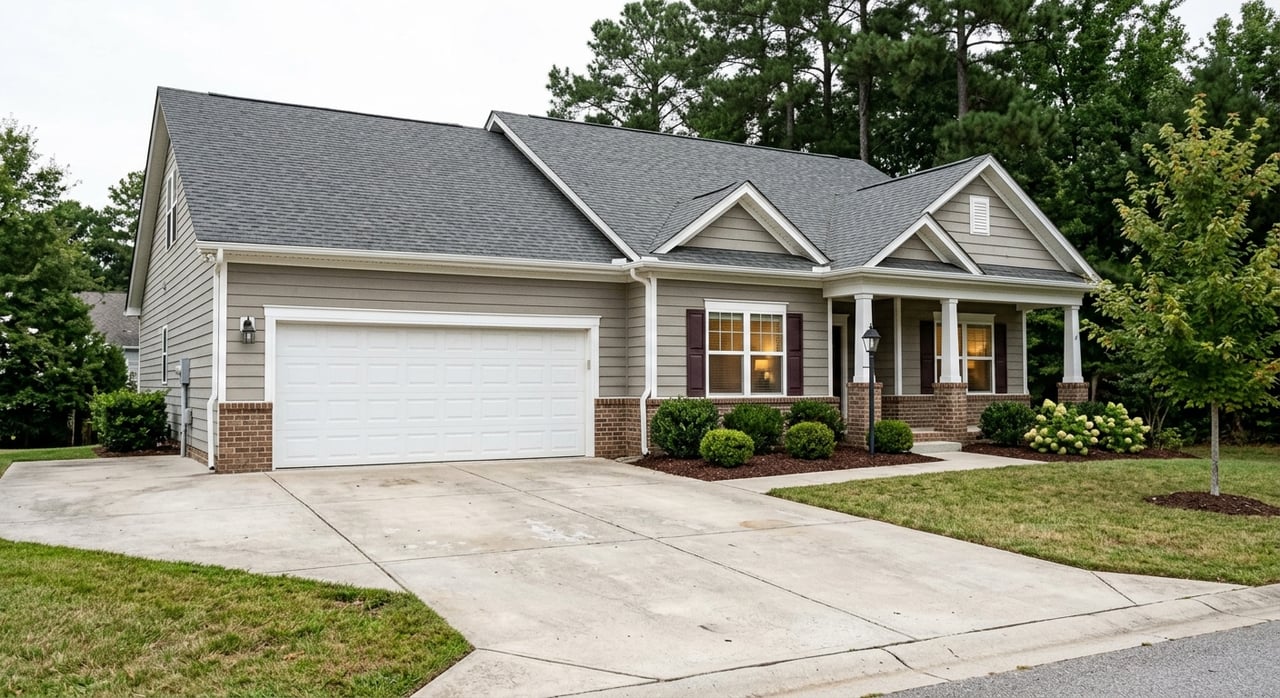
- Curb appeal: clean landscaping and a tidy entry help your photos and first impressions.
When selling as-is makes sense
Selling as-is works best when repairs are large or specialized and the expected price gain will not cover the cost, when the market is strong enough to support investor interest, or when you need a faster sale with minimal work. In this path, you disclose known issues, price for condition, and focus on clean presentation and clear marketing.
Middle-ground strategies
If full renovations are not practical, consider a hybrid approach.
- Complete only code, safety, and system fixes, then sell the rest as-is.
- Offer buyer credits for chosen upgrades after closing.
- Price competitively and market both owner-occupant potential and investor upside.
Project costs and timelines
Every home is unique, so get local contractor bids. These ballpark notes can help your first-pass planning.
- Minor kitchen refresh: often low five-figure costs, 1 to 3 weeks.
- Full kitchen remodel: typically tens of thousands or more, 4 to 8 or more weeks.
- Bathroom refresh: mid four- to low five-figure costs, 1 to 4 weeks.
- New roof: multiple thousands depending on size and material, 1 to 3 days to install plus inspections.
- HVAC replacement: several thousand dollars, 1 to 3 days.
- Electrical panel upgrade: a few thousand dollars, 1 to 2 days plus inspection.
- Foundation repairs: highly variable, obtain specialist quotes.
Use regional Cost vs. Value benchmarks and national buyer preference studies for context, then compare with Pleasant Ridge comps to estimate what your market will support.
How condition impacts price and time
Updated homes usually earn a higher price per square foot and attract more competitive offers. Sound but dated homes tend to sell below turnkey prices by an amount that reflects expected renovation costs and risk. Homes with significant defects can face longer timelines, inspection issues, and financing hurdles.
Appraisers adjust for condition and comparables. A pre-listing inspection can help you understand likely repair requests, plan credits, and avoid surprises that could delay or reduce your net.
Inspections, appraisals, and disclosures in Ohio
A pre-listing home inspection can clarify what needs attention and strengthen your pricing strategy. Remember, selling as-is does not remove your duty to disclose. Ohio sellers must disclose known material defects. Buyers using FHA or VA loans may require certain health or safety issues to be fixed before closing. Conventional loans can be more flexible on cosmetic condition, but the home must still be marketable and safe.
Simple seller worksheet
Use this quick exercise to compare your options.
- Get a neighborhood-specific valuation from an agent experienced with older Pleasant Ridge homes.
- Order a pre-listing inspection and any specialist evaluations needed for roof, chimney, HVAC, plumbing, or foundation.
- Gather two to three contractor bids for critical fixes and optional updates.
- Estimate your price after updates using local comps. Subtract renovation, carry, staging, and selling costs to find your net. Compare to your as-is net.
- Choose a path: full updates, targeted refresh and list, or sell as-is and price for condition.
- If selling as-is, prepare full disclosures, consider providing the inspection report, and present investment potential clearly.
- Align on staging, photography, and marketing. A clean, decluttered, well-lit home shows better in any condition.
Your next step in Pleasant Ridge
If you want help running the numbers or prioritizing projects, you do not have to guess. Our team pairs renovation and design insight with local market data so you can make a confident decision that fits your timing and budget. When you are ready, connect with The Ernst Team to map your best path to market and maximize your outcome.
FAQs
What should Pleasant Ridge sellers update first?
- Start with safety and key systems, such as roof, electrical, HVAC, and plumbing, then consider targeted kitchen and bath refreshes if the numbers make sense.
How do I know if updates will pay off?
- Compare the price premium for updated comps with real contractor bids, then subtract renovation, holding, and selling costs to see if your net improves.
Can I sell my Pleasant Ridge home as-is?
- Yes, many sellers do, but you must still disclose known material defects and be ready to price for condition or offer repair credits.
Will FHA or VA buyers have issues with an older home?
- Possibly, if there are health or safety concerns, such as major leaks or unsafe electrical, some items may need correction before closing.
How long do common updates take?
- Small kitchen and bath refreshes can take 1 to 4 weeks, while full kitchen remodels may take 4 to 8 or more weeks depending on scope and permits.