Thinking about a move to Pleasant Ridge and want a clear picture of day-to-day life before you arrive? You’re not alone. Many transferees are drawn to this east‑side Cincinnati area for its character, convenience, and classic housing. In this guide, you’ll get practical steps to verify commute options, understand housing and costs, plan a remote home search, and set up utilities so your relocation feels smooth. Let’s dive in.
Pleasant Ridge snapshot
Pleasant Ridge is commonly known as an east‑side Cincinnati neighborhood with an urban‑suburban feel and a walkable commercial core. Because several places in Ohio share the name, start by confirming the exact municipal status and boundaries for the address you’re considering. Jurisdiction affects police and fire coverage, trash pickup, water and sewer providers, permitting, and school district assignments.
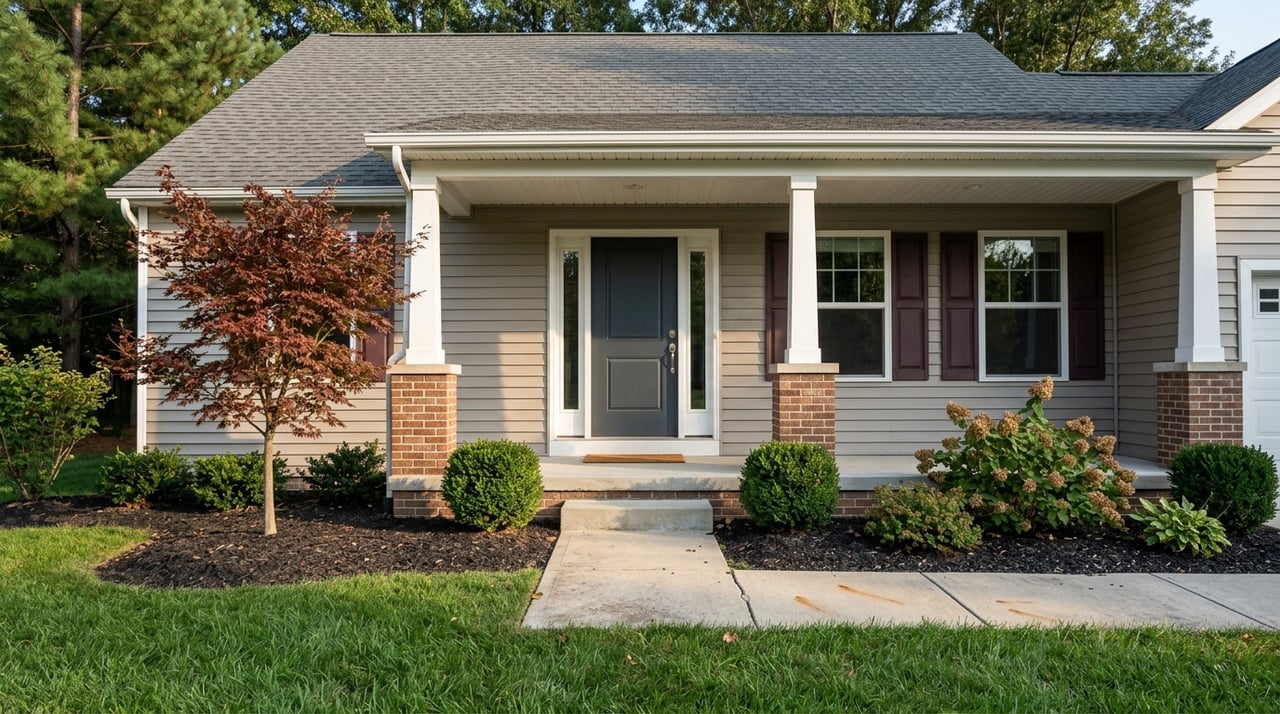
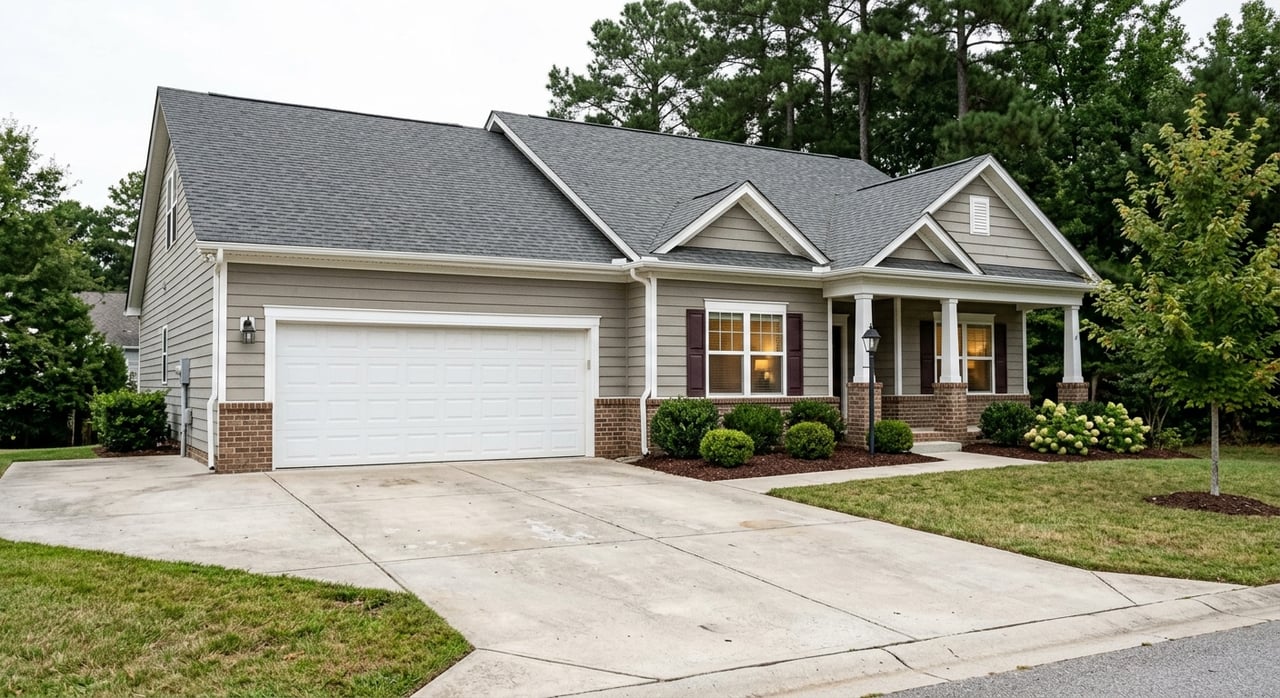
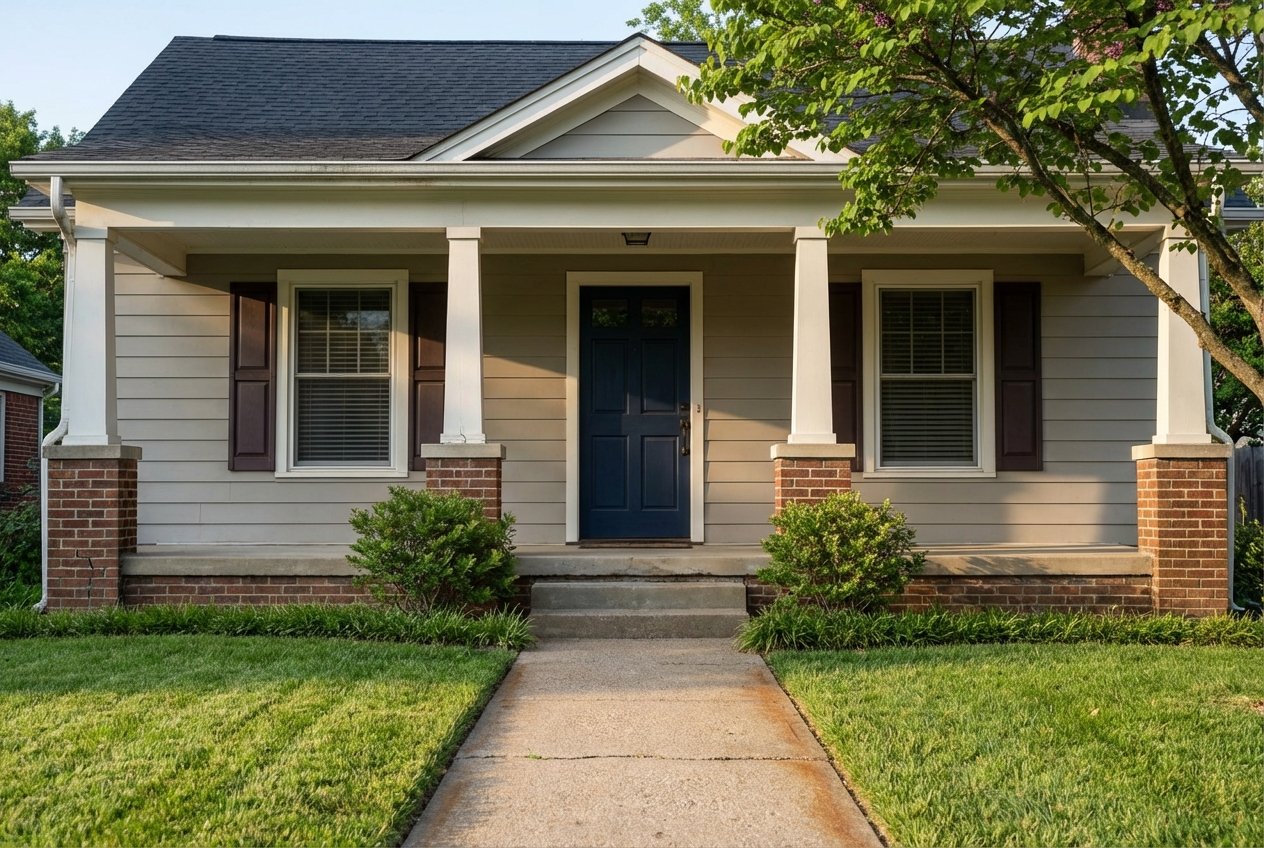
Older single-family homes are common here. You’ll often see early 1900s bungalows, foursquares, and Colonials alongside duplexes and a few infill builds. Lots tend to be modest compared with outer suburbs, which helps with walkability and yard maintenance. Expect a mix of long‑term owners and renters.
Commute and transit basics
Pleasant Ridge sits along several of the east side’s main travel corridors. Common routes in this part of the metro include I‑71, I‑275, and arterial roads such as Montgomery Road. Your exact commute will depend on your address and destination, so test sample drives during peak and off‑peak windows using a navigation app.
- Typical experience for east‑side neighborhoods: about 15 to 30 minutes to downtown Cincinnati during non‑peak times, with longer windows at rush hour. Use a range, not a single number, and test both morning and evening.
- Transit: The regional bus system (SORTA/Metro) operates routes that serve east‑side neighborhoods. Check weekday versus weekend frequency, nearest stops, and any park‑and‑ride options that fit your schedule.
- Parking: If you plan to park near a business district or a multifamily building, confirm whether street parking has time limits or permits. Ask about guest parking for visitors and contractors.
Parks, recreation, and lifestyle
Pleasant Ridge‑area residents often enjoy neighborhood parks and playgrounds for quick outings and larger regional parks within a short drive for trails and sports fields. Before you move, review the city parks map to pinpoint nearby green space, ballfields, dog areas, and picnic shelters.
- Recreation hubs: Look for community centers, YMCA branches, fitness studios, and youth programs. If you run or cycle, check for bike lanes and established running routes.
- Events and community: Neighborhood civic councils and community groups are good places to learn about block events, markets, and volunteer opportunities that help you plug in fast.
Shopping, dining, and daily errands
A key draw of Pleasant Ridge is the walkable commercial strip many residents use for dining and everyday services. Map your daily errands to see how the area fits your routine.
- Groceries and essentials: Identify your nearest full‑service supermarket, a specialty grocer if you prefer one, a pharmacy, and a hardware store.
- Dining and cafes: The core business district features restaurants, bars, and coffee shops. Walk it once to see what’s within an easy stroll of homes you like.
- Bigger retail runs: East‑side residents often use regional retail nodes such as Kenwood or Montgomery for larger shopping trips. Verify drive times from your exact address.
Schools and enrollment steps
School assignments depend on jurisdiction and exact address. District boundaries can change, so verify before you sign a lease or contract.
- Confirm the public school district that serves your property and review the district’s enrollment process and required documents.
- If you’re considering private or parochial schools, check application deadlines and transportation options.
- For a balanced view, consult the district’s official report cards and boundary maps, and schedule school tours when possible.
Housing types and what to expect
You’ll see an array of early 20th‑century homes, small‑lot single‑family properties, and some multifamily options near commercial corridors. That character is part of the appeal, but it also means doing your homework on condition.
- Common inspection items: roof age, foundation and settling, electrical panel capacity, HVAC age and efficiency, window condition, and past water intrusion. Ask for permits on major updates.
- Ownership versus rental: Expect a mix of tenure. Use Census data or county records to understand how many homes are owner‑occupied versus rented in the blocks you prefer.
- Pricing and trends: Pull the latest 12‑month median sale price, days on market, and inventory from local MLS or Realtor association reports. Compare the trend to the broader Cincinnati metro to gauge pace and competition.
Taxes, insurance, and carrying costs
Carry costs vary by property. Build a simple worksheet so you can compare apples to apples.
- Property taxes: Use the county auditor’s website to review the current assessed value, millage, and recent tax history for any address you’re considering.
- Insurance: Older homes can carry different insurance profiles depending on electrical and roof systems. Ask your insurer for a quote early, then revisit after the inspection if you plan upgrades.
- HOA or condo dues: If you’re looking at a condo or a planned community, request the most recent budget, reserve study, rules, and any pending assessments.
Remote tours and buying from afar
If you’re relocating, a strong remote process can save you time and surprises. Set expectations with your agent and the listing side before you tour.
- Ask for: a live video walk‑through, a recorded tour, and a full exterior viewing that shows the street, driveway, yard, and neighboring structures.
- Request documents: high‑resolution photos, a measured floor plan, the seller’s property disclosure, the last 2 to 3 years of utility bills, and a list of permitted work.
- Q&A topics: typical street noise, sun exposure during the day, cell coverage and internet providers, and parking logistics for you and guests.
- Trusted pros: line up a local home inspector, a contractor for estimate ranges, and a title company or real‑estate attorney. Confirm whether your closing and notarization can be completed electronically or with a local notary.
Timing your move
Seasonality can influence both inventory and pricing. Your timing should match your family’s needs and your employer’s transfer window.
- Peak season, May to August: more listings and energy, plus easier school transitions, but more competition and potentially higher prices.
- Off‑peak, fall and winter: fewer options, but often less competition and more negotiability.
- School calendar: if a public school start date matters, confirm enrollment requirements and proof‑of‑residency rules before you finalize a close date.
Utilities and services setup
Utility providers depend on jurisdiction and exact service area, so confirm based on the address. In the Cincinnati region, common providers include Duke Energy for electric and Cincinnati Water Works for water, though coverage varies by location. Natural gas and wastewater providers can differ by block.
- Steps to take: confirm electric, gas, water, wastewater, and trash service; ask about connection timelines and any deposits for new accounts.
- Internet: verify available providers and speeds on the specific street before you sign.
- Moving permits: check for any parking or street‑use permits for moving trucks, and whether temporary no‑parking signs are required on narrow streets.
A quick move‑in checklist
Use this list to stay organized as you compare addresses and plan your arrival.
- Verify municipal status and police, fire, and sanitation services for the exact address.
- Test commute times at peak and off‑peak for work, school, and childcare.
- Map groceries, pharmacy, urgent care, banking, and your favorite fitness or childcare options.
- Confirm the school district, enrollment steps, and any deadlines.
- Pull recent market data for pricing, days on market, and inventory.
- Schedule a thorough inspection and budget for common updates in older homes.
- Line up utilities, internet, and any move‑day parking permits.
How The Ernst Team helps
You deserve a move that feels calm, informed, and well‑timed. Our family‑led team pairs neighborhood knowledge with practical design and construction expertise to help you see potential, avoid costly surprises, and settle in confidently. We provide full‑service representation for buyers and sellers, relocation guidance, rental and property‑management support, investment property insight, and new‑construction consulting. If you are moving from out of the area, we’ll coordinate virtual tours, connect you with trusted inspectors and contractors, and keep communication clear at every step.
Ready to explore Pleasant Ridge with a local, hands‑on guide? Schedule your free consultation with The Ernst Team.
FAQs
How long is the commute to downtown Cincinnati?
- Many east‑side residents report 15 to 30 minutes during non‑peak times, but you should test your exact route at morning and evening rush hours for a reliable range.
What housing styles are common in Pleasant Ridge?
- You’ll often find early 1900s bungalows, foursquares, and Colonials, plus some duplexes and occasional infill construction on smaller urban lots.
Which school district serves Pleasant Ridge addresses?
- School assignments depend on exact jurisdiction and address, so verify the district and boundary map directly and confirm enrollment requirements before you move.
Are there walkable amenities and dining options?
- The core business district offers dining and services in a walkable setting, but you should map your daily errands to confirm what is within an easy stroll of your home.
How safe is the area around Pleasant Ridge?
- Safety data varies by block and jurisdiction; review recent crime statistics from the local police or public safety portal to understand trends near the addresses you’re considering.
Should I buy or rent first when relocating here?
- Compare current median sale prices, days on market, and local rents, then weigh carrying costs and your timeline; off‑peak seasons may offer more negotiability but fewer options.