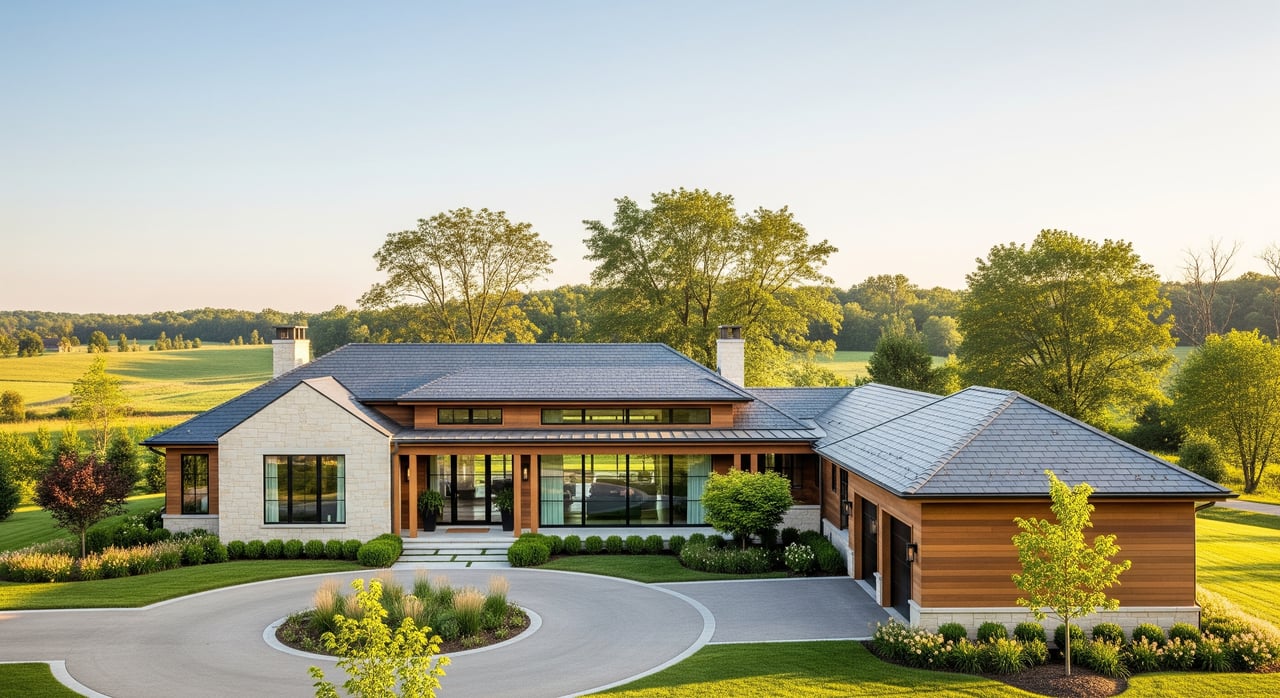
Thinking about one-level living in Lebanon and wondering where ranch homes actually show up? You are not alone. Many buyers, especially downsizers and 55+ movers, want fewer stairs, a simpler layout, and manageable yards without giving up comfort or location. In this guide, you will learn where ranch homes tend to cluster around Lebanon, what features and lot sizes to expect, how pricing generally stacks up, and how to search smart. You will also get a practical aging-in-place checklist and typical retrofit cost ranges so you can plan with confidence. Let’s dive in.
Where ranch homes cluster in Lebanon
Mid‑century neighborhoods near the core
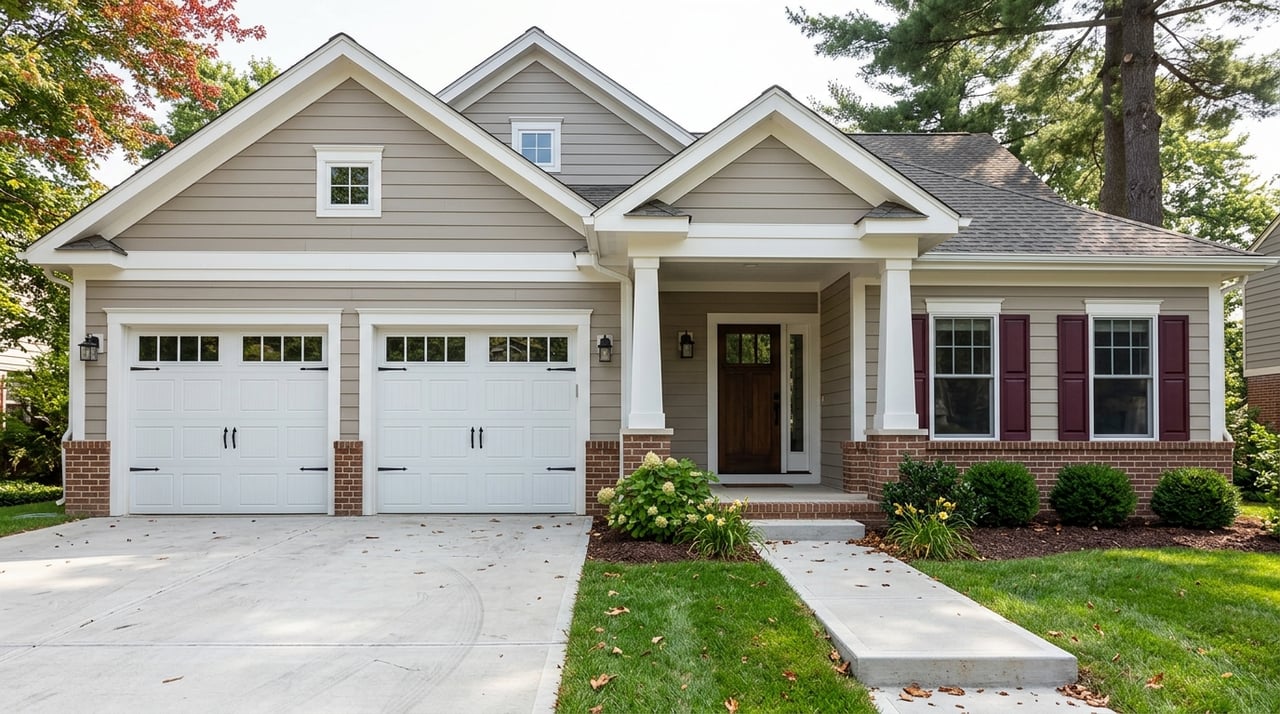
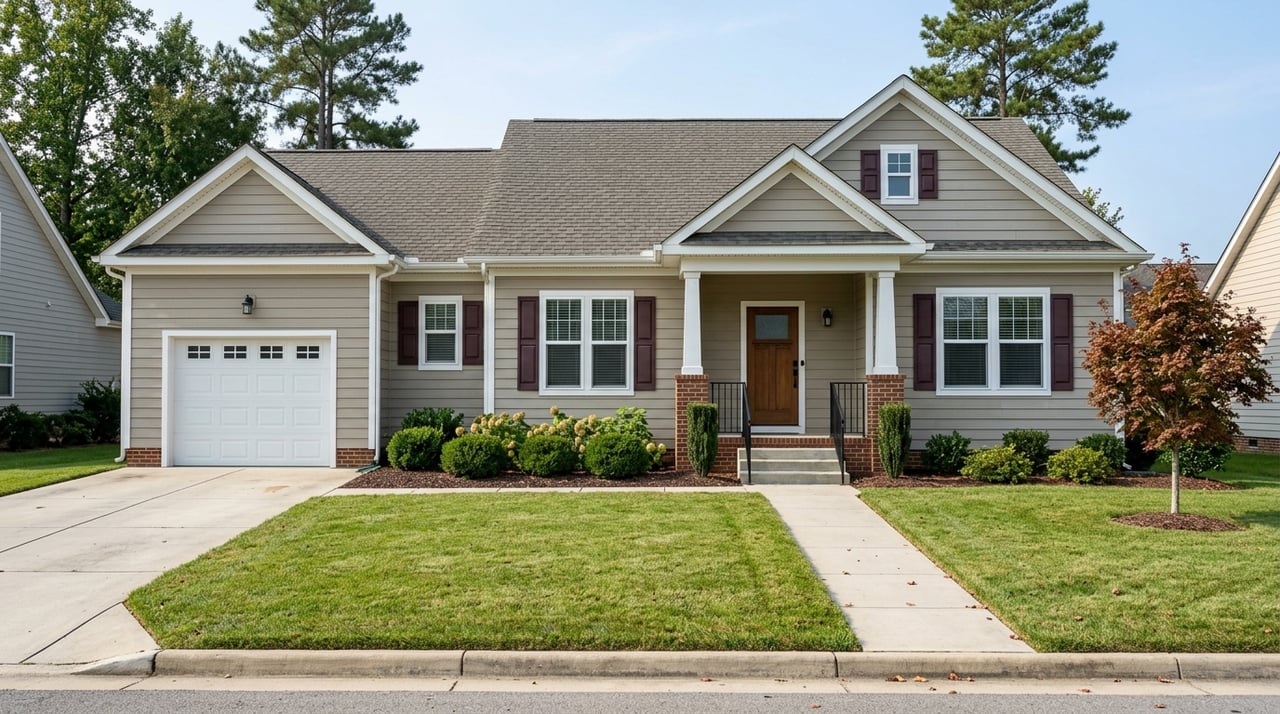
If you like classic single-story layouts, start near Lebanon’s older city core and established service corridors. Many homes built in the 1950s through the 1970s are ranch or ranch‑style, often with low profiles and efficient footprints. You will see a lot of 1,000 to 1,600 square feet, usually with basements that are common in Ohio. Expect some original finishes alongside updates, with attached single‑car or two‑car garages typical for the era.
Established suburbs on the edge
Look to subdivisions developed in the 1970s through the 1990s on the near outskirts of town. These neighborhoods often include a mix of two‑story homes and single‑level ranch plans. Some will have slightly larger lots than mid‑century streets, and you may find ranch variants with more modern kitchens or primary suites. This is a good area to target if you want single‑level living without being too far from daily amenities.
Semi‑rural fringe and small acreage
If you want more elbow room, drive the semi‑rural edges outside the city limits. You will occasionally find ranch homes on 0.5 to 2 or more acres, sometimes with outbuildings. These properties trade walkability for privacy and space, so bring a keen eye for driveway slopes, yard maintenance, and septic or well considerations where applicable. Larger lots can be great for gardening or pets if you prefer less density.
55+ and patio home options nearby
The broader Warren County and Cincinnati suburban market includes age‑targeted and low‑maintenance communities that feature ranch and “patio home” plans. Some may sit just outside Lebanon but still offer a short drive to downtown and essential services. If you want newer construction with maintenance‑light living, this is a strong segment to include in your search.
What Lebanon ranches usually offer
- Single‑level floor plans with main living spaces on one level.
- Basements are common, with full or partial configurations.
- Attached single‑car or two‑car garages.
- Exteriors typically include brick veneer, vinyl or aluminum siding, and asphalt roofs.
- Gentle lot grades overall, though driveway slopes vary. Always check for steps at entries and garage thresholds.
Price and lot size guide
Ranch homes in Lebanon price across a wide range, and values vary with condition, updates, lot size, and proximity to amenities. Use these general bands as a framework while you confirm specifics with recent comps.
- Older, smaller ranches with limited updates usually land in the entry to lower‑mid range for the city. These homes may need interior, mechanical, or accessibility upgrades.
- Updated ranches or larger single‑level homes with garages typically fall into the mid‑market range.
- Newer or high‑end single‑story builds, custom ranches, or homes on larger lots often price in the higher bracket.
Lot sizes follow predictable patterns:
- Subdivision lots: roughly 0.15 to 0.35 acre.
- Older post‑war streets: often 0.25 to 0.5 acre.
- Semi‑rural parcels: 0.5 to 2 or more acres.
How to confirm values now
To get accurate pricing and land details today, use:
- The local MLS for active, pending, and sold comps on single‑level homes in the past 6 to 12 months.
- Warren County Auditor or Assessor records for lot area, tax history, and year built.
- County GIS or parcel viewers for visual lot lines, roof shapes, and possible grading clues.
Search strategies that work
Use precise filters and keywords
When you set up your search or ask your agent to build one, include filters such as “single story,” “ranch,” “patio home,” and year built ranges like 1950–1979. Add features like “first floor laundry,” “main floor primary,” and specific lot sizes or acreage. Saved search keywords like “no steps,” “single level,” “main level living,” and “age 55+” can surface hard‑to‑find listings.
Verify with maps and imagery
Before you drive across town, use satellite imagery and parcel maps to spot single‑level rooflines and understand lot shape. Click through listing photos and video tours to check entry steps, porch height, and garage access. Prioritize homes within a comfortable drive to downtown Lebanon, healthcare, and groceries based on your routine.
Ask for a ranch‑focused tour
Ask your agent to run a CMA that targets single‑story homes only and to set up alerts using the filters above. A neighborhood‑oriented drive that shows you clusters of ranch homes can help you compare lot sizes, driveway slopes, and general upkeep patterns. This approach saves time and helps you refine your must‑haves before a competitive listing hits the market.
Aging‑in‑place checklist for tours
Bring this list to showings if you want a home that remains comfortable for years.
Exterior and approach
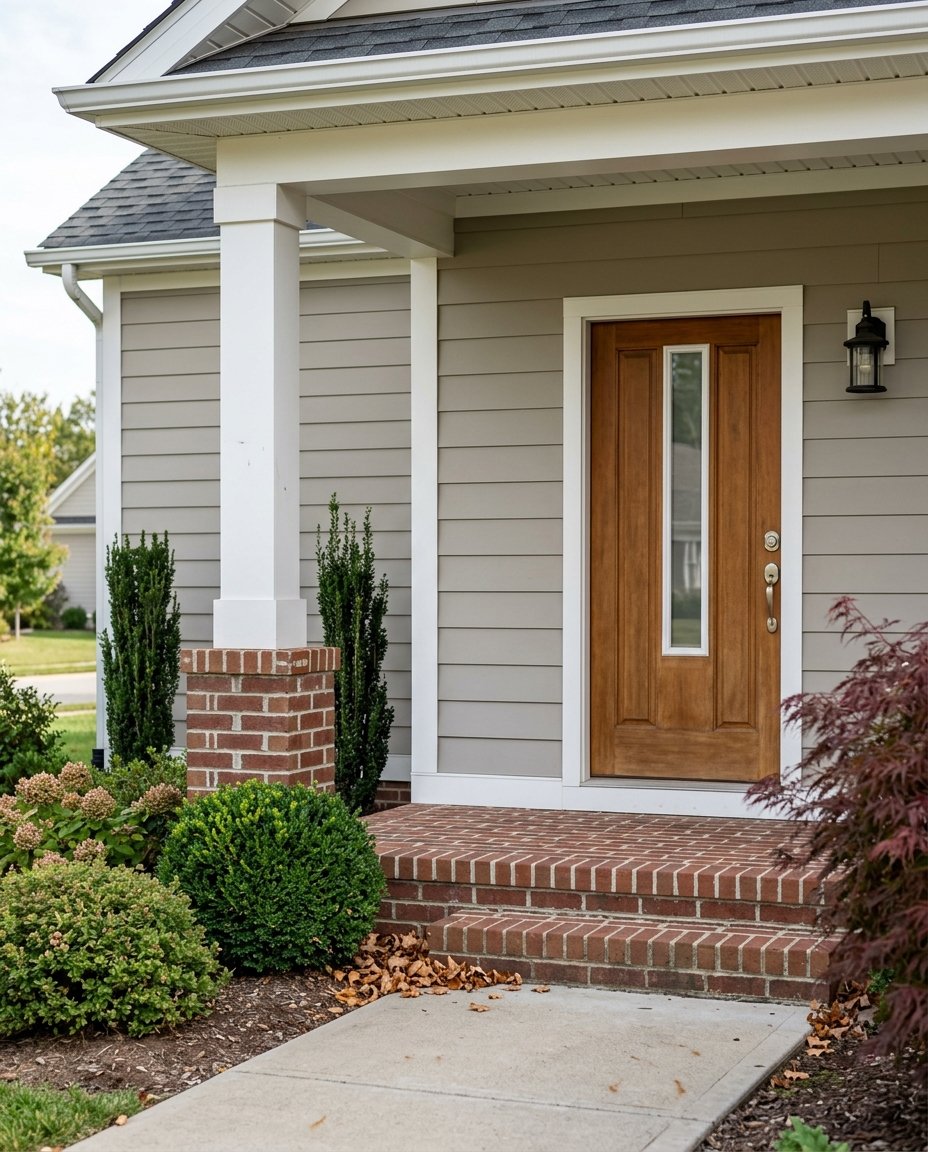
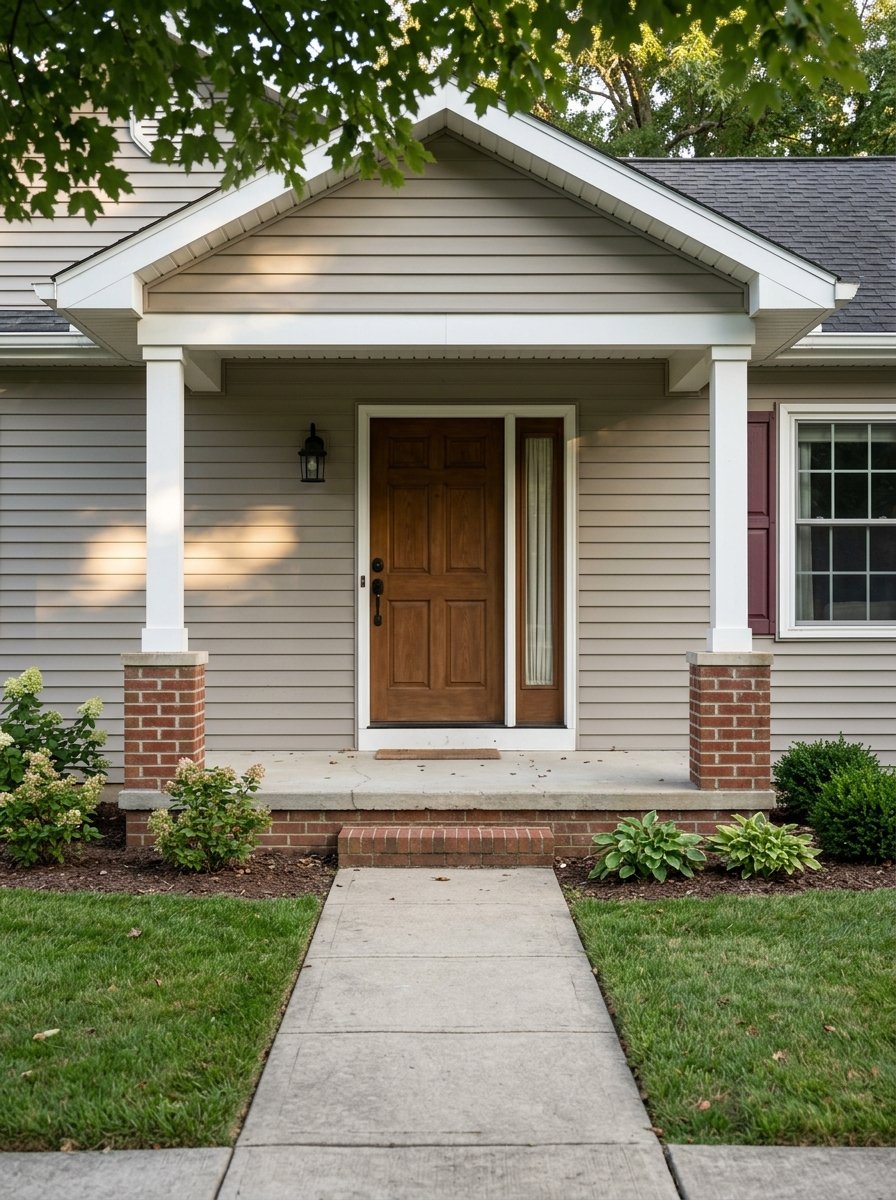
- Count steps from driveway or street to the front door. Zero steps is ideal, but room to add a ramp is a good backup.
- Evaluate driveway slope and garage thresholds. Steep grades can create daily friction.
- Review siding, roof age, gutters, and yard maintenance needs. Maintenance‑light landscaping or HOA coverage can help.
Interior circulation and layout
- Confirm a main‑floor primary bedroom or suite to avoid future stair use.
- Check door widths and hallways. Aim for doorways at 32 inches or wider and halls at 36 inches for mobility aids.
- Look for level floor transitions. Raised thresholds can be adapted, but shallower is better.
- Note basement access, stairs, and whether HVAC and laundry are on the main level.
Bathrooms and kitchen
- Ensure there is space to add grab bars and that bathroom clearances work for mobility. A 60‑inch turning diameter in at least one bathroom is ideal.
- Consider tub‑to‑shower conversions. Look at plumbing access and floor structure.
- Review kitchen layout for easy circulation and proximity to the main living area.
Systems and structure
- Ask about the age and remaining life of the furnace, AC, water heater, and electrical panel.
- Older electrical systems may need upgrades for modern appliances or medical equipment.
- Inspect basements for water, radon, and structural concerns. Plan for waterproofing if needed.
Safety and visibility
- Look for good lighting, slip‑resistant flooring, and clear sight lines.
- Confirm you can move from garage to kitchen or living areas without exterior detours.
Common retrofits and typical costs
Here are general planning ranges to help you budget. Always get local contractor quotes before committing.
Low‑cost, high‑impact
- Install grab bars and add blocking as needed. Typically low thousands or less.
- Add threshold ramps or lower thresholds. Often modest in cost.
- Improve lighting, swap to lever handles, and treat floors for traction.
Moderate investments
- Convert a tub to a walk‑in or curbless shower. Many projects fall in the 5,000 to 20,000 dollar range depending on scope.
- Widen doors to 32–36 inches. Costs vary from several hundred to a few thousand per opening.
- Add an exterior ramp or small porch lift. Roughly 1,000 to 10,000 dollars depending on length and materials.
- Install main‑level laundry if needed. Plumbing and layout drive the price.
Higher‑cost projects
- Install a home elevator or through‑floor lift in multi‑level homes. Costs vary widely.
- Complete accessibility remodels, like a full ADA‑oriented bathroom.
- Create a main‑level primary suite with structural changes.
Cost planning tips
- Get multiple bids. Finish level and structural complexity move the needle.
- Ask about local programs or grants that support home modifications for seniors.
Next steps for buyers
- Ask your agent to set up an MLS search for single‑story homes with “main floor primary,” specific lot sizes, and your preferred year‑built ranges.
- Pull 6 to 12 months of sold comps for ranch homes in Lebanon and nearby townships to fine‑tune realistic price targets.
- Schedule targeted neighborhood drives to verify exterior slopes, step counts, and HOA or maintenance patterns before you fall in love with a listing.
- Include an inspection contingency and secure preliminary contractor estimates for any planned accessibility work before you finalize an offer.
You deserve a home that fits your lifestyle today and tomorrow. If you want a guided search tailored to ranch options across Lebanon and Warren County, with practical advice on renovations and aging‑in‑place upgrades, connect with the family‑led professionals at The Ernst Team. Our senior‑market specialization and design‑and‑construction know‑how make the process simpler, clearer, and far less stressful.
FAQs
What types of ranch homes are common in Lebanon, Ohio?
- You will see many mid‑century ranches from the 1950s to 1970s near the city core, single‑level plans in 1970s–1990s subdivisions on the outskirts, and some newer patio‑home or age‑targeted options in the broader Warren County market.
How big are lots for Lebanon ranch houses?
- Typical subdivision lots run about 0.15 to 0.35 acre, older post‑war areas often have 0.25 to 0.5 acre, and semi‑rural parcels can offer 0.5 to 2 or more acres.
What price range should I expect for a ranch in Lebanon?
- Older, smaller ranches tend to land in the entry to lower‑mid range; updated or larger single‑levels are mid‑market; newer or acreage ranches typically price higher. Verify with recent local comps.
How can I quickly spot ranch listings online?
- Use filters like “single story,” “ranch,” “patio home,” “first floor laundry,” and “main floor primary,” plus keywords such as “no steps” or “single level.” Add year‑built ranges like 1950–1979.
What should 55+ buyers look for during showings?
- Focus on step‑free entries, manageable driveway slopes, main‑level primary suites, wider doors and halls, level floor transitions, safe bathrooms, and the age of mechanical systems.
What are typical costs to make a ranch more accessible?
- Low‑cost updates include grab bars and lighting; moderate projects like door widening and shower conversions often range from a few thousand to about 20,000 dollars; larger remodels vary widely and require local quotes.